

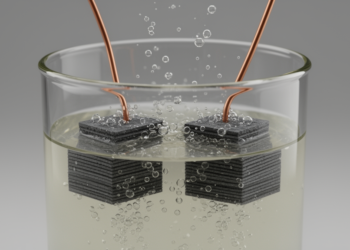
Layered MXene-Palladium Electrodes Split Methanol to Make Hydrogen Cheaply
Researchers built layer-by-layer MXene-palladium multilayer electrodes that oxidize methanol instead of water at the anode, producing hydrogen in a full ...
Researchers built layer-by-layer MXene-palladium multilayer electrodes that oxidize methanol instead of water at the anode, producing hydrogen in a full ...
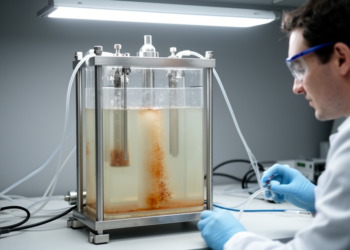
University of Oregon chemists have identified dissolved iron impurities as the controlling factor in the degradation of alkaline water electrolyzers ...
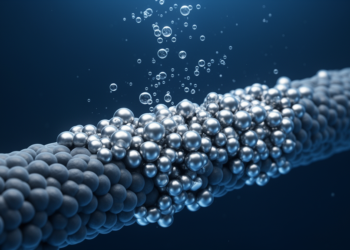
A nickel–cobalt alloy catalyst anchored on nitrogen-doped carbon nanotubes achieved low overpotentials for both water-splitting half-reactions and ran stably in ...
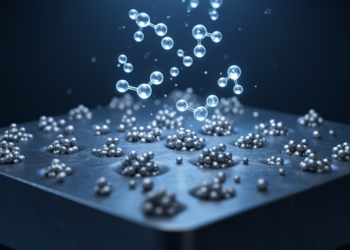
A platinum catalyst on nitrogen-doped carbon with isolated iron sites resists oxidation and nitrogen poisoning, sustaining electrochemical ammonia cracking for ...
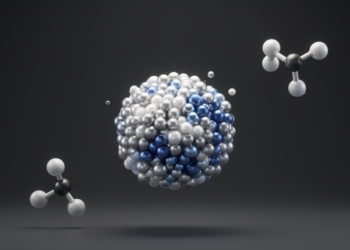
A seed-confined alloying strategy produced WBi–Pt@B/C nanoparticles that delivered a mass activity of 13.41 A per mg Pt in methanol ...
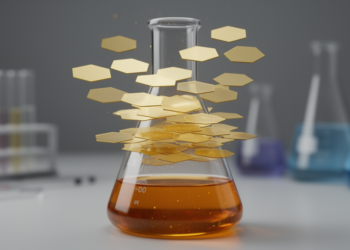
Researchers achieved an 82.5 percent exfoliation yield for zirconium disulfide nanosheets using aqueous ionic liquids, enhancing their electrocatalytic activity for ...
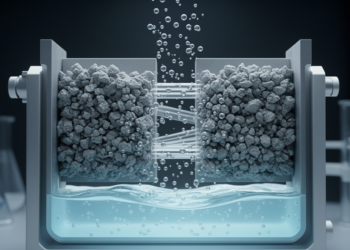
A review outlines how integrated capture-conversion systems, impurity-tolerant catalysts, and electrolyzer engineering can make electrochemical CO2 reduction work with dilute ...
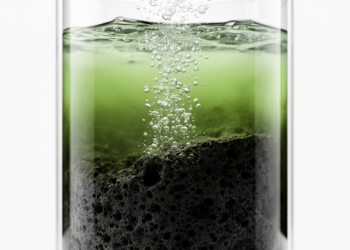
A spatially decoupled electrocatalyst that generates its own oxygen achieved 98% antibiotic removal and cut wastewater treatment costs by 95 ...
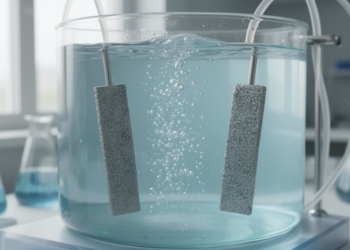
Researchers at the University of Sharjah report a low-cost nickel hydroxide, cerium oxide and phosphate catalyst that ran for about ...
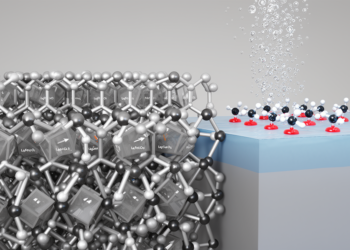
A laboratory study of La₂FeCuO₆ found a distorted monoclinic double-perovskite structure, a 3.45 eV band gap, ferrimagnetic-like behavior and moderate, ...


Embark on a thrilling journey of discovery with Scienmag.com—your ultimate source for cutting-edge breakthroughs. Immerse yourself in a world where curiosity knows no limits and tomorrow’s possibilities become today’s reality!