

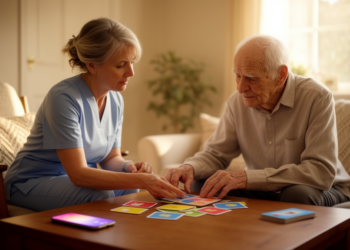
Positive-Activity App Shows Promise for Easing the Mental Toll of Dementia Caregiving
A 14-day University of Michigan study found that dementia caregivers used the Roadmap positive-activity app on 87 percent of days, ...
A 14-day University of Michigan study found that dementia caregivers used the Roadmap positive-activity app on 87 percent of days, ...

A $3.82 million UT Arlington project combines smartphone surveys, wearable sensors and lab testing to measure everyday stress in real ...
A 14-day smartphone study of 106 adults found only limited evidence that people assign specific friends to specific emotional regulation ...
A 14-day study of Chinese college students using objective screen-time data shows boredom directly boosts smartphone use, especially short-video viewing ...
A new longitudinal study shows that a brief, meaning-centered coping program embedded in English language classrooms significantly reduced anxiety and ...
A two-cohort smartphone study shows that real-world exposure to alcohol-related cues reproducibly raises the odds of momentary drinking in alcohol ...
A smartphone-based real-time survey method proved feasible for tracking physical activity and sitting in shift workers, with strong retention but ...
A new letter in the Journal of Eating Disorders argues that research on social media and body image must move ...
A wearable-sensor study at a German university hospital shows that demanding patient care, not paperwork or call bells, produces the ...
A new simulation study shows that participants whose scores never change can systematically bias autoregressive and cross-lagged estimates in intensive ...

Embark on a thrilling journey of discovery with Scienmag.com—your ultimate source for cutting-edge breakthroughs. Immerse yourself in a world where curiosity knows no limits and tomorrow’s possibilities become today’s reality!