


Manganese Chromium Layered Double Hydroxide Degrades Rhodamine B In Fenton Like System
A mixed-valence manganese-chromium layered double hydroxide catalyst achieved 98.3 percent degradation of Rhodamine B under mild Fenton-like conditions.
A mixed-valence manganese-chromium layered double hydroxide catalyst achieved 98.3 percent degradation of Rhodamine B under mild Fenton-like conditions.

Electrospun polyvinylidene fluoride composite films containing twelve percent NBT-6BT-2Zn achieved ninety-six percent degradation of methylene blue dye through pyrocatalysis.

Scientists engineered a ZIF-67-templated NiCo2O4/ZIF-8 nanocomposite that degraded 96.7 percent of resistant Reactive Blue-222 dye within 120 minutes under natural ...

A comprehensive review reveals that plant-derived metabolites resolve the long-standing precision-toxicity trade-off in metal oxide nanoparticle fabrication.

Engineered laccase enzymes and functional carrier materials can efficiently degrade stubborn textile dyes, but most evidence still comes from laboratory-scale ...

A triple-layered ZnO-SiO2@Ag nanohybrid achieved almost 98 percent degradation of methylene blue and 97 percent of malachite green under UV ...

A magnetically recoverable carbon nitride–iron oxide photocatalyst removed 91.25 percent of rhodamine B under visible light at near-neutral pH, with ...

A systematic review in Applied Water Science surveys metal oxide semiconductor photocatalysts for degrading synthetic dyes in wastewater, highlighting laboratory ...
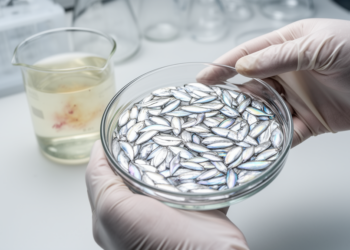
Fish scales treated with silver nitrate formed silver nanoparticles and silver phosphate crystals that degraded about 55 percent of methylene ...
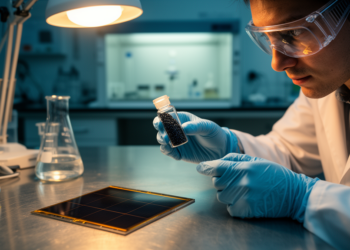
A comprehensive review in Discover Nano examines how perovskite materials could serve sustainable technologies while warning that lead content, leaching ...


Embark on a thrilling journey of discovery with Scienmag.com—your ultimate source for cutting-edge breakthroughs. Immerse yourself in a world where curiosity knows no limits and tomorrow’s possibilities become today’s reality!