


Realistic Backgrounds Heighten Uncanny Reactions to Virtual Influencers
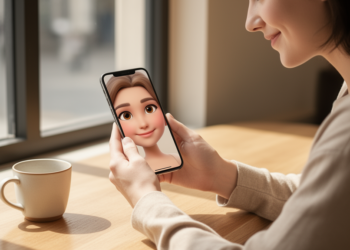
A study reveals that placing virtual influencers in realistic backgrounds increases consumer uncanniness through perceived visual inconsistency when viewers recognize ...
A study reveals that placing virtual influencers in realistic backgrounds increases consumer uncanniness through perceived visual inconsistency when viewers recognize ...

The study, conducted by Salah ElDin Olaymi, investigated the application of data mining tools within cloud environments, focusing on customer ...

A bibliometric analysis of 2,174 works reveals that parasocial research has split into media-psychology and influencer-marketing communities, with growing overlap ...

A mapping study of 1,976 Scopus documents reveals significant growth in social media communication research driven by the COVID-19 pandemic ...

An interpretable logistic regression study of 8000 customer records finds that campaign intent and engagement signals, not channel selection or ...

A new narrative review traces brand adaptation from ancient potter's marks and medieval guild insignia to digital glocalization, arguing that ...
A cross-sectional survey of chatbot users in Tbilisi linked stated use intention with trust, responsive interaction and anthropomorphic design, but ...

A survey of 141 tourism marketing employees in the West Bank shows that social media, SEO, and content marketing are ...

A new theoretical framework identifies seven Dark AI Patterns through which generative AI quietly erodes informed consent in digital marketing, ...

A systematic review of 54 studies finds that neuromarketing tools reliably capture player attention and engagement, but evidence that they ...


Embark on a thrilling journey of discovery with Scienmag.com—your ultimate source for cutting-edge breakthroughs. Immerse yourself in a world where curiosity knows no limits and tomorrow’s possibilities become today’s reality!