

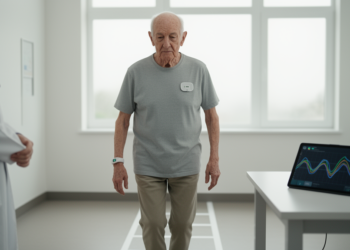
Wearable Sensors and AI Are Rewriting How Parkinson’s Disease Is Measured, Landmark Study Finds
A bibliometric analysis of 3,332 publications shows wearable sensor research in Parkinson's disease has grown exponentially since 2019, shifting from ...
A bibliometric analysis of 3,332 publications shows wearable sensor research in Parkinson's disease has grown exponentially since 2019, shifting from ...
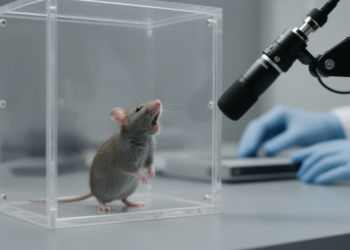
A cerebellum-specific dystonia mouse model shows reduced, simpler, and acoustically weakened ultrasonic vocalizations, establishing a preclinical platform for studying vocal ...
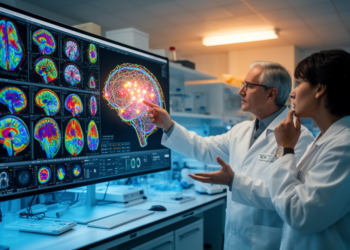
Researchers behind a deep brain stimulation prediction algorithm respond to an external validation study, defending their methods and laying out ...
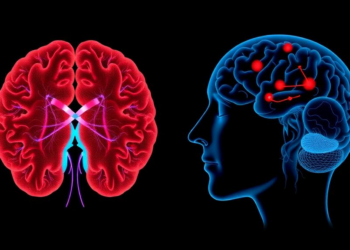
A new review synthesizes evidence that the cerebellum drives both motor and non-motor symptoms in dystonia, positioning it as a ...
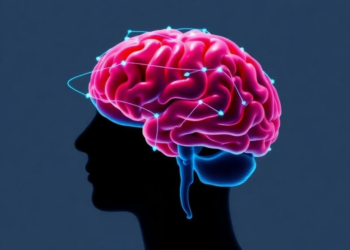
A new review in Translational Psychiatry maps the emerging landscape of rapid-acting drugs and brain stimulation for treatment-resistant OCD, linking ...
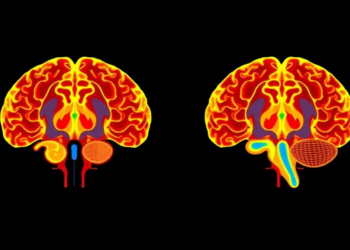
Deep brain stimulation has become one of the most reliable surgical therapies for severe Essential Tremor, yet the way it ...
A long-term University of Florida study of 19 patients shows that pallidal deep brain stimulation delivers durable and potentially progressive ...

Nine European Parkinson's specialists have issued consensus recommendations for using the newly approved dual-release levodopa formulation IPX203 in patients with ...
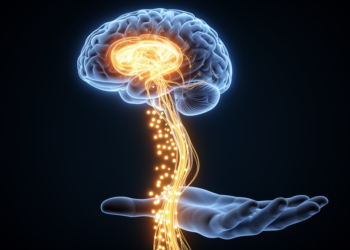
High-density EMG recordings show that people with Parkinson's disease can generate normal neural drive to muscle but issue underscaled, fragmented ...
A new translational study shows that non-invasive temporal interference stimulation targeted at a deep thalamic arousal nucleus promotes wakefulness in ...


Embark on a thrilling journey of discovery with Scienmag.com—your ultimate source for cutting-edge breakthroughs. Immerse yourself in a world where curiosity knows no limits and tomorrow’s possibilities become today’s reality!