

Concrete’s Weakest Zone Becomes Its Strongest in Ultra-Low-Cement Mixes
A new study shows that concrete made with up to 80 percent less cement develops a denser, stronger interfacial transition ...
A new study shows that concrete made with up to 80 percent less cement develops a denser, stronger interfacial transition ...
New experiments show that rockwool, though non-combustible, can lose over 90 percent of its mechanical strength after high-temperature exposure, while ...
Researchers have developed an automated hidden Markov model method that objectively measures the weak interfacial zone in coal gangue lightweight ...
A new Polymer Bulletin study used Box–Behnken design optimization to identify the precise synthesis conditions for polycarboxylate ether superplasticizers that ...
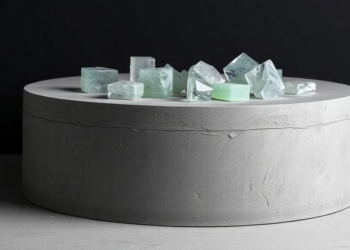
A systematic review of 139 studies shows that expanded perlite and bio-based residues can produce lightweight, low-carbon cementitious materials that ...
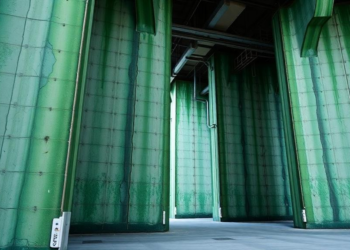
Researchers trained six machine learning models on 2,048 laboratory records and found gradient boosting predicts the compressive strength of cement-free ...
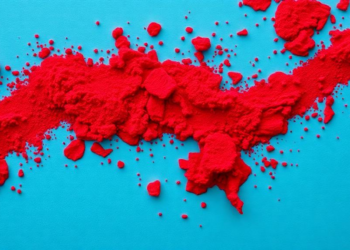
A new study shows iron oxide red pigment can strengthen colored mortar by up to 16 percent while delivering stable, ...
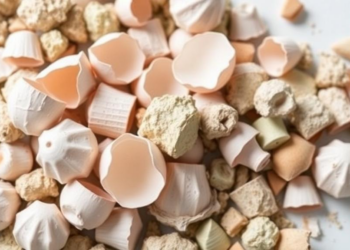
Researchers have optimized an alkali-activated mortar made from ceramic sanitary ware and eggshell waste that achieves over 80 MPa strength, ...
A hybrid steel and carbon fiber concrete achieves high strength, dramatically reduced resistivity, and reliable piezoresistive self-sensing under load.
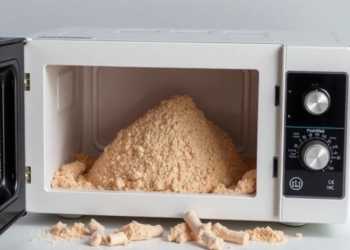
Researchers stabilized weak kaolinitic clay with recycled ceramic waste powder and microwave curing, achieving a 60-fold strength increase in just ...


Embark on a thrilling journey of discovery with Scienmag.com—your ultimate source for cutting-edge breakthroughs. Immerse yourself in a world where curiosity knows no limits and tomorrow’s possibilities become today’s reality!