

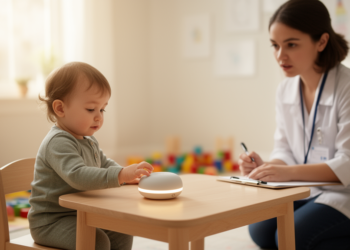
Toddlers, Trust and Talking Machines: A One-Child Pilot Tests When Kids Defer to AI
A single-child feasibility pilot found a three-year-old chose an AI-framed robot informant in three of four trials, but fatigue and ...
A single-child feasibility pilot found a three-year-old chose an AI-framed robot informant in three of four trials, but fatigue and ...

A new review argues that AI agents can simulate cognitive empathy but cannot achieve authentic empathy, highlighting biological, cultural and ...
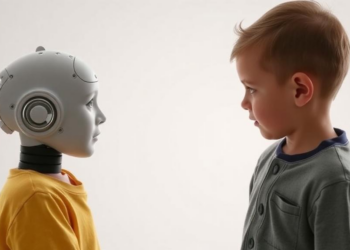
A qualitative study of six interdisciplinary experts suggests AI's simulated interactivity, autonomy and adaptability may reduce the developmental frictions through ...
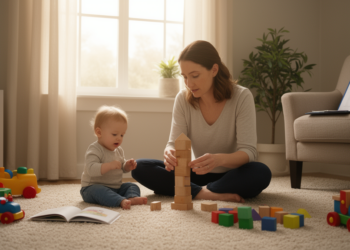
Researchers at the University of Missouri have reported early results from a feasibility study that followed children whose mothers experienced ...

Prenatal night shift work is linked to a higher risk of developmental screening abnormalities in children at age 4, with ...

A Shanghai birth cohort study found that maternal depressive symptoms in the perinatal period were associated with children's emotional problems ...
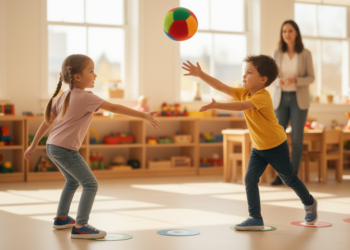
A 12-week structured physical game program was associated with greater improvements in memory and attention among kindergarten children aged 5 ...
An integrative review of 21 studies links ARFID in children to distinct neurological and hormonal profiles, genetic and epigenetic factors, ...

A theoretical framework proposes that abundant material and developmental care can coexist with limited emotional attunement, but the construct remains ...
A qualitative study of 17 parents found parent-reported benefits from sensory integration therapy alongside barriers involving diagnosis, referral, access and ...


Embark on a thrilling journey of discovery with Scienmag.com—your ultimate source for cutting-edge breakthroughs. Immerse yourself in a world where curiosity knows no limits and tomorrow’s possibilities become today’s reality!