


AEBP1 Inhibition Promotes Cardiac Reverse Remodeling and Suppresses Myocardial Fibrosis
Inhibition of AEBP1 promotes structural reverse remodeling and reduces myocardial fibrosis by regulating MRTFB and RUNX2 signaling pathways.
Inhibition of AEBP1 promotes structural reverse remodeling and reduces myocardial fibrosis by regulating MRTFB and RUNX2 signaling pathways.

A systematic review indicates that SGLT2 inhibitors reduce left ventricular mass and improve diastolic filling pressures in early preclinical heart ...

A Mendelian randomization study links higher circulating α-Klotho levels to modestly increased left ventricular trabecular fractal dimension in a mid-myocardial ...

Researchers designed hybrid nanoparticles combining reprogrammed macrophage nanovesicles and lipid carriers to direct therapeutic siRNA into damaged cardiac tissue while ...

A multi-omics study in mice shows that the four-herb Qi-Blood Harmony Formula protects the post-infarction heart by restoring energy metabolism ...

A retrospective cohort study found that pre-transplant left atrial reservoir and conduit strain parameters independently associate with major adverse cardiovascular ...

A preclinical study reveals that oral full-spectrum cannabis oil prevents early heart injury, oxidative stress, and fibrotic remodeling in rats ...
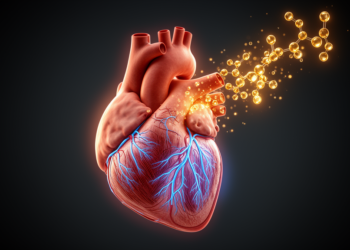
In a mouse model of myocardial ischemia–reperfusion injury, daily oral caffeic acid improved cardiac function and reduced fibrosis, effects linked ...
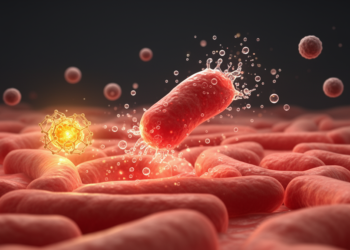
A new study links the ER chaperone HSP90B1 to cardiomyocyte pyroptosis, NF-κB/NLRP3 signaling, and M1-like macrophage polarization after myocardial infarction.
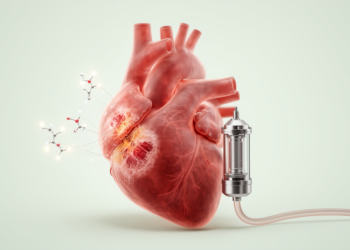
A paired tissue study of 11 patients finds that microRNA patterns tied to apoptosis and fibrosis remain largely unchanged after ...


Embark on a thrilling journey of discovery with Scienmag.com—your ultimate source for cutting-edge breakthroughs. Immerse yourself in a world where curiosity knows no limits and tomorrow’s possibilities become today’s reality!