

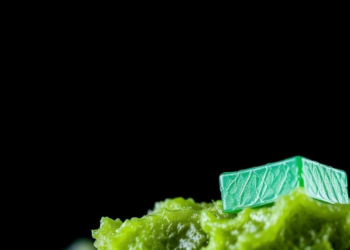
Seaweed Gel Turned Into Sponge-Like Carbon Powers Supercapacitors for 50,000 Cycles
Researchers converted agar-agar into a nitrogen-doped carbon aerogel with ultrahigh surface area that powers a 1.3-volt aqueous supercapacitor retaining 87 ...
Researchers converted agar-agar into a nitrogen-doped carbon aerogel with ultrahigh surface area that powers a 1.3-volt aqueous supercapacitor retaining 87 ...
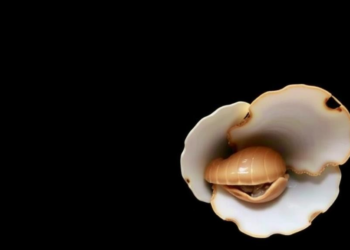
Researchers in India have converted discarded clam shells into a porous activated carbon supporting cerium-doped lanthanum cobaltite, creating a composite ...
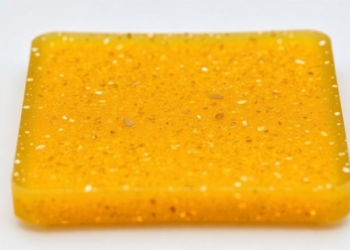
Researchers in India have built a platinum-free counter electrode for dye-sensitized solar cells by anchoring nickel ferrite nanoparticles to porous ...
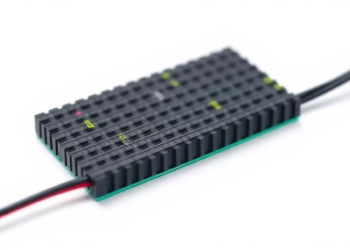
Researchers at Lingnan Normal University have anchored rhenium disulfide nanoparticles on nitrogen-doped carbon nanosheets derived from folic acid, achieving a ...
Researchers converted cotton-wick soot from burning sesame oil into a high-performance supercapacitor electrode using a five-minute, low-temperature microwave activation that ...
Researchers blended coconut-shell-derived activated carbon with CuCo2O4 spinel oxide to create a supercapacitor electrode delivering 643.75 F g−1 and 90% ...
A new review details how agricultural waste, food scraps, and other biomass can be converted into high-performance porous carbon electrodes ...
A carbonized balsa wood sponge infused with silica aerogel achieves record-level broadband microwave absorption along with thermal insulation and elastic ...
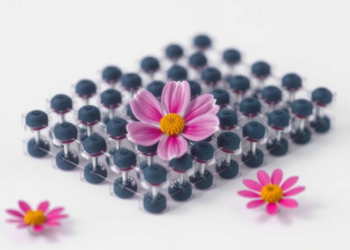
Scientists converted Bauhinia variegata flowers into manganese-doped activated carbon that boosts supercapacitor capacitance and nearly doubles dye-sensitized solar cell efficiency.


Embark on a thrilling journey of discovery with Scienmag.com—your ultimate source for cutting-edge breakthroughs. Immerse yourself in a world where curiosity knows no limits and tomorrow’s possibilities become today’s reality!