

Epigenetic Clocks Need a Reality Check Before Anti-Aging Claims
A new Aging Cell study shows that single-clock reports of biological age reversal often fail when tested against multiple epigenetic ...
A new Aging Cell study shows that single-clock reports of biological age reversal often fail when tested against multiple epigenetic ...
A new review in Biogerontology lays out a five-part framework for interpreting AI-derived ocular age estimates, warning that a cross-sectional ...

A new data-driven dietary index built around epigenetic aging clocks is associated with nearly four years slower biological aging, lower ...

A new 600-person Texas cohort study is combining whole-body MRI, vascular testing, cognitive and physical assessments, and wearable monitoring to ...
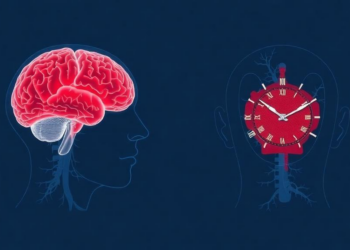
A 16-year Scottish cohort study finds that while proteomic organ clocks predict mortality, epigenetic, brain imaging, cognitive and lung function ...

A UK Biobank study of 435,078 people uses causal inference and multi-omics to map sex-specific inflammatory and lipid pathways that ...
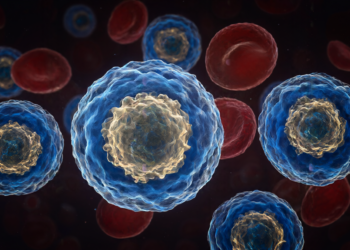
Analysis of 3.8 million immune cells reveals that immune aging occurs in distinct nonlinear waves around ages 40 and 60, ...
A large Italian study found that people with clinically stable multiple sclerosis are significantly more likely to show a neurofilament ...
A large new study shows that blood cell composition, especially the balance of naive and memory T cells and neutrophil ...

New organ-specific proteomic aging clocks reveal that alcohol's seemingly protective effects in some organs likely reflect methodological differences and socioeconomic ...


Embark on a thrilling journey of discovery with Scienmag.com—your ultimate source for cutting-edge breakthroughs. Immerse yourself in a world where curiosity knows no limits and tomorrow’s possibilities become today’s reality!