


Restaurant Brand Cognition Linked to Trust and Intention
A study of 510 restaurant consumers finds that cognitive brand equity is associated with omnichannel experience and trust, which in ...
A study of 510 restaurant consumers finds that cognitive brand equity is associated with omnichannel experience and trust, which in ...

A survey of 405 design graduate students shows self-efficacy, perceived usefulness and task–technology fit jointly drive intention to use AI ...

A survey of 170 hotel employees in Jaipur found that performance expectancy was the strongest predictor of robotic process automation ...

A survey of 310 marketing students in Peru and Costa Rica found that habit, rather than perceived usefulness or ease ...

A survey of 301 Chinese university students found that perceived ease of use, not perceived usefulness, was the strongest predictor ...

A survey of 399 young tourists in Bangladesh found that facilitating conditions such as reliable connectivity and device compatibility were ...
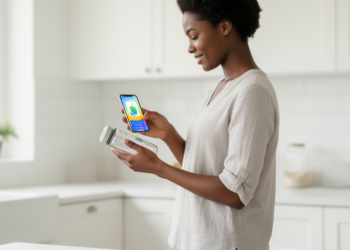
A study of 772 Iranian consumers found that explicit sustainability framing and visible like-count cues both increase behavioral intentions to ...

A questionnaire study of 338 designers combining PLS-SEM and fsQCA finds that task–technology fit, hedonic motivation, price value, and habit ...

A preliminary German survey of 159 adults found that hearing-aid stigma and expectations of benefit and effort were strongly associated ...
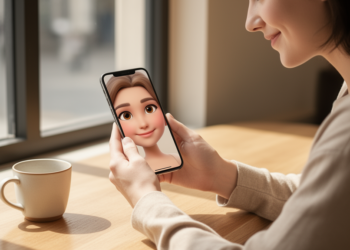
A cross-sectional survey of chatbot users in Tbilisi linked stated use intention with trust, responsive interaction and anthropomorphic design, but ...


Embark on a thrilling journey of discovery with Scienmag.com—your ultimate source for cutting-edge breakthroughs. Immerse yourself in a world where curiosity knows no limits and tomorrow’s possibilities become today’s reality!