


Bacteria Turn Bumps Into Signals to Escape Crowds and Conquer Mazes
EPFL researchers have discovered that Pseudomonas aeruginosa senses collisions with neighboring cells and reverses direction, allowing bacterial populations to stay ...
EPFL researchers have discovered that Pseudomonas aeruginosa senses collisions with neighboring cells and reverses direction, allowing bacterial populations to stay ...
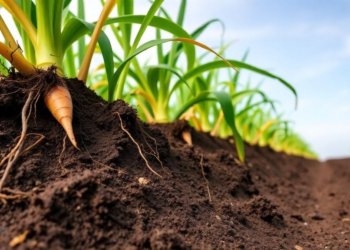
A comprehensive scoping review of 42 studies reveals that sugarcane soil microbial communities respond to farming practices in ways that ...
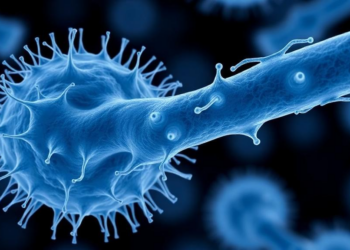
Researchers have developed a universal chemical technique that attaches fluorophores, enzymes, and DNA to the surfaces of diverse living bacteria ...
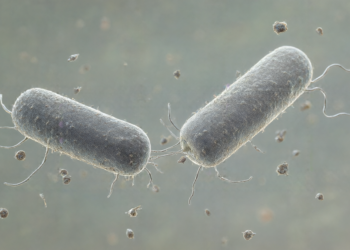
ISTA researchers discover that E. coli uses bacteriophages and CRISPR-Cas immunity to facilitate sex-like DNA exchange during starvation, accelerating genetic ...
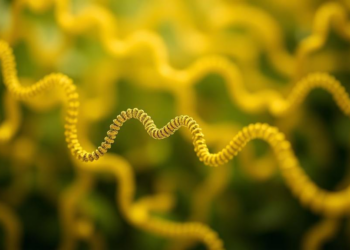
A landmark benchmark of four open-source genome annotation tools across 156,033 prokaryotic genomes shows that Bakta excels on high-quality bacterial ...
The first microbiome survey of Papua New Guinea's mangroves reveals a shared core of 31 bacterial and fungal taxa whose ...
A comparative analysis of 237 bacterial genomes shows that the urease system is architecturally conserved yet evolutionarily flexible, with evidence ...
A new review argues that expelled food vacuoles from protozoa package and protect dangerous bacteria, boosting their survival, infectivity and ...

A machine-learning framework called symclatron uses genome content to predict which uncultivated bacteria and archaea live in close association with ...

In the relentless battle between plants and the myriad pathogens that threaten global agriculture, scientists have long sought innovative ways ...


Embark on a thrilling journey of discovery with Scienmag.com—your ultimate source for cutting-edge breakthroughs. Immerse yourself in a world where curiosity knows no limits and tomorrow’s possibilities become today’s reality!