

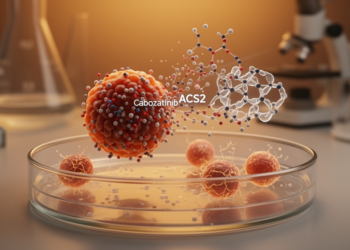
ACSS2 inhibition boosts cabozantinib activity in liver cancer models
Preclinical hepatocellular carcinoma models showed that blocking ACSS2 or autophagy enhanced cabozantinib’s antitumor activity by disrupting a TFEB-linked protective response.
Preclinical hepatocellular carcinoma models showed that blocking ACSS2 or autophagy enhanced cabozantinib’s antitumor activity by disrupting a TFEB-linked protective response.
A 2026 editorial synthesizes epidemiological, clinical and preclinical evidence highlighting candidate pharmacological targets for alcohol use disorder while emphasizing that ...
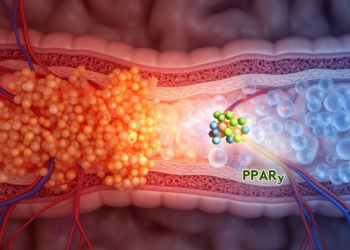
A 2026 review finds that several natural compounds alter PPARγ-related pathways in cellular and mouse models of ulcerative colitis, but ...
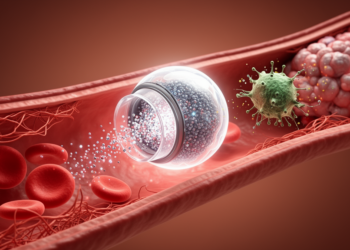
A review finds that stimulus-responsive nanoparticles can detect pathological signals in sepsis models and release antimicrobial, anti-inflammatory and immune-regulating drugs ...
Biochemical and animal studies suggest that cocoa-derived theobromine can affect monoamine oxidase, adenosine and neuronal signaling, but no clinical evidence ...
A systematic review of 13 cell and animal studies reports bone-protective effects of ellagic acid in preclinical osteoporosis models, but ...
A new mini-review of 70 lymphedema animal studies finds that the most accessible measurements capture late-stage tissue damage rather than ...
The UC Davis NAMs Testing Center offers an independent, fit-for-purpose evaluation model for organoids, microphysiological systems and computational tools as ...
A new review in Nature Reviews Urology synthesizes how animal models of diabetes, obesity, dyslipidaemia and hypertension reveal the mechanisms ...
Researchers propose a combined experimental and epidemiological framework to determine whether Oropouche virus can cause vertical transmission and adverse fetal ...


Embark on a thrilling journey of discovery with Scienmag.com—your ultimate source for cutting-edge breakthroughs. Immerse yourself in a world where curiosity knows no limits and tomorrow’s possibilities become today’s reality!