

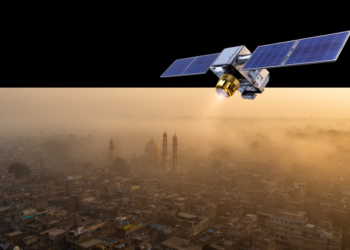
Satellites and Machine Learning Map Lahore’s Toxic Air at Unprecedented 250-Meter Detail
Researchers fused Sentinel-5P, MODIS, and Sentinel-2 data with XGBoost machine learning to produce 250-meter PM2.5 maps for Lahore, revealing strong ...
Researchers fused Sentinel-5P, MODIS, and Sentinel-2 data with XGBoost machine learning to produce 250-meter PM2.5 maps for Lahore, revealing strong ...
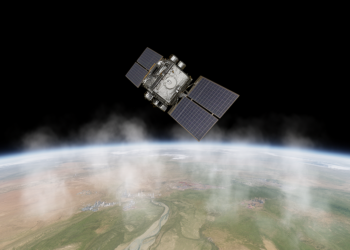
A new satellite study combining Sentinel-5P TROPOMI and NASA EMIT observations reveals rising methane concentrations across Pakistan and pinpoints oil ...
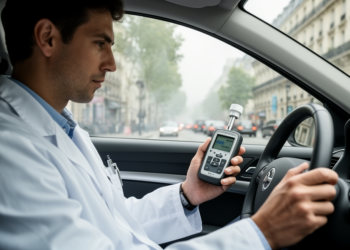
French researchers have developed an on-road method to measure how well car cabin filters remove fine particles in real Paris ...

Springtime measurements in a Helsinki street canyon show that coarse road-dust particles can inflate urban light absorption readings by up ...
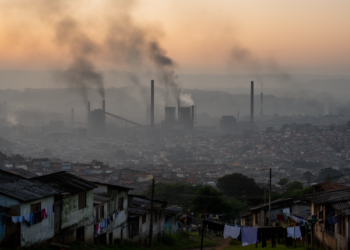
A 15-year analysis of air quality data from Volta Redonda, Brazil, shows particulate matter levels persistently exceeding WHO and national ...
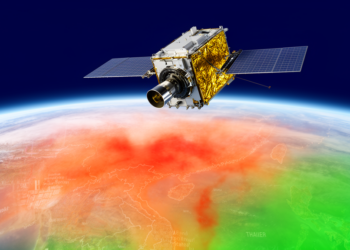
Using hourly observations from the GEMS geostationary satellite, researchers applied a mass balance inversion with WRF-Chem to update Thailand's NOx ...
A twelve-year Czech study using dispersion normalisation confirms that arsenic, cadmium, lead and nickel in ambient air have declined significantly ...
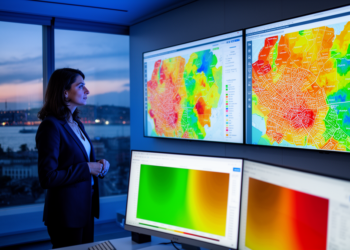
Researchers built a two-stage hybrid machine learning framework combining K-Means clustering and XGBoost that predicts Istanbul's Air Quality Index with ...

Colorado State University researchers have developed an open-source, $100 collar-mounted smoke logger that measures PM2.5 exposure in wild animals, revealing ...

A new study finds that fine particulate pollution inside Manhattan's congestion relief zone was about 13 percent lower than expected ...


Embark on a thrilling journey of discovery with Scienmag.com—your ultimate source for cutting-edge breakthroughs. Immerse yourself in a world where curiosity knows no limits and tomorrow’s possibilities become today’s reality!