

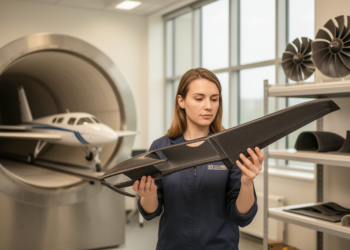
Aerospace Engineering Faces Six Grand Challenges That Will Define Flight’s Next Century
From AI-certified autonomy to scramjets and hydrogen propulsion, a new analysis maps the six technology frontiers that will decide the ...
From AI-certified autonomy to scramjets and hydrogen propulsion, a new analysis maps the six technology frontiers that will decide the ...
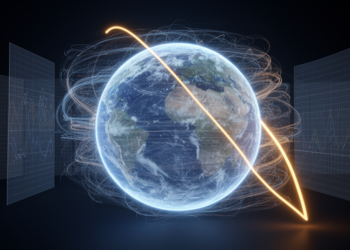
A Caltech-led team has shown that a recurrent neural operator can forecast irreversible tipping points in climate and aerodynamic models ...

CFD simulations of a station wagon fitted with synthetic jet actuators show wake control can cut drag by about 1 ...
University of Manchester chemists and aerospace engineers have developed a pressure-sensitive paint that cuts temperature-related measurement errors in wind tunnel ...
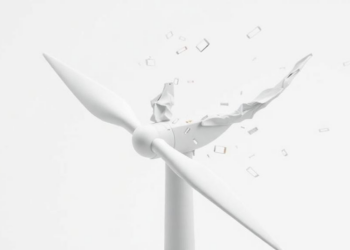
Researchers have built a 1:100 scaled wind turbine model designed to reproduce the aerodynamic, centrifugal, and gravitational load transients that ...
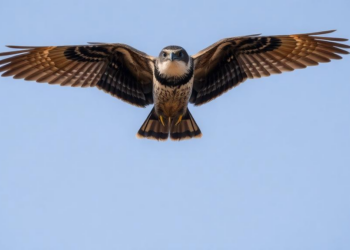
A Lund University wind tunnel study shows that the European nightjar's broad wings aid slow hunting flight but reduce lift ...
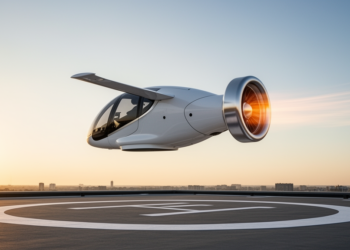
Researchers report that a circumferential intake flow deflector raises net thrust by 2.32 percent and cuts torque by 2.83 percent ...
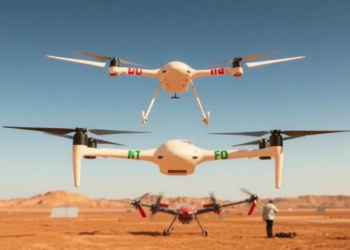
Researchers at UPES Dehradun have combined CFD simulations with machine learning, including a physics-guided neural network, to rapidly optimize drone ...
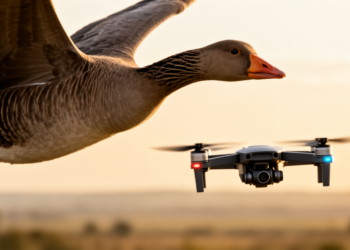
A wind-tunnel study shows that a bird-nostril-inspired pair of pressure sensors, combined with spanwise pressure taps, lets a follower aircraft ...
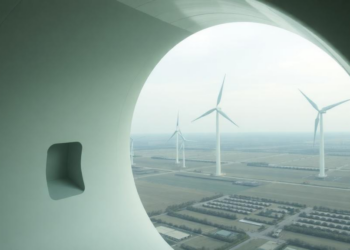
Pressurized wind tunnel experiments have allowed researchers to simulate full-scale atmospheric conditions and identify control strategies that could add tens ...


Embark on a thrilling journey of discovery with Scienmag.com—your ultimate source for cutting-edge breakthroughs. Immerse yourself in a world where curiosity knows no limits and tomorrow’s possibilities become today’s reality!