


Blunted Brain Reward Signals May Set Teens on Path to Cannabis Use
Adolescents with weak brain responses to rewards may be more likely to start using cannabis, a new study suggests.
Adolescents with weak brain responses to rewards may be more likely to start using cannabis, a new study suggests.

A thirteen-study collection in Frontiers in Adolescent Medicine shows that youth addiction risk emerges from the interplay of reward sensitivity, ...

A systematic review of 44 longitudinal studies shows physical activity during adolescence is consistently linked with better physical activity levels, ...

A network analysis of 966 Turkish adolescents found that problem-solving deficits link family dysfunction to social media addiction in girls, ...

A three-wave Spanish study of 742 adolescents shows that students facing both traditional bullying and cybervictimization simultaneously are the least ...

A new review maps how congenital adrenal hyperplasia disrupts fertility and psychosexual development in adolescents and argues that early, multidisciplinary ...
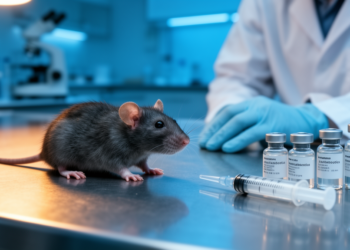
A brief course of oral antibiotics during adolescence can reshape the gut microbiome, alter protein expression in a key reward ...

A study of more than 33,000 Spanish adolescents using machine learning and logistic regression identifies sex, problematic internet use, substance ...

A longitudinal study of more than 13,000 UK children found that higher childhood BMI and fat mass trajectories were linked ...

A study of more than 92,000 Norwegian children found that those born smaller than expected at term scored lower in ...


Embark on a thrilling journey of discovery with Scienmag.com—your ultimate source for cutting-edge breakthroughs. Immerse yourself in a world where curiosity knows no limits and tomorrow’s possibilities become today’s reality!