


In a groundbreaking study published in the Journal of Ovarian Research, researchers have identified compelling evidence concerning the survival outcomes of ovarian cancer patients treated in certified gynecologic oncology centers compared to those treated in non-certified hospitals. This retrospective cohort study, conducted in Germany and referred to as WiZen, sheds critical light on the advantages associated with specialized medical institutions in the realm of gynecological oncology.
The research, spearheaded by Hansinger et al., methodically analyzed the survival data of ovarian cancer patients gathered from diverse healthcare settings. The stark disparities in patient outcomes brought to light by this study underscore the importance of healthcare quality and the pivotal role that specialized training and resources play in the treatment of such a complex disease. The study’s results prompt a broader conversation regarding healthcare systems and the efficacy of specialized vs. general treatment facilities.
As the incidence of ovarian cancer rises globally, the findings from this research become even more pressing. The study’s robust methodology involved a comprehensive analysis of patient records from both certified oncology centers and non-certified hospitals, providing a fertile ground for drawing comparisons. The meticulous nature of this investigation allowed for a nuanced understanding of how various treatment environments impact patient survival rates.
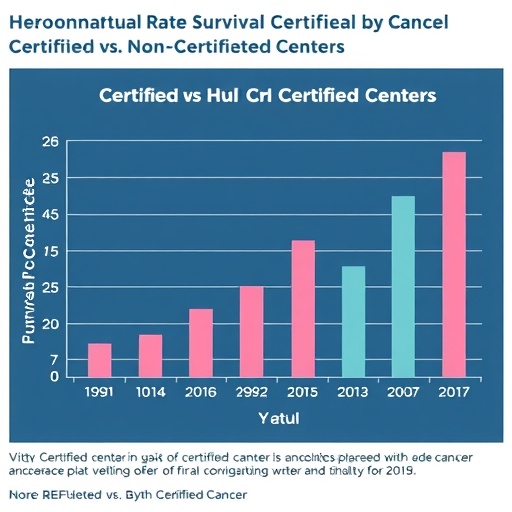
Patients diagnosed with ovarian cancer often face a complicated prognosis, which makes timely and effective interventions paramount. The study revealed that patients treated in certified centers had significantly better overall survival rates. This finding can potentially reshape treatment referral protocols and highlight the necessity for patients to seek care in specialized institutions equipped with advanced treatment modalities and expert staff.
The implications of these findings extend beyond individual patient outcomes; they raise important questions about healthcare accessibility and the systemic challenges faced by non-certified hospitals. In many regions, patients may have limited access to certified facilities due to geographical or financial constraints. This study serves as a clarion call for both healthcare policymakers and the broader medical community to assess how cancer care is distributed and how it can be optimized for better patient outcomes.
Delving deeper into the statistical analysis presented in the study, it emerged that the differences in survival were not merely marginal. The results demonstrated that certified gynecologic oncology centers could increase patient survival rates significantly, suggesting that the training and resources available in these institutions contribute to a paradigm shift in effective cancer care. This revelation has potential repercussions for accreditation processes and the standards of care that should be upheld across all healthcare facilities.
Moreover, the WiZen study emphasizes the necessity for continuous education and training for healthcare professionals engaged in oncology, ensuring that they are aware of the latest advancements in treatment and care strategies. As cancer treatment continually evolves, keeping pace with these developments becomes essential to improving survival outcomes. This study advocates for a more integrated approach to cancer treatment that incorporates the latest research findings, clinical practices, and technological advancements.
The research also opens avenues for further exploration into specific treatments and interventions utilized at certified centers compared to non-certified facilities. This could lead to a more granular understanding of which practices are most effective and how they can be adapted or improved in non-certified settings. As this conversation progresses, it is crucial that healthcare stakeholders consider both the quality of care and the equitable distribution of resources required for optimal cancer treatment.
Additionally, the study’s focus on a German population invites discussions about the potential for similar outcomes in other countries and healthcare systems, thereby enhancing the global discourse on cancer treatment efficacy. Each healthcare system possesses unique challenges and strengths, and understanding the dynamics within diverse patient populations can lead to the development of targeted strategies for improving care standards worldwide.
In conclusion, the findings from this pivotal study advocate for a paradigm shift in how we approach the treatment of ovarian cancer. By highlighting the stark contrasts in survival based on the treatment facility’s certification status, the research by Hansinger and colleagues emphasizes the crucial role specialized oncology centers play in enhancing patient outcomes. Healthcare providers, policymakers, and patients alike must take heed of these results to navigate the complexity of cancer care more effectively in the future.
This compelling research not only enriches our understanding of the ovarian cancer landscape but also serves as a call to action. It reminds all stakeholders of the essential need for quality medical care and the direct impact it has on patient survival, urging ongoing efforts to ensure that all patients have access to the best possible treatment options available today.
Hansinger, J., Schoffer, O., Völkel, V. et al. Comparison of survival in ovarian cancer patients following treatment in certified gynecologic oncology centers and non-certified hospitals: a German retrospective cohort study (WiZen). J Ovarian Res 18, 238 (2025). https://doi.org/10.1186/s13048-025-01843-8
Cite Scienmag News
Nathaniel Bowman. (November 4, 2025). Survival Rates in Ovarian Cancer: Certified vs. Non-Certified Centers. Scienmag. https://scienmag.com/survival-rates-in-ovarian-cancer-certified-vs-non-certified-centers/
Nathaniel Bowman. "Survival Rates in Ovarian Cancer: Certified vs. Non-Certified Centers." Scienmag, 4 November 2025, https://scienmag.com/survival-rates-in-ovarian-cancer-certified-vs-non-certified-centers/. Accessed 4 September 2026.
Nathaniel Bowman. "Survival Rates in Ovarian Cancer: Certified vs. Non-Certified Centers." Scienmag. November 4, 2025. https://scienmag.com/survival-rates-in-ovarian-cancer-certified-vs-non-certified-centers/


