


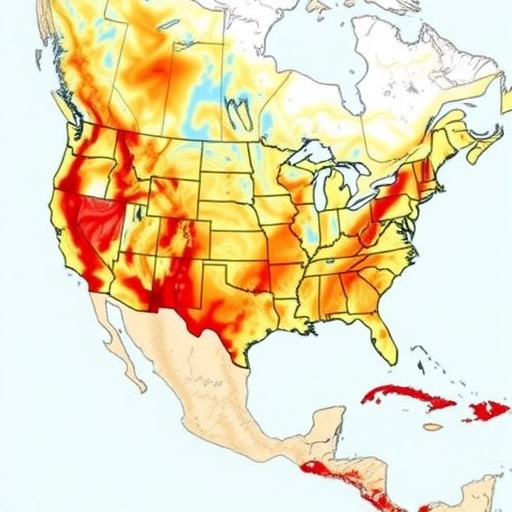
A new national-scale study suggests that canals may be more than historic transport corridors or picturesque features of urban landscapes: they could also help moderate city temperatures. Research published in Nature Communications examines how canals influence heat across built-up areas, offering one of the broadest assessments yet of the cooling potential of urban waterways. The findings arrive as cities face increasingly frequent heatwaves, rising average temperatures and growing concern about how climate change will affect densely populated neighbourhoods.
Urban areas are often several degrees warmer than their rural surroundings, a phenomenon known as the urban heat island effect. Asphalt, concrete and brick absorb solar energy during the day and release it slowly after sunset, while limited vegetation and restricted airflow can intensify the heat. Canals introduce a different physical environment into this landscape. Their water surfaces can absorb substantial amounts of heat, support evaporation and alter the movement of air near the ground, potentially creating cooler conditions along their banks.
The study by M.D. Tomkins, H. McDonald, J.J. Huck and colleagues assesses these effects at a national scale rather than focusing on a single canal, city or heatwave. This broader approach is important because the climate influence of a waterway can vary dramatically from place to place. A narrow canal enclosed by tall buildings may behave differently from a wide, open channel bordered by parks. The researchers therefore examined canals in relation to their surrounding urban form, local land cover and temperature patterns, seeking to determine when waterways provide meaningful relief from heat and when their influence is limited.
The cooling mechanism is rooted in basic physics. Water has a higher heat capacity than most urban construction materials, meaning it can absorb large quantities of energy without heating as rapidly as concrete or pavement. Evaporation at the water surface then consumes heat, transferring energy from the surroundings into water vapour. This process can lower nearby surface temperatures, although its impact depends on humidity, wind speed, sunlight and the availability of dry air to carry moisture away. At night, water can also release stored heat, making the temperature effect more complex than a simple, continuous cooling signal.
The researchers distinguish between land-surface temperature and the temperature of the air people breathe. Satellite instruments commonly measure the thermal radiation emitted by surfaces such as roofs, roads, vegetation and water. These measurements are valuable for mapping heat across large areas, but a cooler canal surface does not automatically mean that every nearby street experiences the same reduction in air temperature. The study’s significance lies in examining the spatial relationship between canals and urban thermal conditions, helping clarify how far their influence may extend beyond the water itself.
The assessment indicates that canals can create cooler local environments, but the benefit is neither uniform nor guaranteed. The strongest effects are likely where waterways are connected to open space, vegetation and unobstructed air movement. Trees and planted canal corridors can reinforce the cooling effect by providing shade and adding their own evapotranspiration, the process through which plants release water vapour. By contrast, heavily built-up stretches with tall structures, dark surfaces and poor ventilation may restrict the spread of cooler air, even when the canal itself remains substantially cooler than its surroundings.
That variation carries an important message for urban planners. A canal should not be treated as a standalone climate solution. Its value depends on how it is designed and connected to the wider city. Accessible waterside paths, tree cover, wetlands and permeable surfaces could help extend thermal benefits while also supporting biodiversity, recreation and stormwater management. In some places, restoring neglected waterways or opening up enclosed banks may provide more climate value than simply preserving the water channel as an isolated feature.
The study also highlights why national-scale evidence matters in the era of climate adaptation. Cities are increasingly investing in cooling measures, including green roofs, street trees, reflective materials, shaded public spaces and restored waterways. Such interventions compete for limited land and funding, making it essential to understand where each measure is most effective. By comparing canals across many urban settings, the research provides a framework for identifying locations where waterways could contribute to heat reduction and for avoiding exaggerated claims about their cooling reach.
The findings do not suggest that canals can replace emissions reductions, heat-health planning or large-scale urban greening. Instead, they reveal that existing infrastructure may offer an underused component of a broader response to extreme heat. As climate change drives more intense and persistent hot weather, the thermal behaviour of every urban surface becomes increasingly important. Canals, once engineered primarily for transportation and industry, may now have a second role as elements of urban climate infrastructure—provided their surrounding landscapes are planned to amplify, rather than obstruct, their natural cooling potential.
Cite Scienmag News
Sloane Callahan. (August 10, 2026). Study maps how canals affect temperatures across cities nationwide. Scienmag. https://scienmag.com/study-maps-how-canals-affect-temperatures-across-cities-nationwide/
Sloane Callahan. "Study maps how canals affect temperatures across cities nationwide." Scienmag, 10 August 2026, https://scienmag.com/study-maps-how-canals-affect-temperatures-across-cities-nationwide/. Accessed 4 September 2026.
Sloane Callahan. "Study maps how canals affect temperatures across cities nationwide." Scienmag. August 10, 2026. https://scienmag.com/study-maps-how-canals-affect-temperatures-across-cities-nationwide/


