

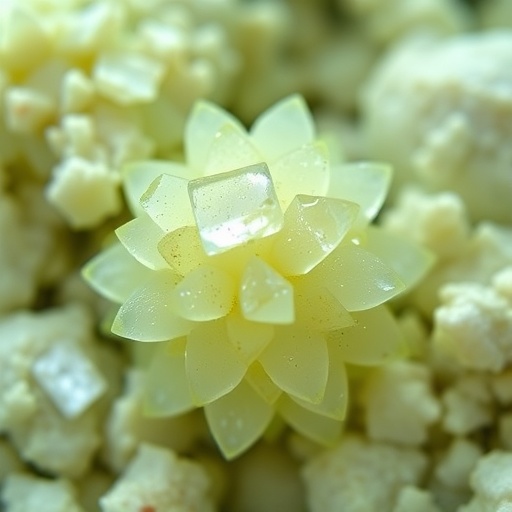
Struvite precipitation emerges as a vital process within the realm of environmental science, especially concerning the management of nutrient-rich waste. Recent research conducted by Gonçalves, Roque, and Nariyoshi offers an illuminating insight into the mineralogical characterization of struvite formed from source-separated human urine. This innovative approach holds the potential to address phosphorus recycling, a pressing concern in the context of global food security and environmental preservation.
Struvite, chemically known as magnesium ammonium phosphate, represents a significant component in the agenda for sustainable nutrient extraction from wastewater. In many conventional treatment processes, vital nutrients are often lost, leading to the need for synthetic fertilizers, which can be detrimental to the environment. The innovative process studied by these researchers focuses on harnessing human urine, a largely overlooked resource, for struvite recovery, thereby creating a closed-loop system of nutrient management.
The study delves into the mineralogical characteristics of struvite, determined through various analytical techniques. These methods provide a comprehensive understanding of struvite’s crystalline structure and its formation process during precipitation. By examining parameters such as pH, temperature, and the concentration of reactants, the researchers were able to optimize the conditions for struvite crystallization. The findings highlight the importance of controlled conditions in achieving a high-quality product that is not only effective for agricultural applications but also environmentally benign.
One of the standout features of the research is the kinetics of phosphorus release from the struvite crystals. This aspect is critical for agricultural applications, where the timing and availability of nutrients to plants can significantly influence crop yields. By analyzing how phosphorus is released over time, the study offers valuable insights into the longevity and effectiveness of struvite as a fertilizer. This information can guide farmers in developing more effective nutrient management strategies, ultimately leading to improved agricultural productivity.
Furthermore, heavy metal safety assessment forms an essential part of the research, given the potential risks associated with using struvite derived from human waste. The study evaluates the concentration of heavy metals in the struvite product, ensuring that it meets safety standards for agricultural use. This assessment is particularly crucial in enhancing public trust in the use of recycled fertilizers, especially in organic farming contexts where heavy metal contamination poses significant health risks.
The interdisciplinary nature of this research encapsulates aspects of environmental science, agricultural sustainability, and public health. By drawing on methods and principles from these diverse fields, the researchers provide a holistic approach to nutrient recycling. The implications extend beyond just agricultural productivity, highlighting a pathway toward reducing the reliance on synthetic fertilizers, thereby mitigating their environmental impact.
As urbanization continues to rise, the challenge of managing nutrient waste has become increasingly complex. This research champions the idea of source separation of human urine, promoting a system where individuals could contribute to nutrient recycling at the household level. It opens the floor for technological innovations aimed at improving urine separation and struvite recovery systems within urban settings. Implementing such practices can transform waste management systems, further promoting sustainability within urban environments.
Moreover, the method of handling source-separated urine for struvite recovery aligns perfectly with circular economy principles that emphasize waste as a resource. In the quest for sustainability, transforming human waste into valuable fertilizers is more than just an innovative idea; it is a necessary shift in our approach to waste management. Struvite precipitation offers a practical solution to mitigate nutrient loss, contributing to the development of greener agricultural practices.
The research findings contribute significantly to the broader discourse surrounding nutrient management and agricultural sustainability. As the global population continues to expand, ensuring food security becomes paramount, and the role of recycled nutrients will become increasingly vital. By focusing on sustainable practices, such as the recovery of nutrients from human waste, researchers offer a glimpse into a future where agricultural inputs become both environmentally friendly and resource-efficient.
In conclusion, the study on struvite precipitation from source-separated human urine by Gonçalves and colleagues marks a pivotal moment in environmental science. It underscores the intersection of waste management, agriculture, and public health, showcasing how innovative approaches can lead to sustainable solutions. As the world grapples with the challenges posed by climate change, resource scarcity, and food security, initiatives like these stand to play a crucial role in shaping a more sustainable future.
The journey to sustainability through nutrient recycling is not just about science; it’s about changing perspectives and challenging conventional norms regarding waste. By advancing the understanding of struvite formation and optimizing its recovery, this research paves the way for future innovations in wastewater management. The time for such transformative practices is now, as the fight against environmental degradation and the quest for sustainable agricultural practices accelerates.
Subject of Research: Struvite precipitation from source-separated human urine
Article Title: Struvite precipitation from source-separated human urine: mineralogical characterization, phosphorus release kinetics, and heavy metal safety assessment
Article References:
Gonçalves, R.F., Roque, R.P., Nariyoshi, Y.N. et al. Struvite precipitation from source-separated human urine: mineralogical characterization, phosphorus release kinetics, and heavy metal safety assessment. Environ Sci Pollut Res (2026). https://doi.org/10.1007/s11356-025-37380-6
Image Credits: AI Generated
DOI: https://doi.org/10.1007/s11356-025-37380-6
Keywords: struvite, phosphorus recovery, wastewater management, nutrient recycling, environmental sustainability, heavy metals, agricultural productivity.


