

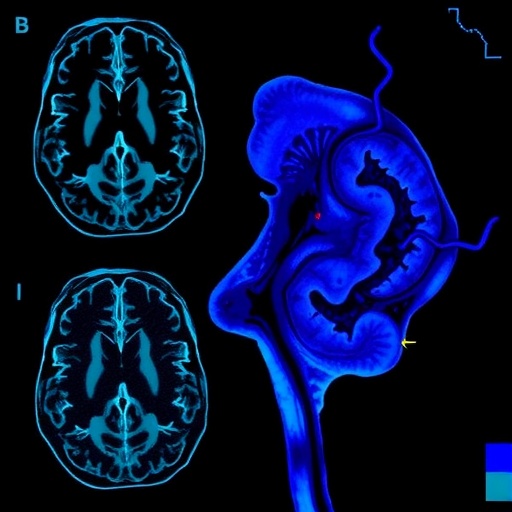
In a groundbreaking study published in Translational Psychiatry, researchers have unveiled compelling evidence linking impairments in stimulus-response learning mechanisms to the progression of synucleinopathies, a group of neurodegenerative disorders prominently characterized by pathological accumulations of alpha-synuclein protein. This emerging biomarker offers a promising avenue for early diagnosis and intervention strategies aimed at conditions such as Parkinson’s disease and dementia with Lewy bodies. The research led by Princz-Lebel, Attaran, Sandoval Contreras, and colleagues provides unprecedented insights into the cognitive deficits that precede overt motor symptoms, potentially revolutionizing how synucleinopathy-related diseases are detected and monitored.
Synucleinopathies have long posed diagnostic challenges due to their insidious onset and often overlapping clinical features with other neurodegenerative diseases. Alpha-synuclein pathology, central to these disorders, manifests through the formation of Lewy bodies and neurites, which disrupt neural circuits critical for motor and cognitive functions. Traditionally, diagnosis has hinged upon motor symptomatology and post-mortem histopathological confirmation. However, the cognitive alterations that predate these hallmark symptoms have remained elusive, reducing the efficacy of early clinical intervention.
The study’s novelty lies in its focus on stimulus-response learning—an elemental cognitive process whereby individuals learn to associate specific stimuli with appropriate behavioral responses. Using a sophisticated animal model genetically engineered to express aberrant alpha-synuclein reflective of human synucleinopathies, the researchers meticulously assessed behavioral paradigms designed to isolate and evaluate associative learning. Results demonstrated a marked deficit in the ability to form and retain such stimulus-response associations, signaling a direct impairment attributable to synuclein pathology.
Importantly, these deficits emerged well before the development of gross motor impairments, underscoring their potential as a preclinical biomarker. The experimental paradigm employed leverages both operant conditioning frameworks and electrophysiological recordings, enabling a comprehensive characterization of the underlying neural dysfunction. Synaptic plasticity within cortico-striatal circuits—critical for stimulus-response learning—was notably disrupted, indicative of alpha-synuclein’s toxic interference with synaptic transmission.
Beyond elucidating mechanistic underpinnings, this research carries profound translational implications. The identification of stimulus-response learning impairment as an early cognitive biomarker equips clinicians and researchers with a tangible target for diagnostic tools. Cognitive testing protocols sensitive to these associative learning deficits could be refined and integrated into routine screening for individuals at risk of synucleinopathies, potentially before irreversible neurodegeneration unfolds.
From a therapeutic standpoint, the findings suggest avenues for intervention tailored to restore or enhance stimulus-response learning capabilities. Pharmacological agents modulating synaptic plasticity or novel neuromodulatory approaches such as transcranial magnetic stimulation targeting the affected neural circuits might prove efficacious in mitigating early cognitive symptoms and possibly slowing disease progression.
The research harnesses cutting-edge methodologies including in vivo calcium imaging, optogenetics, and advanced behavioral phenotyping. These techniques afford unparalleled temporal and spatial resolution in assessing neural dynamics and behavioral outcomes concurrently, painting a detailed picture of the pathological cascade initiated by alpha-synuclein accumulation.
Moreover, the study’s integrative approach bridges molecular, cellular, and systems neuroscience, enriching our understanding of how discrete synaptic pathologies translate into complex behavioral deficits. By dissecting the trajectory from molecular aberrations to functional impairment, the research delineates a pathway amenable to targeted therapeutic disruption.
This investigation further endeavors to correlate the degree of stimulus-response learning impairment with the burden and distribution of alpha-synuclein deposits, employing quantitative immunohistochemistry and magnetic resonance imaging. Such correlations reaffirm the biomarker’s specificity and prognostic value, enhancing its clinical utility.
Emerging data also hints at potential differential impacts of synucleinopathy subtypes on various domains of cognitive processing. While the current study emphasizes associative learning deficits, future research might extend these findings by exploring how distinct synuclein strains selectively disrupt neural circuits involved in memory, attention, and executive function.
Compellingly, the work ignites a broader conversation regarding the nature of cognitive biomarkers in neurodegenerative diseases. Unlike traditional markers reliant on biochemical assays or neuroimaging alone, cognitive biomarkers such as stimulus-response learning deficits provide a dynamic readout of circuit integrity and functional capacity, positioning them as invaluable complements to existing diagnostic frameworks.
Interdisciplinary collaboration underpins this advancement, with contributions spanning neurobiology, cognitive science, computational modeling, and clinical neurology. Such synergy fosters a holistic perspective essential for translating benchside discoveries into bedside benefits.
As the field progresses, the deployment of stimulus-response learning assessments in longitudinal human studies will be critical to validate and refine their predictive power. These inquiries will clarify whether early cognitive changes can indeed forecast clinical decline and serve as endpoints for therapeutic trials.
The societal and healthcare implications are profound. Early detection facilitated by this biomarker could enable timely initiation of neuroprotective therapies, lifestyle modifications, and supportive care, thereby alleviating disease burden and improving patient quality of life.
Overall, this seminal work pioneers a paradigm shift in synucleinopathy research by spotlighting an accessible cognitive domain as both a window into disease mechanisms and a measurable clinical endpoint. Its impact reverberates across neurodegenerative research, offering hope for earlier, more accurate diagnosis and innovative treatment strategies.
The study “Impairment in stimulus-response learning as a cognitive biomarker in a model of synucleinopathy” marks a significant step forward in tackling one of the most challenging facets of neurodegeneration, uniting rigorous science with translational promise to pave the way for transformative advances in patient care.
Subject of Research: Cognitive impairments, specifically stimulus-response learning deficits, as biomarkers in synucleinopathy models.
Article Title: Impairment in stimulus-response learning as a cognitive biomarker in a model of synucleinopathy.
Article References:
Princz-Lebel, O., Attaran, A., Sandoval Contreras, R. et al. Impairment in stimulus-response learning as a cognitive biomarker in a model of synucleinopathy. Transl Psychiatry (2026). https://doi.org/10.1038/s41398-025-03795-5
Image Credits: AI Generated


