


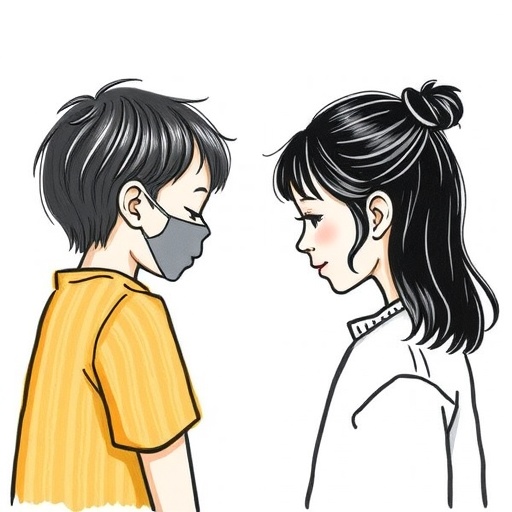
In an era where the world still grapples with the extensive aftermath of the COVID-19 pandemic, a new dimension of the crisis has emerged that demands urgent scientific scrutiny and public awareness: the stigma experienced by children suffering from long COVID. Long COVID, a condition characterized by persistent and often debilitating symptoms following the acute phase of SARS-CoV-2 infection, has well-documented clinical and physiological impacts. However, a recent landmark study published in Pediatric Research sheds critical light on an often-overlooked consequence of this condition—social stigma and its profound effects on pediatric patients.
Children with long COVID face not only a spectrum of neurological, respiratory, and systemic symptoms but also a social and psychological burden that complicates their recovery trajectories. This study, spearheaded by Holingue, Villatoro, Jacobson, and colleagues, delves into the complex experiences of stigmatization among affected children, revealing the multifaceted nature of the long COVID illness experience. The investigation employs rigorous epidemiological and psychosocial methodologies to understand how stigma manifests in different environments, including schools, families, and healthcare settings, and how it may exacerbate the vulnerabilities of pediatric patients.
Long COVID symptoms in children range from chronic fatigue, cognitive fog, and headaches to cardiorespiratory issues like persistent cough and palpitations. These symptoms often impair daily functioning, school attendance, and social interactions. Compounding these medical challenges is a pervasive lack of understanding and empathy within communities, which fosters discrimination and social exclusion. The study highlights how this stigma stems from misinformation about the disease’s nature, misconceptions about contagiousness, and societal biases towards chronic illness and disability in children.
The researchers utilized qualitative data from in-depth interviews and quantitative surveys with children diagnosed with long COVID, their caregivers, and healthcare professionals. Through these comprehensive data sources, they mapped the social terrain of stigma, identifying recurring patterns such as labeling, social distancing, and internalized shame. Notably, the research underscores how children internalize negative stereotypes, which can lead to decreased self-esteem, heightened anxiety, and depression, thus creating a feedback loop that exacerbates both psychological and physical health outcomes.
One of the pivotal findings is the role of educational institutions in mediating stigma. Schools, while essential for normal development and socialization, often become arenas where misunderstanding of long COVID leads to isolation or bullying. Teachers and staff members, lacking adequate training and resources about the chronic nature of post-COVID symptoms, may dismiss children’s reports of symptoms or unfairly attribute academic struggles to laziness or malingering. This social invalidation not only alienates affected children but can also hinder their academic progress and long-term development.
Parental experiences featured prominently in the study, revealing a dual burden. Parents of children with long COVID often face skepticism from both medical providers and social networks, which invalidates their advocacy and amplifies feelings of helplessness. Many reported feeling compelled to justify their children’s condition repeatedly or encountered outright dismissal, adding layers of stress to family dynamics. This stigma extends beyond individual families, implicating broader structural inadequacies in healthcare provision and societal support systems.
Healthcare environments, intended as spaces of healing, also emerged as significant contexts of stigma. Despite advances in understanding long COVID, many providers struggle with diagnostic uncertainty, limited treatment protocols, and biases that can minimize patient experiences. Pediatric patients frequently encounter dismissive attitudes or fragmented care, which further alienates them and discourages engagement with medical services. This gap underscores the need for comprehensive education targeting healthcare professionals to improve diagnostic accuracy, therapeutic empathy, and holistic care approaches that integrate psychological and social dimensions.
The study also explores intersectional factors that intensify stigma. Socioeconomic disparities, racial and ethnic minority status, and pre-existing health conditions compound the experiences of marginalization among children with long COVID. These intersecting vulnerabilities highlight systemic inequities that influence who receives timely diagnosis, adequate care, and social support. It calls for intersectional policy responses that address broader determinants of health and social inclusion in mitigating the multifactorial impacts of long COVID.
Importantly, Holingue and colleagues illuminate strategies to combat stigma, emphasizing community engagement, education, and policy reform. Public health messaging must pivot from solely biomedical narratives to include social and emotional dimensions, fostering compassion and inclusivity. Educational campaigns targeting peers and schools can dismantle myths and promote supportive peer environments. Furthermore, integrating stigma reduction into clinical guidelines and social services infrastructure is critical to creating environments that validate and empower affected children.
The broader implications for policy and practice are profound. Addressing stigma in pediatric long COVID is not merely a matter of improving quality of life; it is essential for optimizing clinical outcomes and preventing the entrenchment of chronic disability. Interventions that reduce stigma can directly influence adherence to treatment, psychological resilience, and social reintegration. Policymakers must therefore prioritize funding for comprehensive care models that incorporate mental health support, family education, and community sensitization programs.
As the pandemic continues to evolve, so too must the frameworks for understanding and responding to its long-term consequences. This pioneering research brings to the fore a critical dimension of childhood illness that intersects biology, psychology, and society. It invites stakeholders—from medical professionals and educators to families and policymakers—to recognize and dismantle the harmful stigma that shadows the ongoing struggles of children with long COVID.
In conclusion, the study by Holingue et al. marks a significant advance in pediatric COVID research by contextualizing long COVID within the psychosocial realities of stigmatization. Their meticulous integration of clinical and social science perspectives provides a blueprint for holistic care and social justice in pandemic recovery efforts. It is a clarion call to the scientific community and society at large to see beyond symptoms and diagnoses to the lived experiences of children whose voices have too often been marginalized throughout this global health crisis.
Through heightened awareness, targeted intervention, and interdisciplinary collaboration, the path forward can transform from one marked by isolation and misunderstanding to one characterized by empathy and empowerment. This research is a vital step toward achieving that vision, underscoring the necessity of addressing stigma as a fundamental component of pediatric long COVID care and recovery worldwide.
Cite Scienmag News
Denise Maddox. (May 29, 2026). Stigma Experiences in Children with Long COVID. Scienmag. https://scienmag.com/stigma-experiences-in-children-with-long-covid/
Denise Maddox. "Stigma Experiences in Children with Long COVID." Scienmag, 29 May 2026, https://scienmag.com/stigma-experiences-in-children-with-long-covid/. Accessed 4 September 2026.
Denise Maddox. "Stigma Experiences in Children with Long COVID." Scienmag. May 29, 2026. https://scienmag.com/stigma-experiences-in-children-with-long-covid/


