


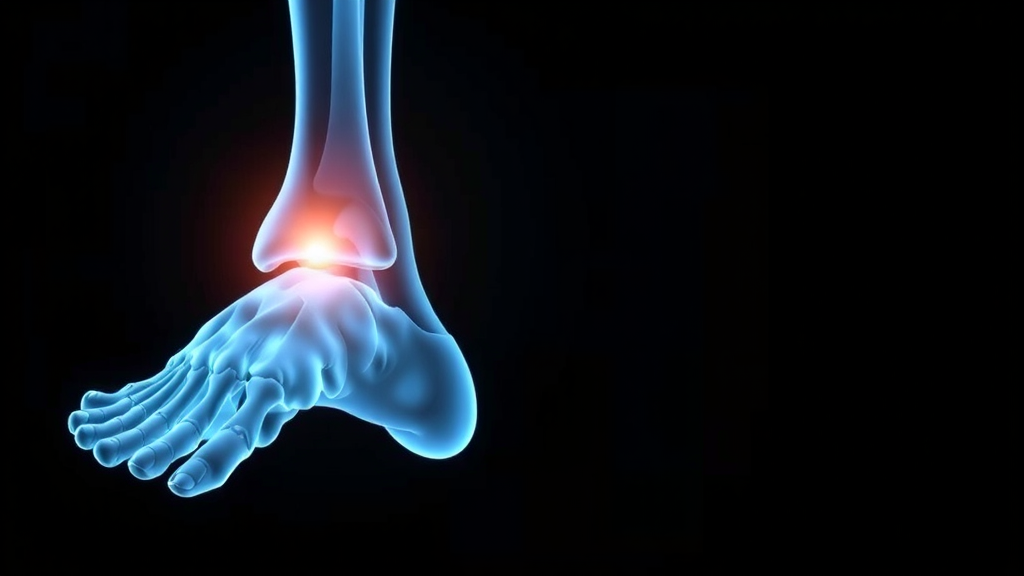
In an unexpected twist at the intersection of orthopedics and neuroscience, researchers report that rhythmically compressing the tibia — the long bone of the lower leg — can significantly improve survival and functional recovery after traumatic brain injury and stroke. The study, published in Nature Neuroscience, demonstrates that mechanical loading of bone acts as a powerful endocrine trigger, coaxing osteocytes, the most abundant cells embedded in bone tissue, to release a cocktail of neuroprotective molecules that travel through the bloodstream and help the injured brain repair itself. The findings, established in mouse and pig models of brain injury, describe what the authors call a bone–brain axis: a communication pathway in which physical forces applied to the skeleton are converted into humoral signals that promote neuronal survival, dampen chronic inflammation, and stimulate neural regeneration.
The clinical motivation behind the work is rooted in a long-recognized paradox. Clinicians have known for decades that traumatic brain injury accelerates bone healing and can even induce heterotopic ossification, the abnormal formation of bone in soft tissues. Patients with severe fractures alongside brain injuries often heal their skeletons at remarkable speed. This observation suggested that the injured brain sends signals that enhance bone repair, a phenomenon explored in earlier studies showing that the damaged brain releases small extracellular vesicles that target osteoprogenitor cells. But the reverse question — whether bone, in turn, can benefit the injured brain — had remained largely unexplored. The new study set out to answer it directly, asking whether the skeleton’s endocrine function could be deliberately harnessed as a therapy for the brain.
To test this, the research team developed a protocol called dynamic compressive tibial axial loading, or DCTAL. In mice, the procedure involves applying rhythmic axial compression to the tibia — approximately 4 newtons of force at 2 hertz for 300 cycles per session, five times per week — a regimen that mimics the natural mechanical loads bones experience during vigorous walking or running without causing fractures or tissue damage. When mice subjected to moderate traumatic brain injury received this treatment, the results were striking: survival increased, motor performance on pole tests improved, and spatial memory assessed in the Morris water maze recovered substantially. The benefits extended beyond trauma, as mice subjected to ischemic stroke also showed better outcomes. The team then scaled the approach to a porcine model of traumatic brain injury, a clinically relevant large-animal system, and found that DCTAL similarly improved survival and reduced neuron loss in injured pigs.
Histological and molecular analysis of treated animals revealed the depth of the effect. DCTAL reduced brain lesion volume and preserved hippocampal neurons, as measured by MAP2 immunostaining and Nissl staining. Chronic neuroinflammation, one of the most damaging sequelae of traumatic brain injury, was markedly attenuated: the expression of pro-inflammatory cytokines including TNF-α, IL-1β and IL-6 declined, while anti-inflammatory mediators such as IL-4 and TGF-β rose. The proportions of inflammatory macrophages and neutrophils infiltrating the injured brain fell significantly. Significantly, the treatment also stimulated neuronal regeneration, consistent with elevated trophic support in the injured tissue.
The mechanistic heart of the study lies in osteocytes, the terminally differentiated bone cells that form a sensory network throughout the mineralized matrix. Osteocytes are well established as the primary mechanosensors of the skeleton, detecting fluid shear stress and strain through mechanosensitive ion channels. The researchers focused on PIEZO1, a pore-forming mechanosensitive channel previously shown to be required for bone formation. When the team genetically deleted Piezo1 specifically in osteocytes of mice, the protective effects of tibial compression vanished entirely — survival gains, motor and cognitive recovery, reduction of lesion volume and attenuation of inflammation all reversed. Conversely, locally activating PIEZO1 in bone, including with the channel agonist Yoda1 applied to cortical bone, was sufficient to reproduce the neuroprotective benefits without any loading at all. This established PIEZO1 in osteocytes as both necessary and sufficient for the phenomenon.
At the molecular level, the loading regimen transformed the osteocyte secretome. Transcriptomic profiling of tibial cortical bone revealed upregulation of secreted factors following DCTAL, and the researchers identified three key molecules released directly by osteocytes: IL-1R2, the decoy receptor for interleukin-1 that neutralizes inflammatory signaling; APOL11a, an apolipoprotein L family member; and HSP70, the inducible heat shock protein long associated with neuroprotection. In vitro, supernatant from Yoda1-treated cortical bone reduced caspase-3 cleavage and preserved MAP2 expression in neurons subjected to oxygen-glucose deprivation, an effect abolished when PIEZO1 was deleted from osteocytes. The AKT signaling pathway emerged as a mediator of mechanically induced HSP70 release from osteocyte-like MLO-Y4 cells, with the AKT inhibitor GSK690693 blocking HSP70 induction.
Beyond direct osteocyte secretions, the study found that loading also indirectly elevated circulating levels of BDNF, the canonical brain-derived neurotrophic factor; PF4, a platelet factor previously implicated in cognitive rejuvenation; and dopamine, the neuromodulator essential for motor control and cognitive function. When the researchers transferred serum from DCTAL-treated mice into mice with traumatic brain injury, the recipients recapitulated many of the therapeutic benefits, confirming that the recovery is driven by circulating humoral factors rather than local skeletal effects. The team further showed that these factors act synergistically — no single molecule fully accounted for the protection, suggesting a combinatorial endocrine program rather than a one-drug mechanism.
An important set of control experiments clarified the specificity of the effect. Tibial fracture, despite the well-known acceleration of bone healing after brain injury, failed to activate the protective osteokine program and did not improve cognitive or histological outcomes after traumatic brain injury. In fact, concomitant fracture elevated inflammatory cytokines and delayed recovery, consistent with clinical observations that fractures worsen brain injury outcomes. This distinction indicates that controlled dynamic loading, not skeletal damage, is the critical therapeutic variable. The study also assessed safety: bone mineral density of the tibia remained stable after weeks of loading, joint and meniscal structures showed no adverse changes, sciatic nerve histology was unremarkable, and healthy mice receiving DCTAL exhibited no motor or cognitive alterations, indicating that the intervention is well tolerated in uninjured animals.
The translational implications are considerable. Traumatic brain injury remains a leading cause of death and disability worldwide, and decades of clinical trials for neuroprotective drugs have largely failed, leaving rehabilitation and supportive care as the mainstays of treatment. A non-invasive or minimally invasive mechanical intervention that harnesses the body’s own skeletal endocrine machinery — activating a pathway that already exists in biology — could sidestep many of the delivery and toxicity problems that have plagued pharmacological approaches. The authors suggest that drug-based activation of osteocyte PIEZO1, or of downstream osteokine pathways, might eventually reproduce the benefits of mechanical loading in patients unable to undergo physical loading regimens. While substantial work remains before tibial compression or its pharmacological analogues reach human trials, including optimization of dosing parameters and validation of the factor cocktail in clinical settings, the demonstration that bone can be mechanically instructed to secrete brain-repairing signals fundamentally expands the view of the skeleton — from a structural scaffold to a programmable endocrine organ with direct influence over the injured brain.
Subject of Research: Mechanically activated osteocyte PIEZO1 signaling in a bone–brain axis that promotes recovery after traumatic brain injury and stroke
Article Title: Tibial bone compression promotes recovery after brain injury through osteocyte PIEZO1
Article References: Tibial bone compression promotes recovery after brain injury through osteocyte PIEZO1. (n.d.). https://doi.org/10.1038/s41593-026-02422-w
Image Credits: AI Generated
DOI: 10.1038/s41593-026-02422-w
Keywords: bone-brain axis, osteocytes, PIEZO1, traumatic brain injury, stroke, tibial loading, osteokines, HSP70, IL-1R2, APOL11a, BDNF, neuroprotection
Cite Scienmag News
Cassandra Pierce. (September 22, 2026). Squeezing the Shin Bone Triggers a Bone-to-Brain Signal That Speeds Recovery After Head Injury. Scienmag. https://scienmag.com/squeezing-the-shin-bone-triggers-a-bone-to-brain-signal-that-speeds-recovery-after-head-injury/
Cassandra Pierce. "Squeezing the Shin Bone Triggers a Bone-to-Brain Signal That Speeds Recovery After Head Injury." Scienmag, 22 September 2026, https://scienmag.com/squeezing-the-shin-bone-triggers-a-bone-to-brain-signal-that-speeds-recovery-after-head-injury/. Accessed 4 October 2026.
Cassandra Pierce. "Squeezing the Shin Bone Triggers a Bone-to-Brain Signal That Speeds Recovery After Head Injury." Scienmag. September 22, 2026. https://scienmag.com/squeezing-the-shin-bone-triggers-a-bone-to-brain-signal-that-speeds-recovery-after-head-injury/


