

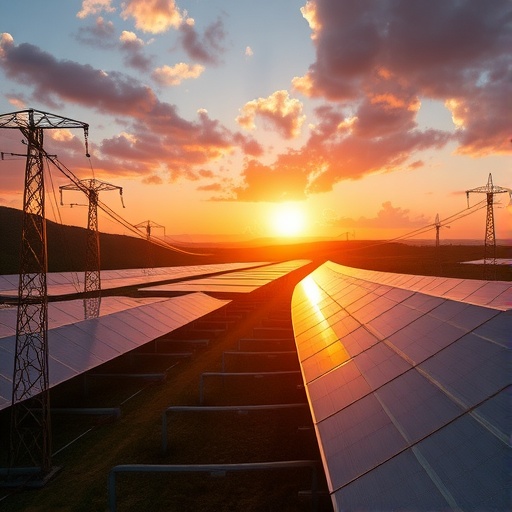
In an era where technological advancement and environmental sustainability must go hand in hand, the intersection of artificial intelligence (AI) and renewable energy sources has emerged as a transformative frontier. Particularly within the context of solar-powered data centers, the implementation of AI is not merely a trend; it is a necessity for ensuring intelligent, sustainable, and resilient architectures. As data centers increasingly become the backbone of our digital economy, the quest for sustainable energy governance has never been more vital. The rise of AI-enhanced energy governance models for solar-powered data centers promises not only to optimize energy consumption but also to enhance operational efficiency and reduce carbon footprints.
The increasing reliance on data-driven solutions has pushed data centers into the spotlight as significant consumers of energy. Data centers currently account for a substantial share of global electricity consumption, and this trend is projected to continue. This surge in energy consumption has incited a critical need to reassess how these centers are powered and managed. Traditional energy governance models fall short when faced with the rapidly evolving demands of a digital society. Herein lies the potential role of artificial intelligence — serving as a catalyst for change in how we understand and implement energy governance.
By leveraging predictive analytics, AI can facilitate a shift from reactive to proactive energy management. This paradigm shift enables solar-powered data centers to not only forecast energy needs based on historical data but also to adjust operations dynamically based on real-time conditions. Imagine a scenario where solar energy generation is optimized based on weather predictions and energy consumption patterns. With AI algorithms processing vast amounts of sensory data, the efficiency of solar panels can be maximized, leading to significant reductions in energy wastage.
Moreover, the integration of AI into energy governance systems offers a remarkable opportunity for enhancing the resilience of solar-powered data centers. Natural disasters, fluctuations in energy supply, and unexpected demand spikes present significant challenges. AI-driven systems can assess these risks and develop contingency plans that equip data centers to adapt swiftly without compromising service reliability. By simulating various emergency scenarios and evaluating the potential impact on energy usage, data centers can maintain operational continuity even in the face of crises.
Sustainable practices are further reinforced through AI’s ability to analyze and optimize energy consumption patterns. Solar-powered data centers equipped with AI technologies can track energy usage in real-time, allowing for immediate adjustments to be made. Machine learning models can identify trends in energy consumption, subsequently providing actionable insights that improve operational sustainability. Such advancements not only support the environment by minimizing reliance on non-renewable energy sources but also enhance the overall operational budget for data center operators.
As we delve deeper into the advantages of AI-enhanced energy governance, it is crucial to acknowledge the current challenges that accompany this transformative wave. The initial costs associated with the installation and programming of AI systems can be significant. However, an analysis of long-term savings reveals the economic sense of investing in AI technologies for energy governance. Over time, the operational savings achieved through optimized energy usage and the reduction in peak demand charges can far outweigh the upfront investment.
Beyond economic advantages, the social implications of implementing AI in energy governance cannot be overlooked. The success of solar-powered data centers hinges not only on technological innovation but also on public perception and policy. The integration of AI can promote transparency in energy management, fostering a collaborative environment in which stakeholders can readily discern energy usage patterns and sustainability metrics. This heightened awareness can lead to increased public support for renewable energy initiatives, effectively laying the groundwork for broader societal shifts toward sustainability.
It is also essential to recognize the role of regulatory frameworks in facilitating or hindering the adoption of AI technologies in energy governance. Policymakers must consider the implications of emerging technologies and work to establish guidelines that promote innovation while ensuring the safe and effective integration of AI into energy management systems. Establishing best practices will ensure that data centers can harness the full potential of AI without running afoul of existing regulations or sustainability goals.
Moving forward, the research community is poised to play a pivotal role in advancing the discourse surrounding AI in energy governance. Academic studies and industry reports will illuminate best practices, and evolving case studies will showcase innovative applications of AI technologies across diverse operational scenarios. As more data centers integrate AI-driven governance models, the cumulative knowledge generated from these experiences will serve to guide future implementations, benefiting the entire industry.
Looking ahead, the year 2026 promises a robust landscape for AI-enhanced energy governance. The convergence of AI and renewable energy is expected to create novel synergies, reinforcing solar-powered data centers as critical players in a sustainable energy future. As research continues to unveil the effectiveness of AI in energy management, stakeholders from all sectors must collaborate to ensure that these advancements are implemented equitably and sustainably.
By embracing AI-driven energy governance strategies, solar-powered data centers can become exemplars of resilience, sustainability, and efficiency. The insights drawn from the impending research findings can not only optimize the functioning of data centers but also contribute significantly to global sustainability efforts. As the technology evolves, we stand at the threshold of unprecedented opportunities to reshape energy systems, paving the way for smart, renewable, and resilient architectures that address the needs of our modern digital era while safeguarding our planet for future generations.
Through proactive measures and innovative technology, we can redefine energy governance and build a future where data centers operate within sustainable paradigms. By prioritizing AI-driven strategies today, we set the foundation for resilient infrastructures capable of adapting to environmental shifts, thereby fostering a sustainable and intelligent global economy.
Subject of Research: AI enhanced energy governance for solar powered data centers
Article Title: AI enhanced energy governance for solar powered data centers toward intelligent sustainable and resilient architectures
Article References:
Ali, Q.I. AI enhanced energy governance for solar powered data centers toward intelligent sustainable and resilient architectures.
Discov Artif Intell (2026). https://doi.org/10.1007/s44163-025-00823-7
Image Credits: AI Generated
DOI:
Keywords: Energy governance, AI, solar-powered data centers, sustainability, resilience


