


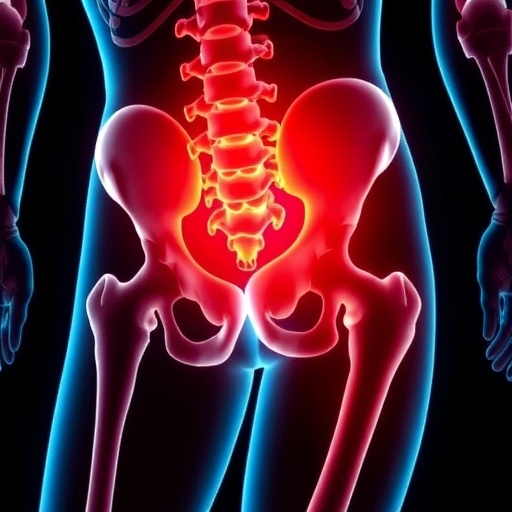
In recent advancements within the field of regenerative medicine, researchers from Lehigh University have shed light on the composition of bone marrow aspirate concentrate (BMAC) sourced from different extraction sites. BMAC is increasingly recognized as an effective treatment for various joint injuries, leveraging the innate healing capabilities of stem cells and growth factors found within bone marrow. Colin Herna, a bioengineering PhD student, has taken the lead on a groundbreaking study revealing significant differences in the protein composition of bone marrow obtained from the hip compared to that from the shoulder.
The clinical application of BMAC involves an invasive yet crucial procedure, where bone marrow—often harvested from the iliac crest of the hip—is concentrated to preserve the aforementioned therapeutic components. These components are then strategically injected into injury sites to accelerate tissue repair and mitigate inflammation. Often utilized in conjunction with surgical interventions, such as repairs of anterior cruciate ligament (ACL) or meniscus tears, BMAC is a versatile option for enhancing recovery.
Herna articulated that while the therapeutic potentials of BMAC are well established, the intricacies of what precisely is being injected remain somewhat murky. His research endeavors to illuminate this “black box” by comparing bone marrow samples extracted from two distinct anatomical sites—specifically, the hip and the shoulder. This comparison was undertaken to determine whether the marrow drawn from the shoulder could provide comparable benefits to that harvested from the more commonly utilized hip extraction site.
To facilitate this comparative study, Herna and his research team employed sophisticated machine learning algorithms to screen an extensive array of 109 unique proteins contained within the sampled bone marrow. The application of these models allowed them to assess the relevance of each protein, ultimately identifying overlapping results between the two extraction sites. This analytical approach was pivotal in showcasing that, while hip and shoulder marrow samples shared many biological components, they differed significantly in their concentrations—a difference that could have crucial implications for treatment outcomes.
Further exploration indicates that the distinct microenvironments present in the hip and shoulder bones may contribute to these observed variances in protein composition. The impact of such differences is profound, as it suggests that even minute variations in protein levels could influence the effectiveness of BMAC therapies during the healing process. Herna emphasized that these nuances are critical, as they may dictate the regenerative capabilities of the treatment based on the specific anatomical site used for extraction.
The research illustrates the potential necessity for standardizing BMAC extraction protocols, as variances in kits and procedural techniques often result in inconsistent stem cell and growth factor concentrations. By introducing a machine learning framework, Herna’s study aims to standardize the analysis of BMAC and other biological substances, providing a comprehensive method for medical professionals to evaluate and optimize the therapeutic use of biological tissues.
Additionally, the implications of this research extend toward the personalization of regenerative medicine. By gaining a deeper understanding of the specific proteins present in BMAC, physicians might have the ability to tailor treatment plans. Extraction site choice could evolve into a more patient-focused decision, based on demographics such as age, sex, and lifestyle, ultimately enhancing the efficacy of treatments across a diverse patient population.
Colin Herna’s work, under the guidance of his advisor Sabrina Jedlicka, is not only positioning itself at the forefront of bioengineering research but also merges data science with biomedical applications. Herna anticipates that the skills and insights gained from applying machine learning to biological datasets will have far-reaching consequences across various research fields. He noted that the capacity to navigate and interpret complex information is invaluable, reinforcing the importance of data proficiency in contemporary scientific inquiry.
As Herna continues on his path toward completing his doctoral studies and intends to delve further into quantitative research methods, the potential advancements in BMAC research promise to considerably shift current practices in regenerative therapies. This paradigm shift could lead to innovations that harness the body’s natural healing processes more effectively, all while establishing a more personalized approach to medicine.
With ongoing investigations concerned with demographic influences on biological variability, researchers like Herna are paving the way for a future where regenerative medicine is not only informed by general therapeutic properties but is also customized to meet the unique needs of individual patients. This focus on tailored care is a welcomed evolution in the pursuit of optimal health outcomes in regenerative therapies.
As the field progresses, research stemming from this study will undoubtedly enthrall fellow scientists and medical professionals alike, inspiring a wave of advancements aimed at understanding and leveraging the power of our body’s own healing mechanisms. The interplay between artificial intelligence and biology offers a tantalizing glimpse into the future of personalized medicine, where informed decisions based on concrete data will govern treatment modalities.
Keywords
Cite Scienmag News
Denise Maddox. (October 20, 2025). Site-Specific Insights: The Role of Bone Marrow in Joint Repair at the Hip vs. Shoulder. Scienmag. https://scienmag.com/site-specific-insights-the-role-of-bone-marrow-in-joint-repair-at-the-hip-vs-shoulder/
Denise Maddox. "Site-Specific Insights: The Role of Bone Marrow in Joint Repair at the Hip vs. Shoulder." Scienmag, 20 October 2025, https://scienmag.com/site-specific-insights-the-role-of-bone-marrow-in-joint-repair-at-the-hip-vs-shoulder/. Accessed 4 September 2026.
Denise Maddox. "Site-Specific Insights: The Role of Bone Marrow in Joint Repair at the Hip vs. Shoulder." Scienmag. October 20, 2025. https://scienmag.com/site-specific-insights-the-role-of-bone-marrow-in-joint-repair-at-the-hip-vs-shoulder/


