

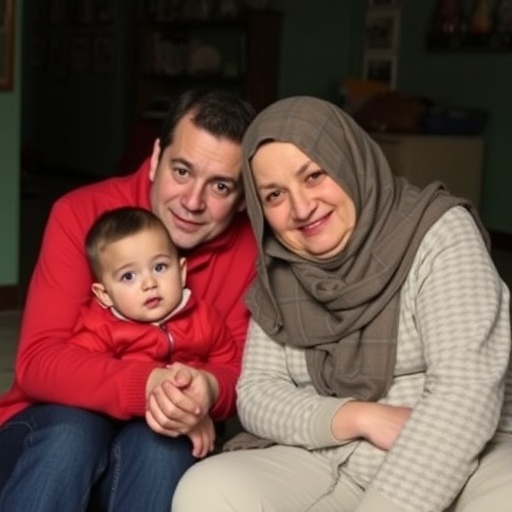
In recent years, the discussions surrounding single-parent families have undertaken new dimensions, especially in the context of significant societal upheavals. The COVID-19 pandemic and the devastating earthquakes in Turkey in 2023 have highlighted the vulnerabilities and resilience of single-parent families. Researchers Güngör and Haskan Avcı delve into this pressing issue in their upcoming study titled “From Strains to Strengths: Challenges and Adaptation of Single-Parent Families in Turkey Across Everyday Life and Crisis.” This examination aims to illuminate not only the difficulties faced by these families but also the unique strengths that emerge in times of adversity.
The research specifically investigates how single-parent families in Turkey have been affected by the dual crises of a global pandemic and natural disasters. The challenges faced by these families are manifold. They include financial instability, emotional stress, and the logistical difficulties of managing household responsibilities alone. The pandemic exacerbated these situations, often limiting access to communal support systems and resources that are critical during times of need. As schools shifted to online learning and social gatherings were restricted, many single parents found themselves isolated and overwhelmed.
In contrast, the earthquakes of 2023 further added layers of complexity to the existing challenges. The destruction of housing and community structures displaced countless families, including many single parents who struggled to find safe shelter and consistent access to basic needs. The combination of a pandemic, which imposed a health crisis, and the earthquakes, which represented a physical and logistical crisis, created a perfect storm of adversity for these families. Yet, mirroring the pain was an outpouring of community solidarity and innovation in coping strategies.
The resilience displayed by single-parent families during these crises is a central theme of the study. The authors argue that crises often serve as catalysts for change, pushing families to adapt and develop new strategies for survival. This adaptability was evident in the ways parents restructured their day-to-day routines and learned to rely on themselves and their immediate social circles, forming “families of choice” with friends and neighbors who stepped in as support systems.
Moreover, the study highlights the emotional and psychological impacts of these challenges. Single parents often carry the burden of their children’s emotional well-being, navigating their own struggles while simultaneously providing support. The research indicates that many single parents found ways to foster resilience within their children, helping them cope with both the pandemic and the aftermath of natural disasters. These moments of bonding and shared strength became pivotal, often enabling families to emerge from hardships with a renewed sense of purpose.
Additionally, the authors investigate the socio-economic implications for single-parent households. With job losses and reduced income during the pandemic, many single parents faced increased economic strain. The lack of constant financial support led to a reevaluation of budgeting and resource allocation, forcing families to become more resourceful and innovative. The research presents compelling evidence that a crisis can lead to a different kind of vulnerability, but also an extraordinary capacity for resilience and adaptation.
The dual crises served not only to highlight weaknesses but also to unveil the hidden strengths within single-parent families. The study details various coping mechanisms adopted, ranging from emotional support networks to practical parenting strategies. For example, mutual aid groups emerged, where single parents exchanged resources, shared childcare responsibilities, and provided emotional support. These collective strategies significantly mitigated the isolating effects of both the pandemic and the earthquakes, showcasing the power of community in addressing adversities.
Another aspect explored by Güngör and Haskan Avcı is the changing perception of single-parent families within society. Societal perspectives can significantly impact the experiences of these families. The crises elicited a shift in public opinion, leading to increased awareness about the struggles faced by single-parent households. Through advocacy and storytelling, many single parents have taken to social media and community platforms to share their experiences, fostering solidarity and support.
As the study unfolds, it emphasizes the importance of providing adequate policy support for single-parent families, particularly in the context of crisis recovery. The necessity for targeted interventions—such as financial assistance, counseling services, and parental support programs—is underscored as an essential component of societal response to the needs of these families. By addressing these policy gaps, there is potential not only for individual recovery but for fostering societal resilience.
In looking ahead, the authors envision a future where single-parent families are not only recognized for their challenges but also celebrated for their strengths. By leveraging the insights gained from these recent crises, there is an opportunity to reshape societal narratives surrounding single-parenthood, promoting a more inclusive and supportive environment. This forward-thinking approach could lead to lasting change, ensuring that resources and support systems are designed to empower single-parent families in the face of future adversities.
In summary, Güngör and Haskan Avcı’s study is crucial for understanding the nuanced dynamics faced by single-parent families in Turkey. It portrays a landscape marred by challenges yet illuminated by resilience and adaptation. The findings prompt necessary dialogues about how society can better support these families—not just in times of crisis, but as an ongoing commitment to their welfare.
Moreover, this research encourages an examination of our collective attitudes toward parenting structures and how they can be refined to cater to the evolving landscape of family dynamics. In uncovering the stories of struggle and triumph, the study provides a framework for understanding the profound impact of crises on family life and the incredible strength that can emerge from adversity.
Subject of Research: Single-parent families in Turkey during crises.
Article Title: From Strains to Strengths: Challenges and Adaptation of Single-Parent Families in Turkey Across Everyday Life and Crisis (Covid-19 and the 2023 Earthquakes).
Article References:
Güngör, A., Haskan Avcı, Ö. From Strains to Strengths: Challenges and Adaptation of Single-Parent Families in Turkey Across Everyday Life and Crisis (Covid-19 and the 2023 Earthquakes).
J Child Fam Stud (2025). https://doi.org/10.1007/s10826-025-03214-9
Image Credits: AI Generated
DOI: https://doi.org/10.1007/s10826-025-03214-9
Keywords: single-parent families, resilience, crisis adaptation, societal support, Turkey.


