


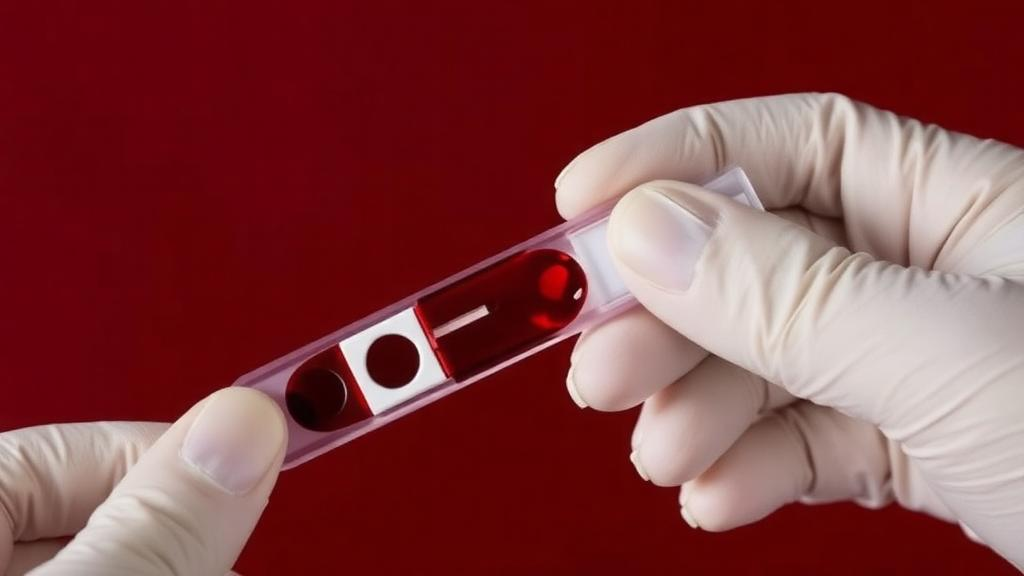
One of the most stubborn problems in forensic medicine may have just moved closer to a solution. A team of researchers from the All India Institute of Medical Sciences in Bhopal and Delhi has published a systematic review and meta-analysis in the International Journal of Legal Medicine showing that a single molecule measured in blood taken from corpses can identify sepsis as a cause of death with striking reliability. The molecule is procalcitonin, a peptide that surges in living patients when bacterial infection turns systemic, and the new pooled analysis reports a sensitivity of 91.0 percent and a specificity of 94.9 percent for postmortem blood measurements. In plain terms, the test correctly flags roughly nine out of ten sepsis deaths while wrongly implicating fewer than one in ten deaths from other causes. For a field that has long relied on ambiguous autopsy findings, those numbers are remarkable.
Sepsis is a catastrophic dysregulation of the body’s response to infection, and it remains one of the leading causes of death worldwide, yet confirming it as the actual cause of death after a person has died is notoriously difficult. Autopsy findings in sepsis are often nonspecific: congestion, edema, and inflammatory infiltrates can be seen in many conditions, and the organs of a person who died of sepsis may look deceptively normal, particularly if death came quickly. Postmortem microbiology is similarly treacherous, because bacteria begin colonizing the body within hours of death, a process known thanatomicrobiologists call postmortem bacterial translocation. Cultures taken from a corpse can therefore grow organisms that had nothing to do with the fatal illness. Forensic pathologists have consequently searched for decades for a biochemical signature that survives death and still tells the truth about what killed the person.
Procalcitonin emerged as a candidate because of its unusual biology. In healthy people, procalcitonin is produced almost exclusively by the C cells of the thyroid gland as a precursor of the hormone calcitonin, and circulating levels remain vanishingly low. During systemic bacterial infection, however, extra-thyroidal tissues throughout the body, including liver, lung, kidney, adipose tissue, and muscle, are induced to express the CALC-1 gene, and procalcitonin levels can climb by several orders of magnitude within a few hours. The molecule is not substantially degraded after death, and previous forensic studies have shown that it remains measurable and relatively stable across extended postmortem intervals. That stability is precisely what makes it attractive as a postmortem marker, since bodies do not always arrive at the morgue promptly and decomposition begins immediately.
The new analysis, led by Aswini Chandran and colleagues, was rigorous in its design. The team searched four major databases, PubMed, Scopus, ScienceDirect, and the Cochrane Library, for studies that evaluated procalcitonin levels in postmortem samples. Eleven studies met the inclusion criteria, and eight of them provided sufficient data for pooled statistical analysis. Rather than relying on simple pooling alone, the researchers applied two sophisticated models designed specifically for diagnostic accuracy synthesis: the Reitsma bivariate random-effects model and the hierarchical summary receiver operating characteristic, or HSROC, analysis. These methods account for the trade-off between sensitivity and specificity that shifts with each study’s chosen cutoff value, producing a more honest picture of overall test performance than older univariate approaches.
The headline result was an area under the curve of 0.937 on the HSROC analysis, a figure that places postmortem procalcitonin firmly in the category of clinically excellent diagnostic tests. On the standard scale used in diagnostic medicine, an area under the curve of 0.5 indicates a test no better than a coin flip, while 1.0 represents perfect discrimination. Values above 0.9 are considered outstanding and are rarely achieved by biomarkers in any setting, let alone in the chaotic conditions of the autopsy suite. The researchers also noted that the marker’s performance held up robustly across variable postmortem intervals, meaning the test did not lose its discriminating power simply because a body had been dead for longer before sampling.
Sample choice mattered, however. Most of the included studies relied on peripheral blood, typically drawn from the femoral vein, which has become the standard site for postmortem biochemistry because it is far from the torso and therefore less contaminated by bacteria that translocate from the gut after death. Some studies instead measured procalcitonin in alternative matrices, including pericardial fluid, cerebrospinal fluid, and even the aqueous humour of the eye. Earlier work by the same research groups represented in the analysis, including studies by Palmiere, Schrag, and Schmidt, had explored these fluids as proxies when blood is unavailable or unsuitable, and the new review confirms that peripheral blood remains the preferred and best-validated choice for collection.
The history of this biomarker in forensic medicine stretches back more than two decades. Procalcitonin was first recognized as a marker of severe infection in the early 1990s, when Assicot and colleagues reported high serum concentrations in patients with sepsis in The Lancet. Forensic applications followed quickly: in 2001, Tsokos and Püschel published a landmark study in the International Journal of Legal Medicine demonstrating that serum procalcitonin could serve as a valuable biochemical parameter for the postmortem diagnosis of sepsis. Subsequent studies added C-reactive protein, interleukin-6, tumor necrosis factor alpha, lipopolysaccharide-binding protein, and soluble TREM-1 to the panel of candidate markers, but procalcitonin consistently emerged as one of the strongest single performers. The new meta-analysis is the first to formally synthesize this scattered literature with modern diagnostic accuracy methods.
The authors are careful to acknowledge the limitations of their evidence base. Only eight studies entered the pooled analysis, a small number that limited the statistical power of funnel plot interpretation, the standard tool for detecting publication bias. The included studies also showed heterogeneity in the assays used to measure procalcitonin and in the cutoff values chosen to define a positive result, which is why the researchers call for standardized thresholds in future work. They also emphasize that procalcitonin should never be interpreted in isolation: the biomarker is most powerful when correlated with autopsy findings, histopathology, and postmortem microbiology, forming a triangulated diagnosis rather than a single-molecule verdict.
Even with those caveats, the implications for forensic practice are significant. Sepsis-related deaths are frequently underrecognized, particularly when people die outside hospitals, and misclassification has consequences for mortality statistics, epidemiological surveillance, and legal proceedings ranging from insurance disputes to criminal investigations. A cheap, rapid, and reliable blood test that can be performed on femoral blood during a routine autopsy could transform the diagnostic workup of suspected infection deaths, much as postmortem biochemistry has already improved the detection of diabetic ketoacidosis and electrolyte disturbances. The researchers conclude that procalcitonin is a promising biomarker for forensic diagnostic practice and call for validation across different biological sample types and standardized cutoff values. If those follow-up studies confirm the pooled figures, the humble peptide once known only as a thyroid hormone precursor may become one of the most important tools in the mortuary, giving a voice to the dead about the infection that silenced them.
Subject of Research: Diagnostic accuracy of postmortem blood procalcitonin for identifying sepsis as a cause of death
Article Title: Postmortem Blood Procalcitonin (PCT) for identifying sepsis as a cause of death: a systematic review and meta-analysis
Article References: Chandran, A., Khadanga, S., Gupta, A., Chhabra, D., Kori, A., Lokhande, L., Sangita, M., Agrawal, A., & Arora, A. (2026). Postmortem Blood Procalcitonin (PCT) for identifying sepsis as a cause of death: a systematic review and meta-analysis. International Journal of Legal Medicine. https://doi.org/10.1007/s00414-026-03988-7
Image Credits: AI Generated
DOI: 10.1007/s00414-026-03988-7
Keywords: procalcitonin, sepsis, postmortem diagnosis, forensic pathology, biomarker, meta-analysis, autopsy, diagnostic accuracy, forensic medicine, blood test, International Journal of Legal Medicine, Postmortem
Cite Scienmag News
Ophelia Keating. (October 4, 2026). Simple Blood Test Could Reveal When Sepsis Kills, Even After Death. Scienmag. https://scienmag.com/simple-blood-test-could-reveal-when-sepsis-kills-even-after-death/
Ophelia Keating. "Simple Blood Test Could Reveal When Sepsis Kills, Even After Death." Scienmag, 4 October 2026, https://scienmag.com/simple-blood-test-could-reveal-when-sepsis-kills-even-after-death/. Accessed 4 October 2026.
Ophelia Keating. "Simple Blood Test Could Reveal When Sepsis Kills, Even After Death." Scienmag. October 4, 2026. https://scienmag.com/simple-blood-test-could-reveal-when-sepsis-kills-even-after-death/


