Friday, October 30, 2026
Science
No Result
View All Result
  • Login
  • HOME
  • SCIENCE NEWS
  • CONTACT US
  • HOME
  • SCIENCE NEWS
  • CONTACT US
No Result
View All Result
Scienmag
No Result
View All Result
Home Science News Agriculture

Silicon Supplement Helps Jasmine Plants Withstand Drought, Study Finds

October 29, 2026
in Agriculture
Juliet Wilcox
By Juliet Wilcox Scienmag Editorial Profile - Human Genetics
Reading Time: 3 mins read
0
Silicon Supplement Helps Jasmine Plants Withstand Drought, Study Finds

Silicon Supplement Helps Jasmine Plants Withstand Drought, Study Finds

65
SHARES
587
VIEWS
Share on FacebookShare on Twitter
ADVERTISEMENT

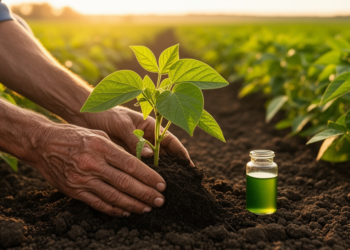
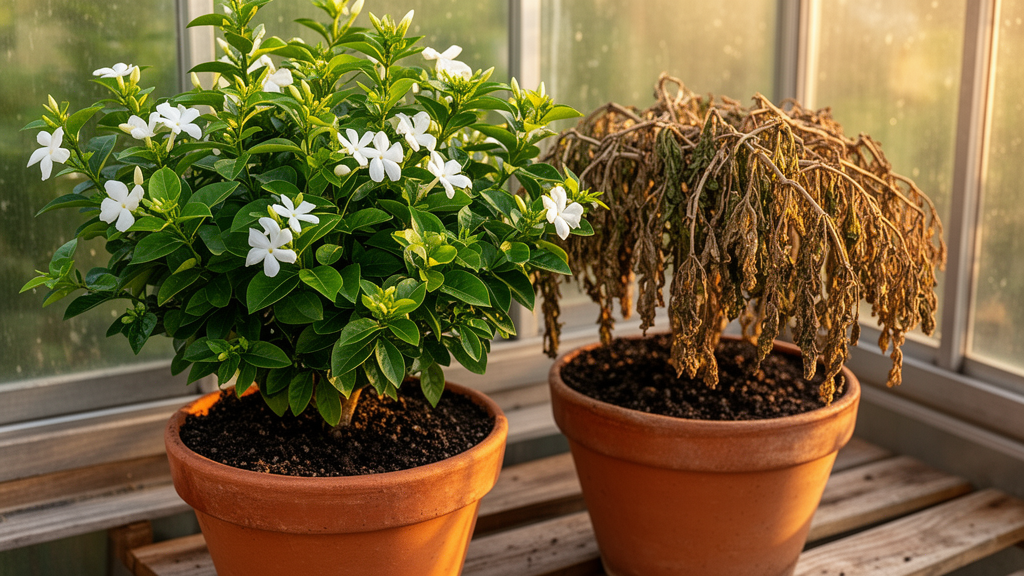
Jasmine (Jasminum sambac), the fragrant ornamental shrub widely cultivated in India for its flowers and essential oil, suffers when water runs short. Drought can impair photosynthesis, disrupt metabolism and cut flowering performance, which matters in a crop grown for the cosmetic and pharmaceutical industries. A new study from researchers at Vellore Institute of Technology reports that a single pre-treatment with sodium metasilicate, a soluble form of silicon, was associated with markedly better physiological and biochemical responses in drought-stressed jasmine plants, including a significantly higher fresh flower weight than in plants that endured drought without supplementation.

The experiment compared four treatment groups: well-watered control plants, drought-stressed plants, drought-stressed plants given 5 mM sodium metasilicate (D+Si), and plants given 5 mM sodium metasilicate alone. The silicon supplement was applied once, as a soil drench, before drought was imposed. The researchers then measured physiological parameters, the activities of key antioxidant enzymes, fresh flower weight, the profiles of thylakoid membrane protein complexes in the chloroplast, and the relative expression of putative drought-responsive genes and silicon transporter genes.

Several physiological parameters differed significantly between the D+Si plants and the drought-stressed plants that received no silicon, according to the study published in Frontiers in Horticulture. In other words, the silicon-treated plants did not simply look better; measurable aspects of their physiology shifted in ways consistent with improved tolerance of water deficit.

A central part of the story involves antioxidant enzymes. In the study, the activities of superoxide dismutase (SOD), catalase (CAT) and ascorbate peroxidase (APX) were significantly modulated by sodium metasilicate supplementation under drought conditions.

The photosynthetic machinery also showed changes.

At the molecular level, the treatment was linked to changes in the relative expression of putative drought-responsive genes and silicon transporter genes. Because these genes were identified as putative responders rather than functionally validated targets, the authors frame this as an association with tolerance mechanisms rather than a complete causal pathway. Still, the combination of physiological, biochemical, proteomic and gene-expression evidence points in the same direction: silicon appears to interact with multiple layers of the plant’s drought response.

The most economically relevant result concerns yield. Fresh flower weight was significantly higher in the D+Si plants than in the drought-stressed plants, meaning the supplemented plants produced heavier flowers despite facing the same water limitation.

The authors conclude that sodium metasilicate supplementation improved physiological and biochemical responses and increased flower yield under drought conditions in J. sambac, suggesting it may help mitigate the adverse effects of drought and support flower production in this ornamental crop. Because the treatment was applied once before drought onset, the approach would require growers to anticipate stress rather than react to it, and the reported effects are associations observed in this experimental system.

Whether the same single-drench protocol delivers comparable benefits across seasons, soils and cultivation systems remains to be tested, but for now the evidence indicates that a modest silicon intervention shifted how this fragrant ornamental coped with one of agriculture’s most common stresses.

Subject of Research: Effects of sodium metasilicate supplementation on drought-stressed jasmine plants

Article Title: Silicon modulates drought stress and enhances tolerance by improving physiology and key gene regulations in jasmine (Jasminum sambac L.)

Article References: Lesharadevi, K., Parthasarathi, T., & Muneer, S. (2026). Silicon modulates drought stress and enhances tolerance by improving physiology and key gene regulations in jasmine (Jasminum sambac L.). Frontiers in Horticulture, 5, 1964842. https://doi.org/10.3389/fhort.2026.1964842

Image Credits: AI Generated

DOI: 10.3389/fhort.2026.1964842

Keywords: jasmine, drought stress, silicon, sodium metasilicate, antioxidant enzymes, flower yield, gene expression, chloroplast proteome, plant physiology, ornamental crops, modulates, drought

Cite Scienmag News

Juliet Wilcox. (October 29, 2026). Silicon Supplement Helps Jasmine Plants Withstand Drought, Study Finds. Scienmag. https://scienmag.com/silicon-supplement-helps-jasmine-plants-withstand-drought-study-finds/

Juliet Wilcox. "Silicon Supplement Helps Jasmine Plants Withstand Drought, Study Finds." Scienmag, 29 October 2026, https://scienmag.com/silicon-supplement-helps-jasmine-plants-withstand-drought-study-finds/. Accessed 30 October 2026.

Juliet Wilcox. "Silicon Supplement Helps Jasmine Plants Withstand Drought, Study Finds." Scienmag. October 29, 2026. https://scienmag.com/silicon-supplement-helps-jasmine-plants-withstand-drought-study-finds/

Tags: antioxidant enzyme activity in drought-stressed jasmineantioxidant enzymesbiochemical effects of silicon on jasminechloroplast protein profile changes under droughtchloroplast proteomedroughtdrought stressdrought stress mitigation in ornamental plantsflower yieldgene expressionimpact of silicon on jasmine flower weightjasminejasmine cultivation for pharmaceutical and cosmetic industriesjasmine plant physiological response to droughtmodulatesornamental cropsplant physiologyrole of silicon in plant stress physiologysiliconSilicon supplement for drought resistance in jasmine plantssilicon transporter gene expression in jasminesilicon-mediated drought tolerance mechanismssodium metasilicatesodium metasilicate soil drench for drought tolerance
Share26Tweet16
Previous Post

Rare EBV-Positive Lymphoma Masqueraded as Advanced Mycosis Fungoides Progression

Next Post

Physics-guided AI predicts tunnel deformation from nearby foundation pit excavation

Related Posts

Freeze-Dried Chips Made from Discarded Prawns Win the Taste Test
Agriculture

Freeze-Dried Chips Made from Discarded Prawns Win the Taste Test

October 30, 2026
European farmers split on agroforestry as policy support proves decisive
Agriculture

European farmers split on agroforestry as policy support proves decisive

October 30, 2026
Microalgae Triple Team Beats Bean Damping-Off and Boosts Yields in Egyptian Field Trials
Agriculture

Microalgae Triple Team Beats Bean Damping-Off and Boosts Yields in Egyptian Field Trials

October 30, 2026
Robot Hand Mimics Human Fingers to Pick Chili Peppers Without Damage
Agriculture

Robot Hand Mimics Human Fingers to Pick Chili Peppers Without Damage

October 30, 2026
Food loss in smallholder farms may be a coordination failure, not a technical one
Agriculture

Food loss in smallholder farms may be a coordination failure, not a technical one

October 30, 2026
By-product feeds from cocoa, coconut and rice could cut methane in ruminant diets
Agriculture

By-product feeds from cocoa, coconut and rice could cut methane in ruminant diets

October 30, 2026
Next Post
Physics-guided AI predicts tunnel deformation from nearby foundation pit excavation

Physics-guided AI predicts tunnel deformation from nearby foundation pit excavation

  • Mothers who receive childcare support from maternal grandparents show more optimized

    Mothers who receive childcare support from maternal grandparents show more parental warmth, finds NTU Singapore study

    27656 shares
    Share 11059 Tweet 6912
  • University of Seville Breaks 120-Year-Old Mystery, Revises a Key Einstein Concept

    1061 shares
    Share 424 Tweet 265
  • Bee body mass, pathogens and local climate influence heat tolerance

    682 shares
    Share 273 Tweet 171
  • Researchers record first-ever images and data of a shark experiencing a boat strike

    546 shares
    Share 218 Tweet 137
  • Groundbreaking Clinical Trial Reveals Lubiprostone Enhances Kidney Function

    531 shares
    Share 212 Tweet 133
Science

Embark on a thrilling journey of discovery with Scienmag.com—your ultimate source for cutting-edge breakthroughs. Immerse yourself in a world where curiosity knows no limits and tomorrow’s possibilities become today’s reality!

RECENT NEWS

  • Microbial Sources and Stress Shape the Hidden Endophytes of an Invasive Plant
  • Firebreaks Leave Lasting Scars in Grasslands While Wildfire Heals Fast
  • Regularisation and voluntary return reproduce precarity for irregularised migrants in Spain and the UK
  • ZNF207 shields glutamine transporter ASCT2 from degradation to fuel liver cancer growth

Categories

  • Agriculture
  • Anthropology
  • Archaeology
  • Athmospheric
  • Biology
  • Biotechnology
  • Blog
  • Bussines
  • Cancer
  • Chemistry
  • Climate
  • Earth Science
  • Editorial Policy
  • Marine
  • Mathematics
  • Medicine
  • Pediatry
  • Policy
  • Psychology & Psychiatry
  • Science Education
  • Science News
  • Social Science
  • Space
  • Technology and Engineering

Subscribe to Blog via Email

Enter your email address to subscribe to this blog and receive notifications of new posts by email.

Join 5,151 other subscribers

© 2025 Scienmag - Science Magazine

Welcome Back!

Login to your account below

Forgotten Password?

Retrieve your password

Please enter your username or email address to reset your password.

Log In
No Result
View All Result
  • HOME
  • SCIENCE NEWS
  • CONTACT US

© 2025 Scienmag - Science Magazine

Discover more from Science

Subscribe now to keep reading and get access to the full archive.

Continue reading