


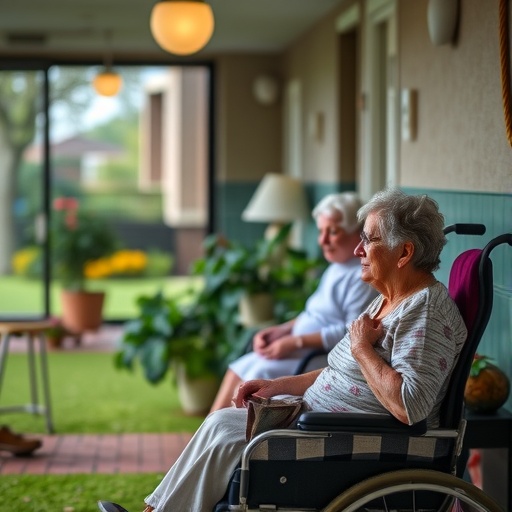
In the realm of geriatric care, understanding the nuanced signs of impending death among older adults, especially those in nursing homes, remains a critical area of research. The recently published study by Åvik Persson, Sandgren, and Fürst offers profound insights into this delicate subject. It explores the early and late indicators of dying as observed by multidisciplinary teams within nursing home environments. Given the complexity of aging and the variability of medical conditions affecting the elderly, recognizing the signs that precede death is not merely an academic exercise; it is a necessity for providing compassionate and personalized care.
The study underscores the importance of training nursing staff and caregiving teams to recognize both physiological and psychological changes that may signify a decline in health. These signs aren’t always straightforward and can vary significantly among individuals. For instance, while one person might exhibit a gradual loss of appetite, another may show changes in cognitive function or increased lethargy. The multidisciplinary approach taken by the study illuminates how collaborative observations by doctors, nurses, social workers, and therapists can paint a more complete picture of an individual’s health status.
One of the more intriguing aspects of the research is how it offers insights into the subjective experiences of elderly patients. For those living in nursing homes, the quality of life often fluctuates dramatically as they approach the end of their days. The study identifies a range of emotional states that may coincide with physical decline, including anxiety and withdrawal, which can exacerbate their condition. Understanding these emotional indicators is vital for enhancing communication and providing emotional support to both patients and their families during this challenging time.
In examining the multidisciplinary team’s perspective, the study also touches upon the vital role of communication among caregivers. Integrated teams that share information and observations can better assess the changing needs of older adults. This collaborative environment minimizes the risk of oversight, which can have serious implications for patient care. The research suggests that regular team meetings dedicated to discussing individual cases can foster an atmosphere of shared responsibility and proactive care.
The researchers emphasize that the timing of interventions based on these signs is paramount. Identifying the transition from early to late signs can guide medical professionals in making informed decisions regarding treatment options and end-of-life care. For instance, a patient exhibiting signs that indicate imminent death may require a shift in focus from curative treatments to palliative care, which prioritizes comfort and quality of life. This not only respects the wishes of the patient but also aids families in making decisions that align with their values.
Additionally, the physical setting of nursing homes can influence how easily these signs are observed and interpreted. Environmentally, settings that encourage interaction and engagement can lead to more attentive caregiving. On the flip side, if staff are overwhelmed or if the physical space is poorly designed, critical signs might be overlooked. Creating a supportive environment that facilitates care can enhance the ability to capture these early and late indicators effectively.
Cultural competency also plays a significant role in how signs of decline are perceived. The research highlights differences in attitudes and beliefs surrounding death and dying across various cultures, which can impact both the patient’s experience and the caregivers’ responses. Training staff to recognize and honor these cultural differences can pave the way for more sensitive and respectful approaches to end-of-life care.
The findings in this study do not just apply to nursing homes but extend to geriatric care in various settings, including hospitals and at-home care. As health systems increasingly shift toward patient-centered care, incorporating the insights from this research could help redefine approaches to managing the complexities of aging and dying. It creates opportunities for healthcare institutions to revise their training programs, ensuring that caregivers are equipped to recognize the holistic needs of their patients.
Moreover, public awareness campaigns aimed at educating society about the dying process among older adults can significantly impact how families approach discussions of death and dying. By demystifying these processes and normalizing conversations about mortality, society can empower families to engage more openly with the healthcare system and advocate for their loved ones.
The implications of this research are profound, particularly as the aging population continues to grow worldwide. With more individuals requiring support in their later years, healthcare systems must adapt to meet these changing needs. This study advocates for a shift toward multidisciplinary collaboration and training as cornerstones in enhancing care for older adults. By recognizing and addressing the signs that precede dying, caregivers can provide more humane and dignified care.
The research also raises important questions regarding policy and ethical considerations in geriatric care. As healthcare providers grapple with limited resources and staffing shortages, it is crucial that they prioritize training in recognizing the signs of decline. This must be accompanied by systemic changes that support holistic, patient-centered care models, thereby ensuring that older adults receive the respect and dignity they deserve during their final days.
The call for further research is also evident, as much remains to be explored in this field. Future studies could investigate longitudinal outcomes based on how well caregivers detect and respond to these signs. Additionally, examining the impact of such interventions on family satisfaction and experiences could provide further insights into best practices for end-of-life care.
As we navigate the often challenging landscape of aging and dying, this study serves as a beacon for progress. By focusing on the insights from multidisciplinary teams, we can move toward a more informed, compassionate, and collaborative approach to caring for older adults. The pursuit of knowledge in identifying early and late signs of dying will not only enhance the care provided to individuals in nursing homes but will transform the societal understanding of death as a natural part of life.
In conclusion, the contributions of Åvik Persson, Sandgren, Fürst, and their team shine a light on the essential nature of recognizing the signs of dying among older adults in nursing homes. Their findings compel healthcare professionals to prioritize multidisciplinary communication and collaboration, ensuring that older patients receive
Cite Scienmag News
Beatrice Stafford. (August 30, 2025). Signs of Approaching Death in Nursing Home Residents. Scienmag. https://scienmag.com/signs-of-approaching-death-in-nursing-home-residents/
Beatrice Stafford. "Signs of Approaching Death in Nursing Home Residents." Scienmag, 30 August 2025, https://scienmag.com/signs-of-approaching-death-in-nursing-home-residents/. Accessed 4 September 2026.
Beatrice Stafford. "Signs of Approaching Death in Nursing Home Residents." Scienmag. August 30, 2025. https://scienmag.com/signs-of-approaching-death-in-nursing-home-residents/


