


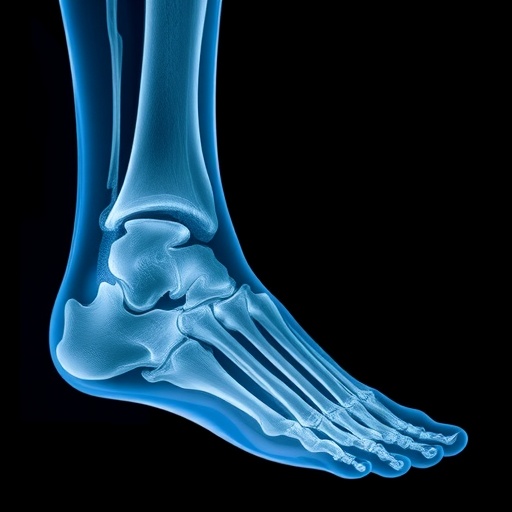
In recent years, a surge in awareness regarding the prevalence and implications of metatarsal fractures has reached both medical professionals and the general public. The metatarsals, five long bones located in the midfoot, play a crucial role in everyday mobility and weight-bearing activities. These bones are particularly vulnerable to fractures due to high-impact sports, severe missteps, or sometimes even non-impact-related stress, sparking significant interest in understanding their epidemiology.
A comprehensive study conducted in Shropshire from 2020 to 2023 sheds much-needed light on the patterns surrounding metatarsal fractures. Researchers, including Garton, Rowlands, and Roach, meticulously gathered data that could potentially alter the focus of preventive measures and treatment protocols within orthopedics. The study offers a wide-ranging analysis of various factors contributing to metatarsal fractures, providing insight that is critical for both health practitioners and patients alike.
The Shropshire study employed a retrospective analysis of clinical records, making it a robust investment of resources in understanding the demographics and mechanisms behind metatarsal injuries. By collating records over three years, a clearer picture emerges regarding the frequency and nature of these fractures, aiming to identify potential risk groups. This comprehensive approach not only increases statistical reliability but also enhances our understanding of regional factors that may contribute to the incidence of fractures.
Specifically, the researchers classified metatarsal fractures according to their causes. Most fractures were designated as either acute or stress fractures. Acute fractures typically resulted from significant traumas, such as sports injuries or falls. In contrast, stress fractures were often associated with chronic overuse, showcasing a need for better awareness and preventive strategies for individuals engaged in repetitive high-impact activities.
The demographic breakdown from the Shropshire cohort revealed striking trends that may alter preconceptions about who is at risk. Contrary to common assumptions, metatarsal fractures were not limited to elite athletes or older individuals; they spanned a broad spectrum of age groups, encompassing teenagers and young adults involved in various athletic endeavors. Furthermore, analysis showed a higher incidence rate among females compared to males, a trend that warrants a deeper investigation into factors including anatomical differences and physical activity levels.
Alongside demographic data, the study meticulously mapped out seasonal variations in fracture occurrences. Notably, most fractures occurred during the summer months, aligning with increased physical activity outdoors. This correlation indicates a potential area for public health intervention. Increased safety awareness and proper footwear education may offer substantial benefits to communities, thereby decreasing seasonal spikes in metatarsal injuries.
Moreover, the researchers emphasized the importance of not merely treating fractures but also understanding underlying risk factors. One critical component identified was the role of bone density, particularly in populations with lower mineral density, raising implications for screening and preventive measures. Post-menopausal women and older adults must be particularly educated on maintaining bone health, emphasizing that osteoporosis can significantly compound the risk of experiencing a metatarsal fracture.
Notably, the study’s findings are invaluable for healthcare professionals managing fracture cases more effectively. A more profound understanding of the epidemiology behind metatarsal fractures will shape treatment protocols and rehabilitation strategies. Personalized assessment and tailored post-fracture rehabilitation may significantly enhance recovery outcomes and prevent subsequent injuries.
The ramifications of this research extend beyond individual treatment plans, influencing policy-making within public health. By providing a clearer understanding of how social and sports-related factors contribute to these injuries, stakeholders and community leaders can better allocate resources for educational programs. Engaging in discussion on sports safety and injury prevention will be pivotal in reducing the rising incidence of metatarsal fractures.
In engaging with the local health system, finding effective methods to harness research insights into practice becomes paramount. Collaborative efforts between sports organizations, healthcare providers, and community advocates might yield significant strides toward minimizing metatarsal injuries. By creating platforms for dialogue and education, it may be possible to reach individuals who might otherwise go unaware of the risks associated with high-impact activities.
The exploration of potential genetic or lifestyle factors also forms a critical layer of this study. Understanding familial trends in fracture susceptibility could open avenues for early intervention strategies, especially in adolescents at risk of overuse injuries. The complexity of the human body and its responses to varied stressors invites further investigation into personalized care tailored to genetic predispositions.
To draw public attention to these findings, the study’s implications extend to both individual patients and broader healthcare systems. Aiming for viral dissemination, the results of this research provide compelling content that not only raises awareness but also equips individuals with actionable knowledge regarding prevention and treatment. Facilitating conversations around metatarsal injuries is paramount, as they encompass both physical and social dimensions of health.
Moving forward, continued investigation into metatarsal fractures will be essential in evolving care frameworks. The Shropshire study stands as a critical first step, paving the way for future research and intervention strategies. The importance of follow-up studies cannot be overstated, as ongoing monitoring of fracture trends will allow for real-time adjustments to preventative guidelines. It is essential for researchers and healthcare providers alike to remain vigilant in their pursuit of understanding how to best support individuals in preventing these debilitating injuries.
In conclusion, the groundbreaking findings emerging from the Shropshire study provide a wealth of knowledge that can reshape our understanding and approach to metatarsal fractures. By shedding light on epidemiological patterns, demographic insights, and injury mechanism, this research not only informs treatment strategies but also advocates for greater awareness and preventive measures across communities. Ultimately, the attention garnered by such studies can truly affect change, paving the way for healthier futures in mobility and activity.
Garton, M., Rowlands, J. & Roach, R. Epidemiology of metatarsal fractures in Shropshire 2020–2023.
Arch Osteoporos 20, 126 (2025). https://doi.org/10.1007/s11657-025-01603-7
Cite Scienmag News
Ophelia Keating. (January 23, 2026). Shropshire Metatarsal Fracture Study: 2020-2023 Insights. Scienmag. https://scienmag.com/shropshire-metatarsal-fracture-study-2020-2023-insights/
Ophelia Keating. "Shropshire Metatarsal Fracture Study: 2020-2023 Insights." Scienmag, 23 January 2026, https://scienmag.com/shropshire-metatarsal-fracture-study-2020-2023-insights/. Accessed 4 September 2026.
Ophelia Keating. "Shropshire Metatarsal Fracture Study: 2020-2023 Insights." Scienmag. January 23, 2026. https://scienmag.com/shropshire-metatarsal-fracture-study-2020-2023-insights/


