


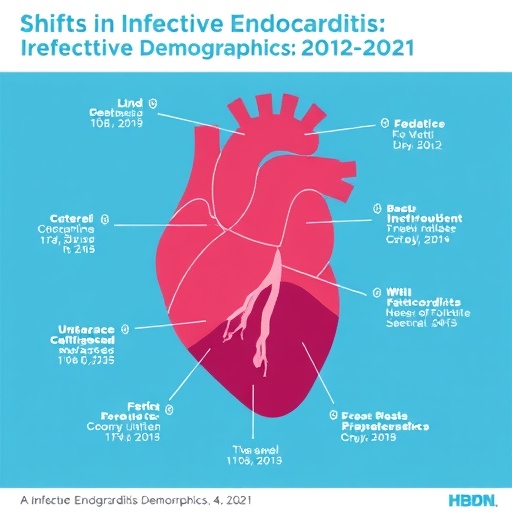
In a compelling exploration of a pressing health issue, a groundbreaking study conducted by Rushovich, Diez-Roux, Goldstein, and their team examines the intersectional demographic trends surrounding infective endocarditis among adults in the United States, spanning from 2012 to 2021. Infective endocarditis, an infection of the inner lining of the heart, represents a significant cause of morbidity and mortality in adults. This study provides updated and essential insights into the demographic shifts associated with this life-threatening condition, shedding light on the factors contributing to its increase.
The research addresses a crucial gap in existing literature by using comprehensive data sets, including electronic health records and national databases. These sources are instrumental in identifying variations across different populations, highlighting how sociodemographic factors intersect with disease prevalence. Endocarditis, often resulting from bacterial infections, poses varying risks depending on lifestyle, access to healthcare, and socioeconomic status. The insightful findings of this study highlight these critical disparities, emphasizing the need for targeted interventions and increased awareness within healthcare systems.
One of the key takeaways from the research is the pronounced rise in infective endocarditis cases over the past decade, as revealed through meticulous data analysis. Particularly concerning is the increased incidence among specific demographic groups, such as racial and ethnic minorities and older adults. The researchers employed sophisticated statistical techniques to project trends and identify the characteristics of those most affected. This trend raises alarms about health equity, urging stakeholders to address the systemic issues that might contribute to the disproportionate burden faced by these groups.
The mechanisms driving these demographic trends remain complex, as the researchers delve deeper into lifestyle factors and underlying comorbidities. For instance, the increasing prevalence of conditions like heart disease, diabetes, and substance use disorders continues to correlate with higher rates of infective endocarditis. By correlating these factors with demographic data, the study illustrates how intertwined social determinants of health can exacerbate vulnerabilities, ultimately leading to poor health outcomes.
Moreover, the researchers emphasize the urgent need for improved clinical guidelines that consider these demographic realities. The study advocates for enhanced screening programs and educational resources tailored to high-risk populations. With the increase in antibiotic resistance and the complexity of treating infective endocarditis, timely identification and treatment become paramount. The findings serve as a clarion call to the medical community and policymakers, capitalizing on this data to drive a paradigm shift in how infective endocarditis is approached.
Public health initiatives highlighting the importance of preventive care and accessible healthcare services are crucial steps forward. The study stresses the significance of outreach efforts to raise awareness about the symptoms of infective endocarditis, encouraging individuals to seek medical attention sooner. Educating at-risk communities about the potential impact of substance use and heart health is essential for reducing the incidence of this severe infection.
In terms of research methodology, the team leverages advanced epidemiological techniques to analyze the data effectively. By employing a mixed-methods approach, they can capture both quantitative data—such as hospitalization rates—and qualitative insights through interviews and surveys. This blend of data not only enhances the overall richness of the research but also enables a nuanced understanding of the lived experiences of individuals affected by endocarditis.
Furthermore, the study acknowledges the critical role of healthcare accessibility in influencing demographic trends. The disparities evident in the data underscore the importance of equitable access to healthcare resources. The researchers propose that improving healthcare infrastructure in underserved areas could dramatically influence the incidence of infective endocarditis. This finding aligns with broader discussions in public health about the need for systemic change to mitigate health disparities.
As the research indicates, the road ahead involves confronting deeply ingrained societal issues, such as poverty, lack of education, and subpar living conditions—factors that often dictate health outcomes. For instance, individuals from lower socioeconomic backgrounds may experience barriers to accessing preventive healthcare or timely treatment, ultimately contributing to higher rates of infective endocarditis. The study serves as a pivotal reminder of the roles society and systemic barriers play in health inequities.
In addressing these systemic disparities, the researchers highlight the need for multidisciplinary collaboration. By engaging various stakeholders—ranging from healthcare providers to community organizations—efforts can be made to implement comprehensive strategies that address both clinical needs and social determinants of health. The study illustrates how collaborative approaches can enhance the delivery of care and promote healthier outcomes for vulnerable populations.
In conclusion, the implications of this research extend far beyond academic discourse. The findings present a powerful call to action for both healthcare professionals and policymakers. As communities grapple with the growing burden of infectious diseases, focusing on the intersectionality of demographic factors is crucial for building a more equitable healthcare system. Understanding the evolving landscape of infective endocarditis is essential for developing effective prevention and intervention strategies tailored to meet the diverse needs of the population.
Ultimately, this study sets the groundwork for future research, emphasizing the importance of continued monitoring and exploration of demographic trends. The urgency to address these disparities resonates throughout the recommendations provided by the authors. Moving forward, a commitment to equity in healthcare will be paramount in combating the growing challenge of infective endocarditis, ensuring that no demographic is left behind in the pursuit of health improvement.
Cite Scienmag News
Ophelia Keating. (September 16, 2025). Shifts in Infective Endocarditis Demographics: 2012-2021. Scienmag. https://scienmag.com/shifts-in-infective-endocarditis-demographics-2012-2021/
Ophelia Keating. "Shifts in Infective Endocarditis Demographics: 2012-2021." Scienmag, 16 September 2025, https://scienmag.com/shifts-in-infective-endocarditis-demographics-2012-2021/. Accessed 4 September 2026.
Ophelia Keating. "Shifts in Infective Endocarditis Demographics: 2012-2021." Scienmag. September 16, 2025. https://scienmag.com/shifts-in-infective-endocarditis-demographics-2012-2021/


