

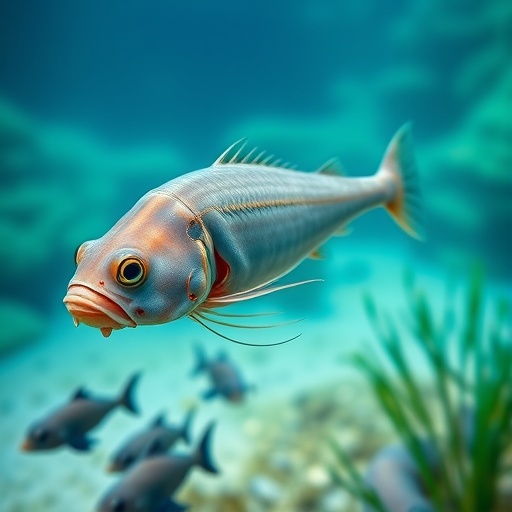
In a groundbreaking study published in Food Science and Biotechnology, a team of Korean researchers has unveiled a highly advanced method for identifying the species of imported shellfish using molecular genetics. From 2021 through 2023, the research group led by Hwang, Kwon, and Yeo has harnessed the power of the cytochrome c oxidase I (COI) gene to improve the accuracy and reliability of shellfish species detection. This study is poised to revolutionize the seafood import industry by enhancing traceability and ensuring authenticity in a way that has never been accomplished before.
The significance of this research cannot be overstated given the global complexities of seafood trade. Shellfish, including shrimp, mussels, and scallops, are often subject to mislabeling or fraudulent substitutions, which pose serious risks to consumer health, regulatory compliance, and ecological sustainability. Through comparative molecular species identification, this study offers a powerful diagnostic tool to combat these issues at a genetic level, transcending the limitations of traditional morphological identification techniques frequently used in commerce.
Central to the methodology is the targeting of the cytochrome c oxidase I (COI) gene, a mitochondrial marker widely recognized for its role in the DNA barcoding of animal species. The COI gene’s high degree of sequence variability among different species yet relative conservation within species makes it an ideal candidate for differentiating shellfish taxa with precision. The technique involves the extraction of DNA from imported samples followed by polymerase chain reaction (PCR) amplification of the COI region and subsequent sequencing. This molecular barcode can then be compared against comprehensive genetic databases to verify species identity conclusively.
The research conducted by Hwang and colleagues is particularly notable for its comparative approach, examining the performance of COI gene detection across a diverse range of shellfish samples imported into Korea during the three-year period. This longitudinal design provides insights into temporal trends in species composition and the detection of any discrepancies or shifts in import patterns that might indicate emerging fraud or changes in sourcing practices.
A key finding of the study is the remarkable sensitivity and specificity of COI-based assays compared to traditional morphological methods. Morphology often struggles to distinguish closely related species or processed products where physical characteristics are lost or altered. In contrast, the genetic approach demonstrated near-perfect accuracy, enabling the researchers to uncover instances of species substitution and mislabeling that would have otherwise gone unnoticed by importing agencies and consumers.
Moreover, the molecular species identification technique is highly scalable and adaptable to high-throughput screening environments typical of import inspection centers. The automation of DNA extraction and sequencing pipelines, coupled with robust bioinformatic analysis tools, transforms shellfish authentication into an efficient, standardized process that can be integrated into routine quality control workflows. This technological leap forward promises to fortify food safety protocols and bolster consumer confidence in seafood products.
Beyond its immediate industrial applications, the study has profound implications for environmental and conservation efforts. By establishing an accurate database of imported shellfish species, regulators can monitor and regulate the trade of endangered or ecologically sensitive species more effectively. The ability to trace the genetic signatures back to their geographic origins also opens new avenues for combating illegal, unreported, and unregulated (IUU) fishing activities, which undermine global efforts to sustainably manage marine resources.
Importantly, the study highlights the dynamic nature of the shellfish import market in Korea, identifying shifts in species prevalence that may reflect broader environmental or economic pressures. For example, the increased detection of certain species over time could correspond to overfishing in native ranges or changing consumer demand and could inform policy decisions for sustainable trade regulations and resource management.
Despite these promising advances, the authors acknowledge challenges in implementing molecular identification at scale. Initial setup costs for genetic testing laboratories, training personnel, and maintaining up-to-date sequence databases represent non-trivial investments. Additionally, the dynamic nature of genetic variation within species and potential hybridization events necessitate continual refinement of reference libraries to prevent misclassification.
Nevertheless, the study’s successful demonstration of comparative COI gene detection as a gold standard for shellfish species identification underscores the transformative potential of molecular diagnostics in the seafood industry. It calls for broader adoption of DNA barcoding techniques globally to harmonize species authentication standards and foster transparent seafood trade networks.
Looking ahead, the integration of next-generation sequencing (NGS) technologies could further enhance species detection capabilities by allowing simultaneous analysis of complex mixtures and detection of trace contamination or adulteration in processed seafood products. Such advancements would make routine inspections even more comprehensive and reliable.
The research team also envisages future collaborative frameworks involving governments, industry stakeholders, and scientific communities to establish centralized genetic reference repositories and shared protocols. Such initiatives would accelerate the uptake of molecular species identification and amplify its impact on seafood safety, sustainability, and traceability worldwide.
In summary, the comparative detection of the cytochrome c oxidase I gene in imported shellfish, as demonstrated by Hwang, Kwon, and Yeo, marks a paradigm shift in seafood verification practices. By leveraging molecular genetics, this approach delivers unmatched accuracy in species identification, promoting consumer protection, regulatory enforcement, and sustainable resource management in an increasingly complex global seafood market.
As this study becomes a benchmark for molecular authentication methods, it also inspires a broader reevaluation of how genetic tools can safeguard food systems and natural resources against fraud, degradation, and unmanaged exploitation. The ripple effects of this research extend beyond Korea’s borders, offering a replicable model that could redefine seafood import and inspection standards worldwide.
The implications are clear: with precise genetic identification techniques now accessible, the seafood industry can transition from reactive enforcement to proactive, science-driven stewardship. In an age where transparency and sustainability are critical, such innovations could well become the cornerstone of responsible seafood commerce in the decades to come.
Subject of Research: Molecular species identification of imported shellfish through cytochrome c oxidase I gene detection.
Article Title: Comparative detection of cytochrome c oxidase I gene and molecular species identification of imported shellfish from 2021 to 2023 in Korea.
Article References:
Hwang, S., Kwon, H., Yeo, D. et al. Comparative detection of cytochrome c oxidase I gene and molecular species identification of imported shellfish from 2021 to 2023 in Korea. Food Sci Biotechnol (2025). https://doi.org/10.1007/s10068-025-02064-x
Image Credits: AI Generated
DOI: 06 December 2025


