

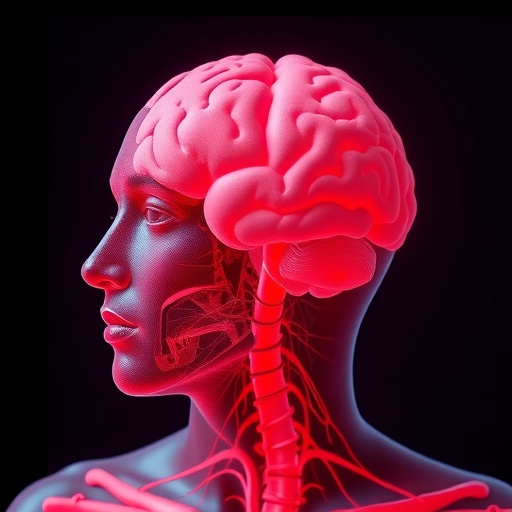
Recent advancements in psychiatry have brought to light the significant relationship between major depressive disorder (MDD) and inflammatory markers in the body. A groundbreaking study conducted by Xie, Gao, Li, and colleagues titled “Sertraline and inflammatory markers in major depression: a systematic review and meta-analysis” has provided new insights into how sertraline, a commonly prescribed antidepressant, interacts with various inflammatory markers in patients suffering from MDD. This systematic review and meta-analysis, published in Annals of General Psychiatry, aims to clarify the complexities of the link between inflammation and depression, which has been a growing area of interest in recent years.
The research meticulously examines the role of inflammatory markers in major depression, revealing a clear connection that may have broader implications for treatment approaches. Inflammation has been increasingly recognized as a contributing factor in many chronic diseases, including depression. The hypothesis that MDD could be linked to inflammatory processes opens a novel pathway for therapeutic interventions. This meta-analysis synthesizes data from various studies to investigate whether treatment with sertraline correlates with changes in inflammatory marker levels, thus shining a spotlight on the interplay between mental health and physical health.
In exploring the effects of sertraline, the researchers compiled extensive data reflecting different patient populations, treatment durations, and the dichotomy of inflammatory markers. Sertraline is known for its selective serotonin reuptake inhibitor (SSRI) properties, which primarily aim to enhance serotonin levels in the brain. This study adds an additional layer by evaluating whether this enhancement also produces anti-inflammatory effects that may alleviate depressive symptoms. The findings suggest that sertraline not only plays a role in balancing neurotransmitters but might also modulate the body’s inflammatory response.
The methodology employed in the study is rigorous and noteworthy. The researchers gathered quantitative data from numerous studies that examined the effects of sertraline on inflammatory markers such as cytokines, C-reactive protein (CRP), and others. By performing a systematic review, they ensured that their analysis was not only comprehensive but also robust. The focus on clear, standardized criteria for inclusion and exclusion allowed for the synthesis of high-quality evidence, making their conclusions more credible and impactful.
Among the numerous inflammatory markers analyzed, cytokines have surfaced as key players in influencing both the immune response and mood regulation. The study underscores how cytokines like interleukin-6 (IL-6) and tumor necrosis factor-alpha (TNF-α) can influence the pathophysiology of depression. This duality of role where they contribute to inflammation as well as potential depression symptoms leads to a more nuanced understanding of MDD. The meta-analysis revealed that sertraline treatment was associated with a significant reduction in these inflammatory markers, suggesting that its antidepressant actions might extend beyond the central nervous system.
While the findings are promising, the authors caution against overgeneralizing results. The diversity in the patient populations studied, including variations in genetics, comorbidities, and environmental factors, plays an important role in the interpretation of the results. Moreover, the duration of sertraline administration varied across studies, highlighting the need for further research to fully understand the timeline of sertraline’s effects on inflammation and mood. Future studies should aim to establish clear causal relations and explore how genetic predispositions can influence treatment responses.
The implications of this research stretch far beyond theoretical exploration. With depression being one of the leading causes of disability worldwide, understanding the pathophysiology behind it can change treatment paradigms. This study could lead to more effective approaches that combine traditional antidepressant therapy with strategies targeting inflammation. If sertraline proves effective at modulating inflammation, it could contribute to a dual-action treatment paradigm that addresses both mental health and chronic inflammation concurrently.
In practical terms, the study serves as a stepping stone towards personalized medicine in psychiatry. Such an approach involves tailoring treatments to individual patients based on their specific biological markers. For those with high levels of inflammatory markers, a regimen including sertraline may be particularly beneficial. Consequently, practitioners might consider routine screening for inflammation in patients who present with depressive symptoms to determine the most effective treatment course.
Furthermore, this research opens up avenues for novel therapeutic agents that interface with both psychiatric and systemic inflammatory conditions. With a growing interest in the intersection of physical and mental health, pharmaceutical companies might focus on developing new drugs that directly target inflammatory processes while also relieving depressive symptoms. This could enhance patient outcomes and quality of life significantly.
In conclusion, the meta-analysis by Xie and colleagues adds a critical layer of understanding to the nexus between major depressive disorder and inflammation. By analyzing the effects of sertraline on various inflammatory markers, the study not only reinforces the potential for integrative treatment strategies but also paves the way for future research. As the field of psychiatry continues to evolve, these findings will undoubtedly inspire further investigation into the multifaceted relationship between the mind and body.
Ultimately, understanding the biological underpinnings of mental health conditions is essential in addressing the growing mental health crisis globally. This research not only paves the way for personalized treatment plans that consider both inflammatory profiles and psychological symptoms, but it also highlights the importance of ongoing research in uncovering the mechanisms behind depression.
The implications of these findings are clear: the integration of mental health treatment with attention to inflammatory markers could revolutionize how clinicians approach depression therapies, leading to better outcomes and a more holistic understanding of mental health disorders.
Subject of Research: The relationship between sertraline treatment and inflammatory markers in major depressive disorder.
Article Title: Sertraline and inflammatory markers in major depression: a systematic review and meta-analysis.
Article References:
Xie, Z., Gao, Z., Li, X. et al. Sertraline and inflammatory markers in major depression: a systematic review and meta-analysis.
Ann Gen Psychiatry 24, 53 (2025). https://doi.org/10.1186/s12991-025-00596-4
Image Credits: AI Generated
DOI: https://doi.org/10.1186/s12991-025-00596-4
Keywords: Major depressive disorder, sertraline, inflammatory markers, cytokines, antidepressant therapy, personalized medicine.


