


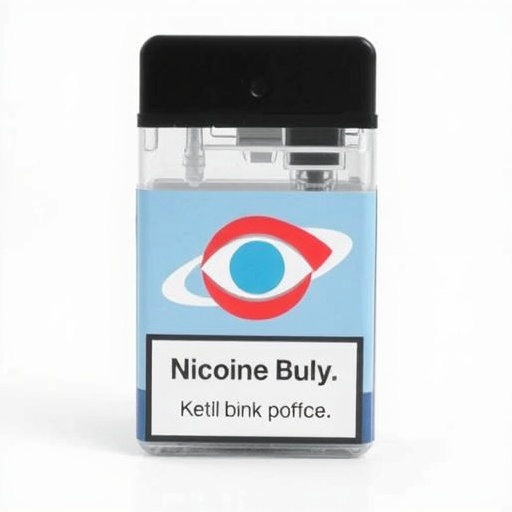
In recent years, the emergence of nicotine pouches has signaled a new frontier in nicotine consumption, particularly among young individuals. Originating in the UK market in 2019, these small, tobacco-free sachets are designed to deliver nicotine by being placed between the lip and gum. Unlike traditional tobacco products, nicotine pouches are discreet, odorless, and easy to conceal, making them attractive to younger demographics seeking alternative forms of nicotine intake. A landmark study conducted by the Scottish Centre for Social Research (ScotCen) has now shed light on the scale and implications of nicotine pouch use among adolescents aged 14 to 16 in Scotland, unraveling patterns of usage, perceptions, and associated health concerns.
The study—the first qualitative investigation of its kind within the UK—deployed focus groups and interviews across four Scottish schools involving 77 pupils and 13 school staff members. The researchers observed a pronounced awareness of nicotine pouches among teenagers, who often referred to these products colloquially as “snus” or “upper deckies.” Experimentation with these pouches was widespread, with some pupils reporting more consistent and established use, particularly among older males. The design of these pouches lends itself to easy concealment, allowing users to discreetly consume nicotine throughout the school day or on public transportation—environments where smoking or vaping would be more noticeable and socially discouraged.
Beyond patterns of use, a significant concern highlighted in the study pertains to adverse health effects reported by young users. Participants described a spectrum of negative physiological responses following pouch use, including sensations of burning and pain in oral tissues, nausea, profuse sweating, and episodes of fainting. These symptoms suggest acute toxicity and irritation related to nicotine absorption and the physical components of the pouches. Despite these detrimental effects, a striking subset of young people perceived nicotine pouches as comparatively safer than smoking cigarettes or vaping electronic nicotine delivery systems. This belief is grounded in the avoidance of lung damage—a hallmark concern linked to inhaled nicotine products. One participant notably remarked a preference for compromised gum health over potential lung injury, underscoring their risk assessment framework.
Interestingly, while school staff demonstrated substantial knowledge and concern about vaping trends and took measures to curtail its spread, they remained largely uninformed about the burgeoning use of nicotine pouches. This discrepancy reflects a knowledge gap that impedes comprehensive policy or educational responses to mitigate harm. Given that nicotine pouches are not currently regulated in the UK and can legally be sold to minors, their clandestine presence in schools represents a novel challenge. The lack of regulatory oversight allows for unchecked accessibility, enabling underage consumption with minimal barriers.
Experts involved with the study advocate for intensified public health interventions. Andy MacGregor, Director of Policy Research at ScotCen, emphasized the necessity for stringent regulation and proactive communication strategies to curb underage nicotine pouch use. The unique characteristics of these products—tobacco-free, smokeless, and discreet—make them especially difficult to monitor and control, necessitating updated approaches from educators, policymakers, and parents alike.
Further context is provided by Allison Ford, Associate Professor at the University of Stirling and Principal Investigator of the broader New Nicotine Products in Scotland (NIPS) study. Ford highlights the critical role of understanding retail dynamics, marketing practices, and product display mechanisms in shaping young people’s exposure and attitudes toward nicotine pouches. With ongoing research exploring these commercial influences, forthcoming evidence will inform whether regulatory modifications concerning visibility and promotion are warranted to safeguard youth health.
The potential for long-term health consequences associated with nicotine pouch use remains an area of considerable concern. Jamie Pearce, Professor of Health Geography at the University of Edinburgh, warns that increased prevalence among adolescents may precipitate chronic health issues, necessitating urgent action to limit marketing, availability, and sales targeted at younger populations. Given nicotine’s addictive properties and documented deleterious effects on developing brains, early and sustained exposure through products like nicotine pouches could modify trajectories of tobacco use and dependency.
Scientifically, nicotine pouches deliver nicotine via the buccal mucosa, allowing rapid absorption without combustion-related toxins typically found in smoked tobacco. However, the pharmacokinetics and toxicity profiles of these products, especially in adolescent populations, are not yet fully characterized. The mucosal irritation and autonomic symptoms reported suggest that high nicotine concentrations or formulation additives might provoke acute adverse reactions. Longitudinal data are needed to elucidate potential impacts on cardiovascular, neurological, and oral health, particularly since early nicotine initiation is correlated with future substance use disorder risk.
The research underscores a pressing public health dilemma: how to effectively regulate a burgeoning class of nicotine delivery systems that evade traditional control mechanisms due to their novel formats. Balancing potential harm reduction benefits for adult smokers against the risks of youth uptake requires nuanced policy frameworks. This challenge is compounded by the subversive marketing strategies and retail environments that may inadvertently or deliberately encourage adolescent experimentation.
In conclusion, the ScotCen study elucidates an emerging landscape in youth nicotine consumption marked by high awareness, experimentation, and notable health risks associated with nicotine pouches in Scotland. These findings advocate for immediate policy attention, enhanced educational outreach, and rigorous scientific inquiry to address the unique challenges posed by these products. Failure to act risks normalization of nicotine use in younger cohorts, potentially undermining decades of tobacco control progress and precipitating new public health crises.
News Publication Date: 5-Nov-2025
Web References: 10.1111/add.70214
Cite Scienmag News
Courtney Benton. (November 7, 2025). Rising Use of Unregulated Nicotine Pouches Among Youth Raises Health Concerns. Scienmag. https://scienmag.com/rising-use-of-unregulated-nicotine-pouches-among-youth-raises-health-concerns/
Courtney Benton. "Rising Use of Unregulated Nicotine Pouches Among Youth Raises Health Concerns." Scienmag, 7 November 2025, https://scienmag.com/rising-use-of-unregulated-nicotine-pouches-among-youth-raises-health-concerns/. Accessed 3 September 2026.
Courtney Benton. "Rising Use of Unregulated Nicotine Pouches Among Youth Raises Health Concerns." Scienmag. November 7, 2025. https://scienmag.com/rising-use-of-unregulated-nicotine-pouches-among-youth-raises-health-concerns/


