

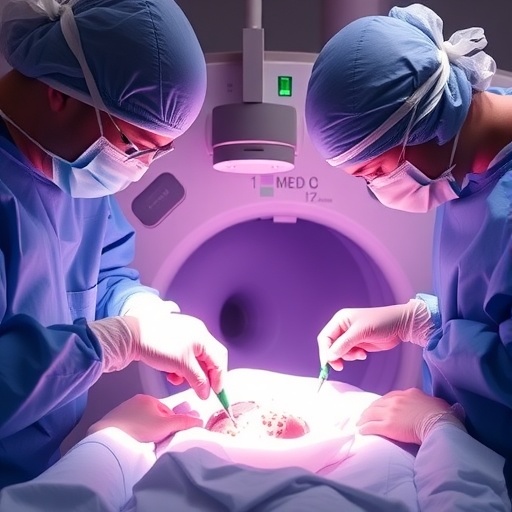
In a significant advancement in the treatment of pancreatic cancer, researchers have explored the efficacy of neoadjuvant stereotactic body radiation therapy (SBRT) paired with intraoperative electron radiotherapy during surgical resection. This innovative approach aims to enhance treatment outcomes for one of the most challenging malignancies known for its lethality. The study, spearheaded by Cornejo and colleagues, presents a combination strategy that may redefine the standard of care in managing this perilous disease. The results demonstrate potential improvements in local control and patient survival rates, which have been historically difficult to achieve.
Pancreatic cancer accounts for a substantial proportion of cancer-related deaths worldwide, primarily due to late diagnosis and limited therapeutic options. Traditional treatment modalities, including surgery, chemotherapy, and radiation, often fall short in eradicating tumor cells that may remain post-resection. The introduction of neoadjuvant therapies aims to shrink tumors before surgical intervention, thereby optimizing surgical outcomes and potentially allowing for a complete resection of the cancerous tissue.
The combination of SBRT and intraoperative electron radiotherapy presents a dual approach that may provide synergistic effects. SBRT is a highly focused radiation therapy technique that delivers large doses of radiation to a targeted tumor in a limited number of sessions while minimizing exposure to surrounding healthy tissue. This is particularly beneficial for pancreatic tumors, which are often located near vital structures in the abdominal cavity. By applying SBRT prior to surgery, tumors can be reduced in size, increasing the likelihood of achieving clear margins during resection.
Intraoperative electron radiotherapy, which involves administering radiation directly to the tumor bed during surgery, serves as an adjunctive measure to target any residual cancer cells that may not be visible or palpable. This two-step therapeutic approach strives to eradicate any remaining cancerous cells immediately following resection, potentially leading to improved local control rates.
In their study, the researchers conducted a rigorous analysis of patients receiving this combined therapeutic approach, demonstrating a promising safety profile alongside improved clinical outcomes. Complications associated with traditional treatment methods have often deterred oncologists from pursuing aggressive treatment paradigms. However, the findings from Cornejo and his team indicate that this combination strategy yields manageable side effects while achieving significant advances in tumor response rates.
Histopathological evaluations conducted on resected tumor specimens revealed noteworthy changes. Specimens from patients treated with this regimen exhibited decreased tumor sizes alongside enhanced pathological responses. These findings provide a compelling argument for considering novel radiotherapeutic combinations as part of the standard treatment algorithms for pancreatic cancer patients, especially in those who are eligible for surgical intervention.
Another crucial aspect of this study is the emphasis on personalized medicine. Each patient’s tumor characteristics, including genetic mutations and microenvironment, can significantly influence treatment decisions and outcomes. The integration of genomic profiling into treatment planning is an exciting frontier, suggesting that tailored radiotherapy regimens could further enhance efficacy based on individual tumor biology.
The researchers also highlighted the need for ongoing clinical trials to validate their findings and further assess the long-term outcomes of patients undergoing this combined approach. Such data will be vital for obtaining regulatory approvals and informing clinical practice guidelines, thereby potentially shifting the paradigm of pancreatic cancer treatment.
Advancements in imaging and radiotherapy technologies also contribute to the success of these interventions. Enhanced imaging modalities allow for better tumor localization and assessment throughout the treatment process, further increasing the precision and effectiveness of radiotherapy. As these technologies evolve, they may unlock new possibilities for personalized therapeutic strategies that improve overall patient outcomes.
The promising results of this research highlight the collaborative efforts of interdisciplinary teams, including surgeons, radiation oncologists, and medical oncologists, advocating for a multifaceted approach to cancer treatment. The synergy created through these partnerships fosters innovation and drives improvements in patient care.
Furthermore, this study underlines the importance of educating healthcare providers and patients about emerging treatment options. As patients become increasingly involved in their own care decisions, understanding the potential benefits and risks associated with new therapies will be crucial. Enhanced patient education can lead to better adherence to treatment plans and ultimately, improved clinical outcomes.
In summary, the promising combination of neoadjuvant SBRT with intraoperative electron radiotherapy presents a notable advancement in the fight against pancreatic cancer. As we move forward, the critical need for further research, clinical trials, and interdisciplinary collaboration becomes increasingly apparent. Only through persistent inquiry and development can we hope to improve outcomes for patients facing this challenging diagnosis.
As future research unfolds, the focus will remain on optimizing delivery protocols, refining patient selection criteria, and exploring the combinatorial use of these treatments alongside other multimodal therapies. The ultimate goal is to ensure that patients with pancreatic cancer receive the most effective treatments available, leading to increased survival rates and improved quality of life.
In conclusion, the exploration of neoadjuvant SBRT and intraoperative electron radiotherapy opens up a new frontier in the treatment of pancreatic cancer, underscoring a commitment to innovative solutions in oncology. Continued evolution in treatment protocols holds the promise of transforming patient care, providing hope for those impacted by one of the most challenging cancers in modern medicine.
Subject of Research: Neoadjuvant SBRT and intraoperative electron radiotherapy in pancreatic cancer resection.
Article Title: Neoadjuvant SBRT and intraoperative electron radiotherapy in pancreatic cancer resection.
Article References: Cornejo, G., Pikarsky, A., Hubert, A. et al. Neoadjuvant SBRT and intraoperative electron radiotherapy in pancreatic cancer resection. J Cancer Res Clin Oncol 152, 19 (2026). https://doi.org/10.1007/s00432-025-06397-2
Image Credits: AI Generated
DOI: https://doi.org/10.1007/s00432-025-06397-2
Keywords: Neoadjuvant therapy, SBRT, pancreatic cancer, intraoperative radiotherapy, local control, personalized medicine, clinical outcomes.


