

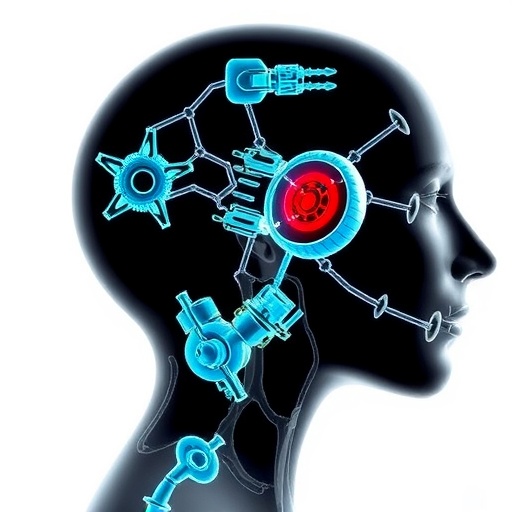
The intricate relationship between mechanical forces and biological systems forms the foundation of a burgeoning field known as mechanomedicine. Spanning various scales—from the macroscopic level of entire organs to the microscopic realm of cellular structures—mechanical forces significantly influence not only the integrity of tissues but also the functional capabilities of cells. This intimate interplay underscores a vital concept: the way in which alterations in mechanical properties can serve as indicative markers of injury and disease. Essentially, the mechanical signatures of biological tissues may provide insights into the diagnosis and prognosis of various conditions, making them invaluable for both clinical monitoring and therapeutic interventions.
Engaging with the principles of biomechanics and mechanobiology provides a deep understanding of how these mechanical forces operate within the body. Biomechanics, in essence, refers to the study of the mechanical laws relating to the movement or structure of living organisms. On the other hand, mechanobiology delves into how cells sense and respond to mechanical stimuli in their environments. Collectively, these fields illuminate the complex interactions at play within biological systems, establishing a foundation upon which mechanomedicine seeks to innovate diagnostics and therapeutics.
The potential to harness mechanical properties for clinical applications is significant. By precisely measuring mechanical signatures—such as stiffness, elasticity, and viscosity—researchers can identify pathological changes within tissues. For instance, tumors often exhibit altered stiffness compared to surrounding healthy tissue. Detecting these differences can provide early biomarkers for cancer, paving the way for timely intervention. Additionally, as mechanical forces may influence cellular behavior, their modulation presents new avenues for therapy, potentially enhancing regenerative medicine protocols or rehabilitation strategies.
Research into mechanomedicine is not just confined to advanced diagnostic techniques—therapeutic applications are equally exciting. Techniques such as tissue engineering often employ scaffolds that mimic the natural mechanical environment of tissues. This allows for a more effective promotion of cell migration, proliferation, and differentiation, which are critical for successful tissue regeneration. Furthermore, understanding the mechanical properties of grafts or implants can lead to improved biocompatibility and functionality when integrated into the human body.
Moreover, the translation of mechanomedicine into clinical practice faces several challenges. The innovation and standardization of materials and devices must be prioritized to ensure that they meet the biological needs of patients. Establishing clear mechanical biomarkers is essential, as standard metrics will allow for reliable comparisons across studies and trials. In this context, integration with artificial intelligence offers an avenue for advanced data analysis, enabling more sophisticated interpretations of mechanical measurements that could elevate patient care.
Engagement with mechanical forces extends to cellular mechanics as well. For instance, cells exhibit a responsiveness to their mechanical microenvironment, influencing processes such as migration, adhesion, and differentiation. This responsiveness invites researchers to explore how targeted modulation of mechanical stress could drive cellular behaviors that are advantageous for healing or regeneration. Techniques such as mechanotransduction—where cells convert mechanical stimuli into biochemical signals—derives significant interest, as it offers insight into how mechanical forces can be manipulated to yield positive biological outcomes.
Tissue-level diagnostics have gained traction in recent years, focusing on the interplay between disease states and their mechanical signatures. Utilizing advanced imaging techniques like elastography, which assesses tissue stiffness through ultrasound modalities, medical professionals can identify conditions such as fibrosis, which is characterized by increased tissue rigidity. This real-time assessment is crucial in various clinical settings, ranging from cardiology to oncology, highlighting how mechanomedicine can redefine traditional diagnostic protocols.
In addition to diagnostic advancements, mechanomedicine also strives to enrich therapeutic facilities through innovative mechanotherapies. These include approaches that utilize controlled mechanical loading or non-invasive stimulation to elicit favorable tissue responses. The rehabilitation of patients—whether post-surgery or recovering from injury—can greatly benefit from bespoke mechanical interventions that facilitate healing and promote functional recovery.
The convergence of mechanomedicine and personalized medicine amplifies its potential impact on patient health. By developing individualized therapeutic solutions that account for a patient’s unique mechanical demographics—such as tissue elasticity or overall biomechanical health—clinicians could engineer tailored strategies that optimize health outcomes. This personalized approach not only heightens the relevance of mechanomedicine but also challenges existing paradigms that often apply a ‘one-size-fits-all’ mentality to medical treatment.
Engaging with the future of mechanomedicine necessitates a commitment to interdisciplinary collaboration. As mechanomedicine intertwines principles across engineering, biology, and medicine, fostering partnerships among these disciplines will be imperative for driving innovation and translating research findings into clinical settings. By encouraging collaboration, we can harness a multitude of perspectives and expertise to tackle challenges that lie ahead.
As the landscape of healthcare evolves with advancements in technology and science, mechanomedicine stands at the forefront of a medical revolution. The capability to incorporate mechanical data into diagnostic and therapeutic frameworks adds a crucial dimension to patient care, one that holds promise for improving health outcomes in an ever-complex biosphere. Researchers and clinicians alike must embrace this synthesis of mechanics and medicine to unlock the full potential hidden within the realm of biological systems.
In conclusion, mechanomedicine embodies a transformative shift in how we approach the interplay of mechanical forces in human health. Both diagnostic and therapeutic implications underscore the continued exploration of how these forces shape biological responses and their potential to inform novel clinical interventions. The future is bright for mechanomedicine, as innovations in technology and a deeper understanding of biological systems continue to drive this domain forward, promising a new era of healthcare that prioritizes both the mechanical and biological aspects of human tissue integrity and functionality.
Subject of Research: Mechanomedicine
Article Title: Mechanomedicine
Article References:
Liu, Z., Chen, G., Jo, MS. et al. Mechanomedicine.
Nat Rev Bioeng (2026). https://doi.org/10.1038/s44222-025-00391-6
Image Credits: AI Generated
DOI: 10.1038/s44222-025-00391-6
Keywords: mechanomedicine, biomechanics, mechanobiology, tissue integrity, disease diagnostics, therapies, tissue regeneration, cellular mechanotherapeutics, personalized medicine, rehabilitation, artificial intelligence.


