

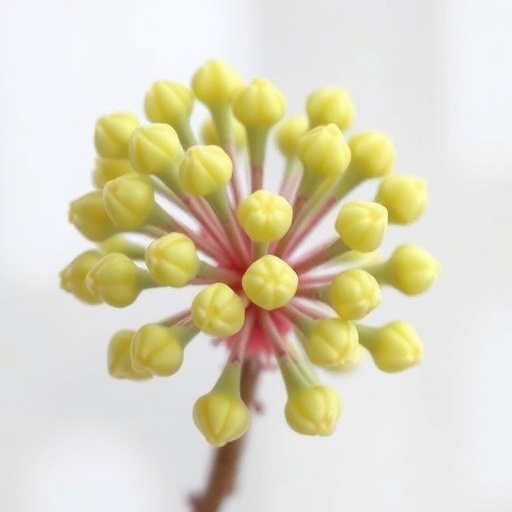
In a groundbreaking study, scientists have successfully developed a method for regenerating sweet acacia, scientifically known as Vachellia farnesiana, through the process of somatic embryogenesis. This remarkable achievement not only highlights the plant’s potential in various applications, including erosion control and ecological restoration, but also raises questions about the methodologies used and their implications in plant biotechnology. Understanding the nuances of somatic embryogenesis is crucial as it opens avenues for genetic improvement and conservation of this economically and ecologically significant species.
Somatic embryogenesis is a sophisticated biotechnological process that allows for the formation of embryos from somatic cells, bypassing the conventional seed formation pathway. In the case of sweet acacia, researchers employed a method designed to induce embryogenic development from vegetative tissues. This technique involves manipulating environmental factors, such as hormone concentration and nutrient availability, to stimulate the transformation of these tissues into embryos. The study effectively outlines the steps taken to optimize these conditions, presenting a structured approach to somatic embryogenesis.
The significance of Vachellia farnesiana cannot be overstated. This species is widely acknowledged for its ability to thrive in arid environments, making it integral to combatting desertification and promoting sustainable agriculture in susceptible regions. Moreover, its ecological roles extend to enhancing soil fertility and providing habitat for various wildlife species. As such, the ability to regenerate this plant species through somatic embryogenesis offers a promising tool for restoration projects aimed at rehabilitating degraded lands.
Researchers meticulously documented their experimental procedures to ensure reproducibility and reliability in their findings. By establishing a reliable protocol for somatic embryogenesis, they have paved the way for further research and exploration of the genetic framework underlying this process. The methodological rigor displayed in their work sets a standard for future studies in plant regeneration, particularly in species with similar ecological profiles.
One of the crucial elements highlighted in the study is the role of plant growth regulators in facilitating somatic embryogenesis. Specific ratios of auxins and cytokinins were employed effectively to promote cell division and differentiation. This hormonal balance was determined through a series of trials, underscoring the importance of fine-tuning these parameters to achieve optimal results. The researchers demonstrated that a careful orchestration of these growth regulators directly influences the success rates of somatic embryo formation.
Another innovative aspect of the study lies in the utilization of different explant sources for embryogenic initiation. The researchers experimented with various parts of the sweet acacia plant, including leaf tissues and stem segments. The selection of the right type of explant is crucial, as it can significantly affect the outcome of the somatic embryogenesis process. This exploration not only underscores the versatility of sweet acacia but also provides valuable insights that can be applied to other plant species.
Moreover, the study outlines the subsequent steps after embryo formation, which involve the maturation and germination phases. Researchers emphasized the necessity for a conducive environment to nurture the developing somatic embryos, ensuring that they progress towards becoming viable plantlets. This stage of development is critical, as it requires precise control over growth conditions to prevent abnormalities and encourage proper root and shoot formation.
In addition to the technical achievements detailed in the study, researchers reflected on the broader implications of their findings. By advancing our understanding of plant regeneration techniques, this research bears the potential to influence agricultural practices and conservation efforts globally. As the challenges posed by climate change and habitat destruction continue to escalate, embracing biotechnological advancements such as somatic embryogenesis could play a pivotal role in establishing resilient ecosystems.
However, while the results are promising, the researchers acknowledge the need for ongoing investigations to comprehend the genetic and molecular underpinnings of somatic embryogenesis in Vachellia farnesiana. Further studies are essential to elucidate the pathways involved and to explore the versatility of this regeneration technique across different species. As we venture further into the realms of plant biotechnology, such inquiries will inevitably contribute to a more profound understanding of plant resilience and adaptation.
The collaboration among scientists from diverse fields further exemplifies the importance of interdisciplinary approaches in tackling biological challenges. By merging expertise from plant biology, molecular genetics, and ecology, the research team has not only enriched the study of sweet acacia but has also exemplified how collaborative efforts can yield groundbreaking results. This collaborative model could serve as a blueprint for future research initiatives, illustrating the potential of shared knowledge and resources in addressing complex ecological dilemmas.
In conclusion, the research undertaken on the plant regeneration of sweet acacia via somatic embryogenesis stands as a significant advancement in plant biotechnology. Highlighting the intricate methodologies, the study not only provides practical insights for the regeneration of this species but also envisions a future where biotechnological applications can serve as a solution to environmental challenges. As investigations continue, the path toward a more sustainable and ecologically resilient world becomes increasingly illuminated.
By embracing such advancements in plant science, we can better prepare for the changing environmental landscape and ensure the preservation of vital plant species like Vachellia farnesiana.
Subject of Research: Plant regeneration of sweet acacia (Vachellia farnesiana) via somatic embryogenesis.
Article Title: Plant regeneration of sweet acacia (Vachellia farnesiana [L.] Wight & Arn.) via somatic embryogenesis.
Article References: Ibarra-López, A., Ojeda-Zacarías, M., Lozoya-Saldaña, H. et al. Plant regeneration of sweet acacia (Vachellia farnesiana [L.] Wight & Arn.) via somatic embryogenesis. Discov. For. 2, 6 (2026). https://doi.org/10.1007/s44415-025-00064-7
Image Credits: AI Generated
DOI: https://doi.org/10.1007/s44415-025-00064-7
Keywords: Vachellia farnesiana, somatic embryogenesis, plant regeneration, biotechnology, environmental resilience, plant growth regulators, ecological restoration.


