


Hoboken, N.J., May 27, 2025 — The pervasive presence of perfluorooctane sulfonate (PFOS), a member of the notorious class of chemicals known as "forever chemicals," has emerged as a profound environmental concern. These synthetic compounds, utilized across various industries for their water and stain resistance, have unfortunately proved detrimental to both human health and the ecosystem. Well-documented applications of PFOS include non-stick cookware, water-repellent textiles, fire-fighting foams, and food packaging, which have led to their ubiquity in our soil and water systems.
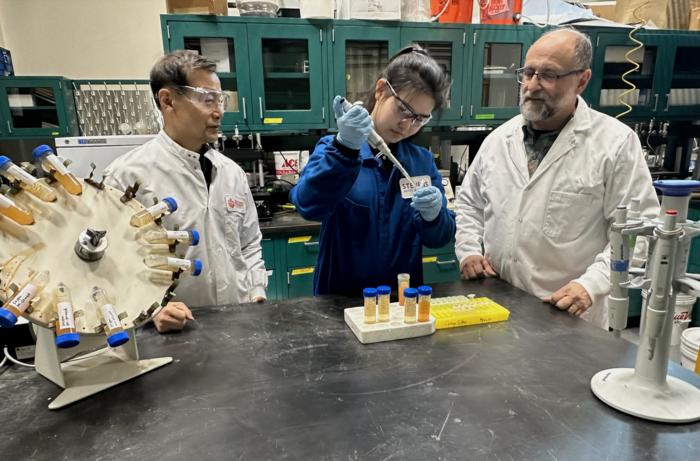
Research led by Xiaoguang Meng and Christos Christodoulatos, professors in the Department of Civil, Environmental and Ocean Engineering at Stevens Institute of Technology, has shed light on a crucial facet of environmental remediation. The ongoing research aims to discover the most effective methods to mitigate and remove PFOS from contaminated water sources, a challenge that has gained increased urgency as the health implications linked to PFOS exposure have become alarmingly clear. Issues ranging from immune system dysfunction to various forms of cancer have been linked to the long-term consumption of water contaminated with these chemicals.
The traditional approach to removing PFOS from water sources generally involves the use of activated carbon filters. This method is primarily based on adsorption, where PFOS molecules adhere to the surface of carbon particles, effectively cleaning the water as it flows through the filter. However, recent findings from the research team have showcased an alternative solution that has the potential to revolutionize our current water treatment strategies.
The researchers shifted their focus to a less conventional yet cost-effective alternative: microscale zero-valent iron (mZVI). This compound is already commonly employed in water treatment facilities, and it has garnered attention for being significantly cheaper than activated carbon filters. The researchers undertook comparative studies to evaluate the efficacy of mZVI against activated carbon in removing PFOS from contaminated water. The results were striking — the iron powder demonstrated a 26-fold increase in adsorption effectiveness per unit surface area over the traditional carbon method.
Surprisingly, even when mZVI rusted during the treatment process, its capability to adsorb PFOS remained largely intact. The oxidation of the iron particles created a surface layer that initially seemed counterproductive, yet it appeared not to impede the iron’s interactive properties with PFOS molecules. This revelation not only highlights the robust efficacy of mZVI against PFOS, but it has also generated considerable interest within the scientific community.
The significance of this discovery cannot be overstated. With ongoing contamination of soil and drinking water resources across the globe, the development of efficient and economical water purification systems is paramount. The Stevens Institute team’s findings suggest a potential pathway forward in addressing this widespread pollution issue. Their groundbreaking study has already attracted attention within academic circles, garnering over a thousand views shortly after its publication.
Meng and Ji’s research outlines more than just numbers; it encapsulates a transformative approach to water filtration that utilizes existing materials in innovative ways. The implications of this breakthrough could lead to large-scale applications and potentially spark the development of cost-effective treatment facilities that could serve communities grappling with PFOS contamination issues.
Moving forward, Meng and Ji are determined to investigate this phenomenon further, seeking out the mechanistic explanations behind the unexpected resilience of oxidized iron in PFOS removal. By pursuing deeper research into this area, they aim not only to enhance current methodologies but also to pave the way for future innovations in water treatment technologies.
In the shadow of the ongoing environmental crisis posed by forever chemicals, the Stevens Institute of Technology’s initiatives represent a beacon of hope. Through committed research and scientific inquiry, they are actively contributing to the development of practical solutions that can help safeguard public health and the environment. As their research gains traction, the potential for deploying mZVI as a remediation tool could soon become a pivotal element in addressing one of the pressing environmental challenges of our time.
In conclusion, the findings from the Stevens Institute of Technology illuminate a promising horizon in the field of water treatment and environmental cleanup. By leveraging affordable materials and uncovering innovative approaches to tackling PFOS pollution, the researchers not only advance the science of water purification but also establish a hopeful narrative in the fight against chemical contamination. This groundbreaking research stands poised to lead to further discoveries that can facilitate the development of sustainable solutions and ultimately restore our ecosystems.
Keywords
Environmental Science, PFOS, Water Treatment, Pollution, Zero-Valent Iron, Engineering, Sustainable Solutions, Chemical Remediation.
Cite Scienmag News
Denise Maddox. (May 27, 2025). Researchers at Stevens Unveil Innovative Method to Eliminate Forever Chemicals from Water Using Iron. Scienmag. https://scienmag.com/researchers-at-stevens-unveil-innovative-method-to-eliminate-forever-chemicals-from-water-using-iron/
Denise Maddox. "Researchers at Stevens Unveil Innovative Method to Eliminate Forever Chemicals from Water Using Iron." Scienmag, 27 May 2025, https://scienmag.com/researchers-at-stevens-unveil-innovative-method-to-eliminate-forever-chemicals-from-water-using-iron/. Accessed 4 September 2026.
Denise Maddox. "Researchers at Stevens Unveil Innovative Method to Eliminate Forever Chemicals from Water Using Iron." Scienmag. May 27, 2025. https://scienmag.com/researchers-at-stevens-unveil-innovative-method-to-eliminate-forever-chemicals-from-water-using-iron/


