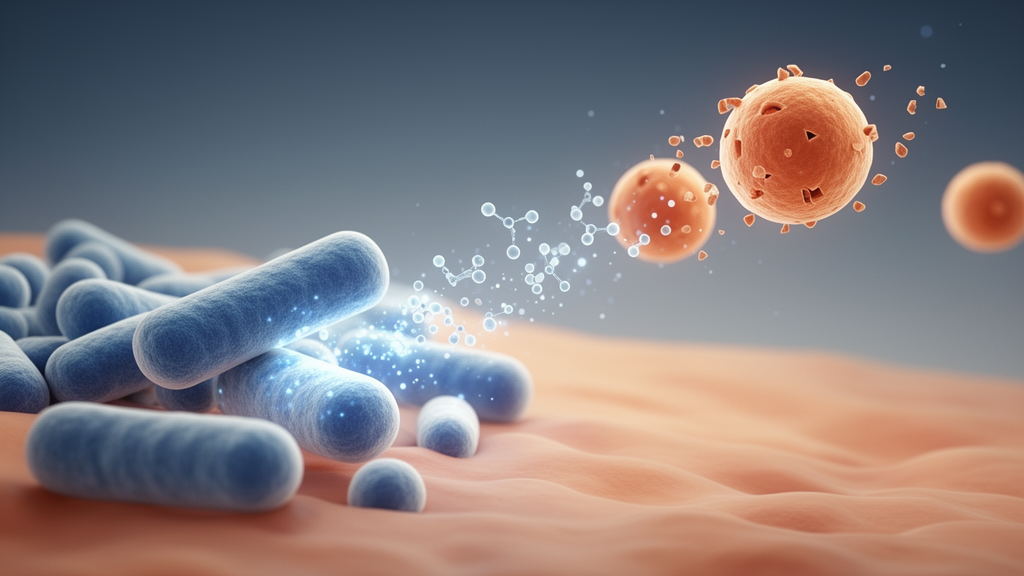
Researchers have characterized Haemophilus paraphrohaemolyticus, a little-studied bacterial commensal found at low abundance in the healthy human nasopharynx, and shown that it produces antimicrobial peptides that selectively target Streptococcus species, including the important pathogen Streptococcus pneumoniae. The work, published in BMC Microbiology, combines genomic analysis with functional testing of the bacterium’s secreted molecules.
A central contribution of the study is taxonomic. The authors provide what they describe as conclusive evidence that H. paraphrohaemolyticus is a distinct species, separate from the closely related H. parahaemolyticus. In doing so they address inconsistencies in the previous literature and supply supplementary genomic markers intended to improve classification algorithms for this group of bacteria.
Functionally, the team identified the commensal as a source of novel antimicrobial peptides, a class of molecules valued for their structural diversity, potent activity and reduced propensity to drive resistance. The peptides produced by H. paraphrohaemolyticus showed a striking selectivity: they targeted Streptococcus species while leaving other nasopharyngeal taxa largely unaffected. Notably, this genus-specific activity was conserved even though the peptides themselves differ in structure and physicochemical properties.
Safety profiling in the study indicated that the peptides were non-cytotoxic towards human epithelial cells, a prerequisite for any consideration of clinical translation. The authors suggest that production of these peptides likely reflects an evolved competitive strategy that helps low-abundance commensals persist in dense mucosal communities, positioning such organisms as potential key modulators of microbial ecology.
Beyond immediate applications, the researchers propose that these AMPs might reveal novel and noncanonical mechanisms of action that could guide the future design of pneumococcal-targeted antimicrobials, at a time when antimicrobial resistance continues to threaten global health and fuels demand for compounds with new modes of activity. The biosynthetic potential of the respiratory tract microbiota, they note, remains underexplored despite multiple members of the human microbiota being known peptide producers.
Subject of Research: Antimicrobial peptides produced by the respiratory commensal Haemophilus paraphrohaemolyticus that selectively target Streptococcus species
Article Title: Genomic and functional characterization of the respiratory commensal Haemophilus paraphrohaemolyticus reveals production of anti-streptococcal peptides
Article References: Rechsteiner, L., Ramette, A., Heller, M., Dube, F. S., & Hathaway, L. J. (2026). Genomic and functional characterization of the respiratory commensal Haemophilus paraphrohaemolyticus reveals production of anti-streptococcal peptides. BMC Microbiology. https://doi.org/10.1186/s12866-026-05855-2
Image Credits: AI Generated
DOI: 10.1186/s12866-026-05855-2
Keywords: Haemophilus paraphrohaemolyticus, antimicrobial peptides, nasopharynx, Streptococcus pneumoniae, microbiota, bacterial genomics, taxonomy, commensal bacteria, antimicrobial resistance, pneumococcus, Genomic, functional
Cite Scienmag News
Juliet Wilcox. (October 28, 2026). Research report: Genomic and functional characterization of the respiratory commensal Haemophilus paraphrohaemolyticus reveals production of anti-streptococcal peptides. Scienmag. https://scienmag.com/research-report-genomic-and-functional-characterization-of-the-respiratory-commensal-haemophilus-paraphrohaemolyticus-reveals-production-of-anti-streptococcal-peptides/
Juliet Wilcox. "Research report: Genomic and functional characterization of the respiratory commensal Haemophilus paraphrohaemolyticus reveals production of anti-streptococcal peptides." Scienmag, 28 October 2026, https://scienmag.com/research-report-genomic-and-functional-characterization-of-the-respiratory-commensal-haemophilus-paraphrohaemolyticus-reveals-production-of-anti-streptococcal-peptides/. Accessed 28 October 2026.
Juliet Wilcox. "Research report: Genomic and functional characterization of the respiratory commensal Haemophilus paraphrohaemolyticus reveals production of anti-streptococcal peptides." Scienmag. October 28, 2026. https://scienmag.com/research-report-genomic-and-functional-characterization-of-the-respiratory-commensal-haemophilus-paraphrohaemolyticus-reveals-production-of-anti-streptococcal-peptides/