


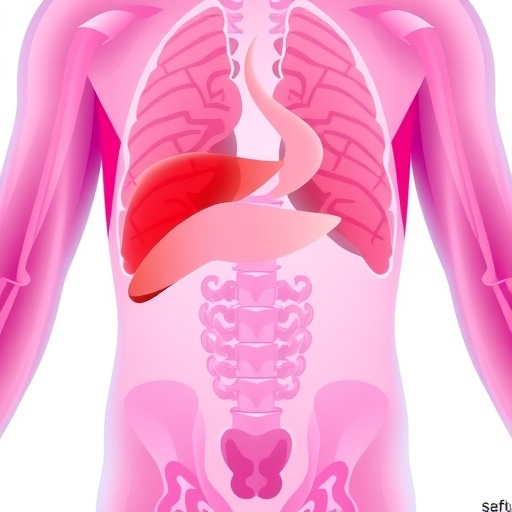
A new narrative review in the Journal of Clinical and Translational Hepatology outlines how clinicians can reduce the risk of recurrent overt hepatic encephalopathy, a serious neurological complication of advanced liver disease that can cause confusion, disorientation, impaired movement, loss of consciousness and coma. The review emphasizes that preventing repeat episodes requires more than treating ammonia levels. It depends on identifying triggers, maintaining nutrition, improving treatment adherence and, in selected patients, correcting abnormal blood flow through the liver.
Hepatic encephalopathy develops when the failing liver can no longer adequately remove neurotoxic substances from the bloodstream. Portosystemic shunts, which allow blood to bypass the liver, can intensify this problem by sending ammonia and other compounds directly into systemic circulation. In the brain, ammonia is taken up by astrocytes, where it contributes to cellular swelling, altered neurotransmission and oxidative stress. Inflammation, changes in the gut microbiome, bile-acid disturbances, manganese accumulation and zinc deficiency can further disrupt brain function. Muscle loss is also important because skeletal muscle normally helps remove ammonia; sarcopenia therefore increases vulnerability to neurological deterioration.
The burden of the condition extends well beyond individual episodes. Hepatic encephalopathy can interfere with employment, driving, independence, sleep and everyday decision-making, while caregivers often face considerable anxiety, depression and social disruption. Recurrent episodes are associated with repeated hospital admissions and may contribute to persistent cognitive impairment. According to the review, nearly 44% of affected patients may be rehospitalised within a year, and hepatic encephalopathy is a leading cause of early readmission among people with cirrhosis. The economic impact is also substantial, with hospital costs reaching tens of thousands of dollars per episode in the United States.
The authors identify a broad range of factors that can precipitate an episode. Constipation allows nitrogenous compounds to remain in the intestine longer, while gastrointestinal bleeding delivers a large protein load for bacterial breakdown. Dehydration, infection, kidney dysfunction, uncontrolled diabetes and abnormal sodium or potassium levels can all impair the body’s ability to control ammonia and inflammation. Sedatives, opioids and other medications that suppress brain activity may worsen confusion and should generally be avoided when possible. Poor adherence is another major concern: unpleasant taste, diarrhoea, bloating and the difficulty of adjusting doses mean that many patients do not take lactulose consistently, substantially increasing the risk of recurrence.
Lactulose remains the foundation of secondary prevention after a first overt episode. The nonabsorbable disaccharide is metabolised by colonic bacteria, acidifying the intestinal contents and converting absorbable ammonia into ammonium, which is less readily absorbed. It also accelerates intestinal transit, reducing the time available for toxin production and absorption. Treatment is usually adjusted to produce two or three soft bowel movements daily. Clinical studies cited in the review show markedly lower recurrence rates among patients receiving lactulose than among those receiving no preventive therapy, although excessive dosing can cause diarrhoea, dehydration and electrolyte disturbances that may themselves trigger encephalopathy.
For patients who experience another episode despite lactulose, guidelines recommend adding rifaximin, a minimally absorbed antibiotic that acts primarily within the gastrointestinal tract. By altering ammonia-producing bacterial populations and reducing bacterial metabolic activity, rifaximin lowers the likelihood of breakthrough encephalopathy. A pivotal phase 3 trial found that rifaximin reduced breakthrough episodes by approximately 58% and cut encephalopathy-related hospitalisations by about half. The review notes that the treatment can be cost-effective because fewer admissions offset part of its expense, although researchers continue to monitor the long-term implications of antimicrobial resistance. Other approaches, including polyethylene glycol for acute treatment and the ammonia-lowering compound L-ornithine-L-aspartate, may benefit selected patients but have less established roles in routine long-term prevention.
Prevention also depends on preserving the patient’s metabolic resilience. The review recommends adequate energy intake and approximately 1.2 to 1.5 grams of protein per kilogram of body weight each day, warning that protein restriction can worsen muscle loss and reduce ammonia clearance. Small, frequent meals and a late-evening snack may help prevent prolonged fasting. Branched-chain amino acids can improve symptoms in some patients, while zinc supplementation may help when deficiency is present, although neither strategy has conclusively eliminated recurrence. Sleep hygiene, nutritional counselling and mindfulness-based stress reduction may support quality of life and daily functioning, but sedative sleep medications should be used cautiously.
When encephalopathy remains recurrent or persistent despite medication, clinicians may need to look for an anatomical cause. Large spontaneous portosystemic shunts can divert substantial blood flow away from the liver, and embolising these vessels may reduce toxin delivery to the brain in carefully selected patients, particularly those with a Model for End-Stage Liver Disease score below 11. Transjugular intrahepatic portosystemic shunts, or TIPS, are valuable for controlling complications of portal hypertension but can provoke encephalopathy in roughly 30% to 60% of patients. If drug treatment fails after TIPS placement, reducing the diameter or flow of the shunt may be considered, although this must be balanced against the risk of recurrent bleeding or fluid accumulation.
For patients whose neurological episodes continue despite adequate medical and procedural management, liver transplantation offers the most definitive solution by replacing the organ responsible for toxin accumulation. The review also describes albumin dialysis as a possible temporary bridge for individuals with severe, persistent grade 3 or 4 encephalopathy while they await transplantation. Experimental strategies are being studied as well. Nitazoxanide, faecal microbiota transplantation and digital technologies such as smartphone applications, wearable sensors and artificial-intelligence prediction models could eventually help identify early cognitive changes, monitor bowel movements and improve adherence. However, the authors stress that these approaches require confirmation in larger prospective trials.
The review concludes that education is one of the most powerful and underused tools in preventing recurrence. Patients and caregivers should understand how to recognise early changes in attention, behaviour and orientation, how to use lactulose correctly and when to seek urgent medical help. Even a brief educational intervention has been associated with fewer hospitalisations. By combining trigger correction, sustained nutrition, appropriate pharmacotherapy, careful evaluation of shunts and timely referral for transplantation, clinicians may reduce the clinical and social consequences of recurrent hepatic encephalopathy. The findings reinforce that long-term prevention is a coordinated process involving patients, families and multidisciplinary liver-care teams.
Web References: Journal of Clinical and Translational Hepatology: https://www.xiahepublishing.com/journal/jcth
References: DOI: 10.14218/JCTH.2025.00698
Cite Scienmag News
Courtney Benton. (July 31, 2026). Reducing the Risk of Recurrent Overt Hepatic Encephalopathy. Scienmag. https://scienmag.com/reducing-the-risk-of-recurrent-overt-hepatic-encephalopathy/
Courtney Benton. "Reducing the Risk of Recurrent Overt Hepatic Encephalopathy." Scienmag, 31 July 2026, https://scienmag.com/reducing-the-risk-of-recurrent-overt-hepatic-encephalopathy/. Accessed 4 September 2026.
Courtney Benton. "Reducing the Risk of Recurrent Overt Hepatic Encephalopathy." Scienmag. July 31, 2026. https://scienmag.com/reducing-the-risk-of-recurrent-overt-hepatic-encephalopathy/


