


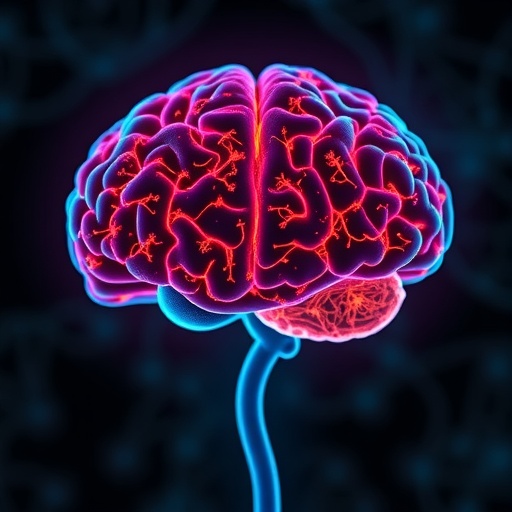
In a groundbreaking study poised to reshape our understanding of anxiety disorders, particularly Post-Traumatic Stress Disorder (PTSD), researchers have unveiled a compelling connection between autophagy regulation within the amygdala and the alleviation of anxiety-like behaviors. This revelation offers a novel approach to therapeutic strategies, pushing the boundaries of neuroscience and psychiatric treatment.
PTSD, a debilitating mental health condition triggered by experiencing or witnessing traumatic events, affects millions worldwide. Conventional treatments, ranging from psychotherapy to pharmacological interventions, often provide limited relief and are accompanied by diverse side effects. The quest for more targeted, effective therapies has led scientists to explore the cellular and molecular underpinnings of the disorder, especially within the brain’s fear-processing centers.
Central to this exploration is the amygdala, a small, almond-shaped region deep within the brain that orchestrates emotional responses, particularly fear and anxiety. Anomalies in amygdala function have long been implicated in PTSD, but the precise intracellular mechanisms influencing these changes remained poorly understood. The recent study, conducted using PTSD model mice, illuminates a key player: autophagy.
Autophagy, a fundamental cellular process, involves the degradation and recycling of cellular components, maintaining homeostasis and responding to stress. While traditionally associated with cellular cleanup and survival during nutrient deprivation, autophagy is increasingly recognized for its role in neural functioning and plasticity. Dysregulation of autophagy has been linked to neurodegenerative diseases, but its implications in psychiatric disorders are an emerging frontier.
The researchers systematically assessed autophagic activity in the amygdala of mice exposed to traumatic stress analogs and correlated these findings with behavioral assessments mirroring human PTSD symptoms. Remarkably, they observed that heightened autophagy within the amygdala corresponded with exacerbated anxiety-like behaviors. Conversely, pharmacological and genetic downregulation of autophagy led to significant reductions in these behaviors, suggesting a causative relationship.
These insights challenge traditional assumptions regarding autophagy’s role in neuronal health, positing that, in the context of PTSD, excessive autophagic activity may contribute to maladaptive neural remodeling and heightened anxiety responses. The findings underscore the complexity of autophagy as a biological double-edged sword—beneficial under certain circumstances yet potentially detrimental in others.
Mechanistically, the study delved into autophagy-related molecular markers, notably LC3 and p62, within the amygdala tissues. They discovered that the modulation of these markers directly influenced synaptic plasticity and neuron survival pathways associated with fear conditioning and memory reconsolidation, processes integral to PTSD pathology.
Furthermore, the research introduced novel methodologies combining targeted gene editing with behaviorally validated assays. CRISPR-Cas9 mediated knockdown of autophagy-related genes demonstrated that selective inhibition within the amygdala was sufficient to dampen PTSD-like symptoms without broad systemic effects, highlighting the therapeutic specificity achievable with precise molecular interventions.
Translating these preclinical findings into clinical applications presents both immense promise and considerable challenges. The prospect of modulating autophagy in human patients to mitigate PTSD symptoms could revolutionize treatment paradigms. However, given autophagy’s multifaceted roles, systemic modulation risks unintended consequences, warranting strategies that enable region-specific targeting and controlled modulation.
Beyond PTSD, these revelations may have far-reaching implications for other anxiety disorders and neuropsychiatric conditions wherein dysregulated emotional processing and autophagic mechanisms intersect. It opens pathways for broader neurobiological inquiries into how intracellular degradation systems influence complex behaviors and mental health.
This study also prompts reevaluation of autophagy’s role within the central nervous system, particularly in relation to stress and environmental factors that influence mental well-being. Integrating this knowledge with current neuroimaging and biomarker research could refine diagnostic criteria and enable personalized therapeutic approaches tailored to individual cellular profiles.
Ethical considerations and safety profiles remain paramount as researchers envision clinical trials designed to test autophagy modulators in human PTSD patients. Balancing efficacy with minimal side effects will be critical, requiring multidisciplinary collaborations between neuroscientists, pharmacologists, and clinicians.
The application of advanced technologies like optogenetics and chemogenetics in future studies might further elucidate circuit-specific roles of autophagy in the amygdala, enhancing our comprehension of the dynamic interplay between molecular processes and behavioral outcomes in PTSD.
In summary, the elucidation of autophagy’s downregulation in the amygdala as a sufficient mechanism to alleviate anxiety-like behaviors in PTSD model mice introduces a transformative perspective in psychiatric neuroscience. This nexus of cellular biology and behavior not only deepens our grasp of PTSD pathogenesis but also lights the way toward innovative, targeted interventions that could significantly improve patient outcomes.
As the field advances, the integration of molecular psychiatry with cutting-edge genetic tools promises a future where mental health disorders are addressed with unprecedented precision, reducing the global burden of PTSD and related conditions through scientifically grounded, personalized medicine.
This research exemplifies the power of bench-to-bedside translational science, reaffirming the amygdala’s central role in emotional regulation and positioning autophagy modulation as a key therapeutic axis. Continued exploration will undoubtedly expand the horizons of what is achievable in treating complex psychiatric disorders.
The potential to refine, and possibly redefine, how we combat the psychological aftermath of trauma heralds a new chapter in mental health care, one where cellular processes are not only understood but harnessed to restore resilience and hope for millions.
Cite Scienmag News
Glenn Wilkins. (October 11, 2025). Reducing Amygdala Autophagy Eases PTSD Anxiety. Scienmag. https://scienmag.com/reducing-amygdala-autophagy-eases-ptsd-anxiety/
Glenn Wilkins. "Reducing Amygdala Autophagy Eases PTSD Anxiety." Scienmag, 11 October 2025, https://scienmag.com/reducing-amygdala-autophagy-eases-ptsd-anxiety/. Accessed 4 September 2026.
Glenn Wilkins. "Reducing Amygdala Autophagy Eases PTSD Anxiety." Scienmag. October 11, 2025. https://scienmag.com/reducing-amygdala-autophagy-eases-ptsd-anxiety/


