


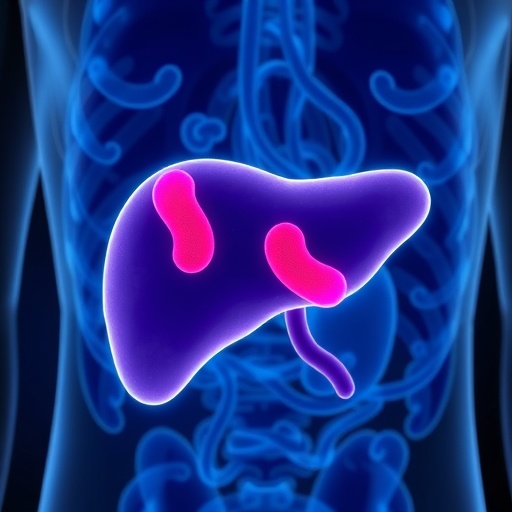
In a groundbreaking study set to reshape our understanding of metabolic diseases, researchers have uncovered a pivotal mechanism linking the impaired differentiation of adipocytes in visceral fat to the pathogenesis of metabolic dysfunction-associated steatotic liver disease (MASLD). This discovery, meticulously detailed in a forthcoming publication in Nature Communications, delivers fresh insights into the cellular dynamics that precipitate one of the most pressing health crises of the 21st century.
Metabolic dysfunction-associated steatotic liver disease, previously known by its more controversial name, non-alcoholic fatty liver disease (NAFLD), represents a spectrum of liver conditions marked by excessive fat accumulation in liver cells. This condition can progress to more severe stages, such as steatohepatitis, fibrosis, cirrhosis, and ultimately liver failure or hepatocellular carcinoma. Despite extensive research, the precise cellular and molecular contributors to its onset and progression remain incompletely understood, impeding the development of effective therapeutic strategies.
Central to this new investigation is the role of adipocytes — the fat-storing cells within adipose tissue — particularly those residing in visceral fat depots. Visceral adipose tissue, distinct from subcutaneous fat, envelopes internal organs and is metabolically active, influencing systemic inflammation and insulin resistance. The study reveals that the degree to which preadipocytes differentiate into mature, functional adipocytes within visceral fat drastically influences metabolic homeostasis and liver health.
Employing state-of-the-art single-cell RNA sequencing, combined with sophisticated lineage tracing techniques, the researchers delineated the molecular signature of adipocyte populations in human visceral fat samples. They identified a marked reduction in the differentiation capacity of progenitor cells into mature adipocytes in individuals exhibiting MASLD. This deficit in differentiation results in a dysfunctional adipose tissue microenvironment, characterized by impaired lipid storage and elevated inflammatory signaling, both of which contribute to metabolic derangements.
The mechanistic underpinnings were further elucidated through in vivo models, where genetically engineered mice with selectively impaired adipocyte differentiation in visceral fat recapitulated key features of MASLD, including hepatic steatosis and inflammation. Notably, these models highlight the crosstalk between dysfunctional adipose tissue and the liver, mediated by altered adipokine profiles and increased free fatty acid flux, reinforcing the concept that visceral fat health is intimately tied to liver disease progression.
Moreover, the work unambiguously documents the disruption of key transcriptional regulators essential for adipocyte maturation, such as PPARγ and C/EBPα, within defective visceral fat depots. This transcriptional dysregulation appears to be a linchpin of the pathological cascade, suggesting that therapeutic modulation of these pathways might restore adipocyte differentiation capacity and ameliorate metabolic dysfunction.
The inflammatory milieu generated by poorly differentiated adipocytes also plays a salient role in disease manifestation. Elevated secretion of proinflammatory cytokines, including TNF-α and IL-6, promotes systemic low-grade inflammation, a recognized driver of insulin resistance and hepatic injury. Thus, the study delineates a vicious cycle wherein impaired adipocyte maturation exacerbates inflammation, which in turn further inhibits differentiation processes, compounding metabolic impairment.
From a clinical perspective, these findings carry significant implications. The assessment of adipocyte differentiation status within visceral fat may emerge as an innovative biomarker for early MASLD risk stratification. Furthermore, interventions aimed at enhancing adipogenesis or counteracting adipose tissue inflammation could constitute novel therapeutic avenues to halt or reverse disease progression, potentially transforming patient outcomes.
This research also challenges the prevailing notion that mere adiposity is the primary determinant of metabolic risk. Instead, it posits that qualitative changes within adipose tissue, specifically differentiation defects, are critical determinants of metabolic health, inviting a paradigm shift in how obesity-related complications are conceptualized and managed.
Intriguingly, the study advocates for a refined focus on cell-specific therapies that reinvigorate the adipogenic program, possibly through pharmacologic agents targeting the implicated transcription factors or signaling pathways. This approach could offer a more precise treatment modality, contrasting with the often blunt instrument of systemic metabolic control.
In parallel, the research underscores the importance of early detection of adipose tissue dysfunction. Non-invasive imaging modalities or circulating biomarkers reflecting adipocyte differentiation status could facilitate prompt clinical intervention, mitigating liver damage before irreversible fibrosis ensues.
While the research is pioneering, certain questions remain open for future exploration. For instance, the interplay between genetic predisposition, environmental factors such as diet and physical activity, and their collective impact on adipocyte differentiation warrants further inquiry. Additionally, longitudinal studies are needed to validate whether restoring adipocyte differentiation can directly translate into clinical remission of MASLD.
In summary, this seminal work inaugurates a new chapter in metabolic disease biology by linking diminished adipocyte differentiation in visceral fat with the complex etiopathogenesis of metabolic dysfunction-associated steatotic liver disease. Its implications resonate across fundamental science and clinical practice, heralding prospects for innovative diagnostics and personalized therapeutics that may stem the burgeoning tide of liver-related metabolic disorders.
Researchers and clinicians alike are poised to benefit from these insights, which illuminate the nuanced cellular landscapes underlying MASLD and spotlight a hitherto underappreciated target: the adipocyte differentiation machinery. As this field advances, the hope is to translate these molecular discoveries into tangible health benefits for millions at risk worldwide.
Cite Scienmag News
Ophelia Keating. (June 3, 2026). Reduced Fat Cell Maturation Fuels Fatty Liver Disease. Scienmag. https://scienmag.com/reduced-fat-cell-maturation-fuels-fatty-liver-disease/
Ophelia Keating. "Reduced Fat Cell Maturation Fuels Fatty Liver Disease." Scienmag, 3 June 2026, https://scienmag.com/reduced-fat-cell-maturation-fuels-fatty-liver-disease/. Accessed 3 September 2026.
Ophelia Keating. "Reduced Fat Cell Maturation Fuels Fatty Liver Disease." Scienmag. June 3, 2026. https://scienmag.com/reduced-fat-cell-maturation-fuels-fatty-liver-disease/


