

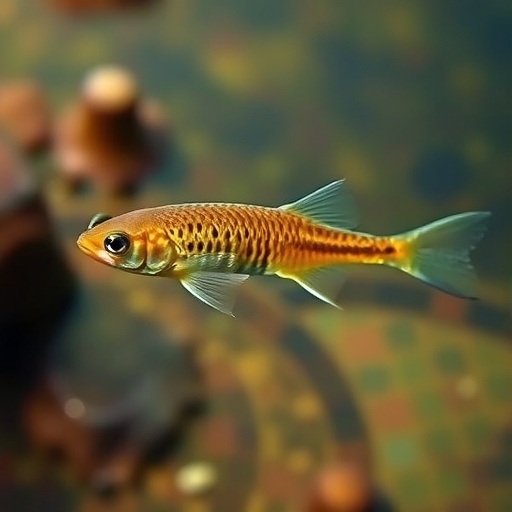
In a groundbreaking study published in Scientific Nature, researchers have brandished a significant achievement in biodiversity conservation with the rediscovery of the critically endangered Sahara killifish, scientifically known as Apricaphanius saourensis. Once thought to be extinct in its natural habitat, this small but resilient fish has re-emerged, offering a beacon of hope for conservationists and aquarists alike. The expedition not only reignites interest in the species but also highlights the importance of genetic research in wildlife conservation efforts.
The Sahara killifish has a unique evolutionary lineage and holds significant ecological value within its native habitat. Found in ephemeral pools and highly specialized environments, it has adapted to the harsh conditions typical of the Sahara Desert. Understanding its genetic makeup has become crucial as these insights can facilitate breeding programs aimed at boosting dwindling populations and restoring ecological balance in their natural habitats.
The groundbreaking work, spearheaded by scientists L. Derouiche, R. Tahri, and C.R. Fernandes, utilized cutting-edge genetic techniques to identify and confirm the species. By applying molecular markers and DNA sequencing, researchers successfully distinguished the Sahara killifish from its close relatives. Such genetic evidence is vital, as it solidifies the species’ classification and assists in unraveling its evolutionary history. Furthermore, genetic research plays a pivotal role in identifying distinct populations, which can be critically important for conservation strategies.
The rediscovery of the Sahara killifish signifies more than just the survival of a single species; it reflects the complex and often fragile interconnections within desert ecosystems. Aquatic life, even in the most inhospitable environments, demonstrates incredible resilience. The Sahara killifish embodies this resilience, having adapted to extreme conditions where few other species could thrive. However, environmental pressures, including climate change and habitat degradation, pose ongoing threats to its survival.
As global temperatures rise and climatic patterns shift, the delicate habitats supporting the Sahara killifish become increasingly vulnerable. The authors of this study urge the necessity for immediate conservation measures to safeguard not only this species but also the unique ecosystems in which it plays an integral role. Protecting the habitats where these fish thrive is critical, ensuring that they continue to have a place in our planet’s biodiversity.
In light of this rediscovery, the researchers underscore the importance of establishing protected areas within the Sahara region. Not only do these protected zones safeguard the killifish, but they also preserve the intricate ecological networks that benefit countless other organisms. Conservation efforts must extend beyond merely observing and identifying rare species; they need to encompass comprehensive strategies that address environmental threats head-on.
Moreover, the study brings attention to the potential for citizen science in wildlife monitoring and conservation. Local communities and fish enthusiasts can play a crucial role by participating in surveys and habitat restoration projects. Engaging the public not only raises awareness but also fosters a collective sense of responsibility towards conservation efforts, thus amplifying the positive impact on endangered species like the Sahara killifish.
The rediscovery of Apricaphanius saourensis is a poignant reminder of nature’s fragility and resilience. It provides researchers with a unique opportunity to study an evolving population and assess the effectiveness of various conservation strategies. By closely monitoring this species, scientists can gain insight into adaptive strategies that might be applicable to other endangered species facing similar environmental challenges.
As scientists delve deeper into the genetic intricacies of the Sahara killifish, they illuminate potential avenues for future research. This initiative opens the door to understanding the genetic diversity within fish populations, which is crucial for breeding programs aimed at enhancing genetic variability and resilience. The revelations from the Sahara killifish advocate for a paradigm shift in how conservationists approach endangered species; genetic research should be at the forefront of efforts to understand and protect biodiversity.
Potential collaborations are on the horizon, linking universities, governmental agencies, and non-profit organizations. Such partnerships are essential in pooling resources, expertise, and funding to enhance conservation programs. As the team of researchers announced their findings, they expressed a strong desire to advocate for policy changes that prioritize the protection of vulnerable species and their habitats, creating a robust framework for sustained conservation success.
While the rediscovery of the Sahara killifish offers encouraging news, the broader implications highlight the urgent need for environmental stewardship. Climate action, habitat preservation, and increased research funding are critical components that societies must adopt if they wish to uphold the intricate tapestry of life our planet supports. Ending the ongoing loss of biodiversity requires a collective commitment to balance human impact with ecological sustainability.
Communicating the significance of these findings to a wider audience is paramount. The researchers emphasize the necessity of educational initiatives that can inform the public about the importance of maintaining biodiversity. Effective communication strategies can foster a greater understanding of the interconnectedness of life on Earth and the critical role that each species plays within their ecosystem.
In conclusion, the rediscovery of the Sahara killifish serves as both a scientific milestone and a rallying cry for conservationists around the globe. It is a testament to resilience and capability in the face of adversity. The findings set the groundwork for further research endeavors that can lead to innovative conservation strategies, and they pave the way for renewed enthusiasm in the fight against biodiversity loss. As scientists continue to explore and understand our world, species like the Sahara killifish remind us that conservation is not only necessary but possible.
Subject of Research: Sahara killifish (Apricaphanius saourensis) rediscovery and genetic analysis.
Article Title: Genetic evidence for the rediscovery in the wild of the critically endangered Sahara killifish Apricaphanius saourensis (Cyprinodontiformes: Aphaniidae).
Article References:
Derouiche, L., Tahri, R. & Fernandes, C.R. Genetic evidence for the rediscovery in the wild of the critically endangered Sahara killifish Apricaphanius saourensis (Cyprinodontiformes: Aphaniidae).
Sci Nat 113, 21 (2026). https://doi.org/10.1007/s00114-026-02074-7
Image Credits: AI Generated
DOI:
Keywords: Sahara killifish, Apricaphanius saourensis, genetic research, biodiversity conservation, ecosystem resilience.


