

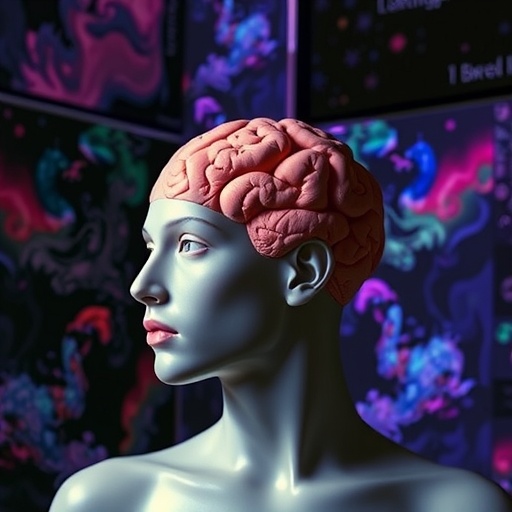
In a groundbreaking commentary published in “Journal of Eating Disorders,” researchers Kangaslampi and colleagues delve into a highly contentious topic within the realm of psychology and therapeutic practices— the recovery of dissociated traumatic memories during psilocybin treatment. This commentary serves as a critical examination of a recent study concerning the administration of psilocybin, a naturally occurring psychedelic compound, in the context of treating anorexia nervosa. Their insights raised new questions about the efficacy and ethical implications of such treatments, particularly regarding the potential risks associated with accessing these deeply buried memories.
Psychedelic compounds like psilocybin, sourced from mushrooms, have gained traction in recent years as potential therapeutic agents, especially in the field of mental health. The original study they critique suggested that these substances might facilitate the emergence of memories associated with past trauma, thereby offering patients a pathway to work through unresolved psychological issues. However, Kangaslampi and co-authors take a different stance, casting doubt on the claim that these substances reliably trigger beneficial memory recovery. Their argument draws attention to the nuances and complexities surrounding the nature of memory retrieval, particularly in individuals with traumatic histories.
In their commentary, they point out that memories are not mere records of past events but are reconstructed experiences that can be influenced by a myriad of factors, including the emotional state of the individual at the time of recollection. Psychological science has long understood that the retrieval of memories can be profoundly affected by the context in which they are recalled. Thus, if psilocybin treatment creates an altered state of consciousness, the actual reliability of the memories that may emerge during these experiences remains uncertain and warrants further investigation.
Furthermore, Kangaslampi and colleagues highlight the significant risks that may arise from allowing patients to unpack traumatic memories while under the influence of psilocybin. The potential for re-traumatization is a critical concern; when memories of past traumas are retrieved, especially during a psychedelic experience, the emotional fallout could be detrimental rather than therapeutic. This critique underscores the necessity for strict therapeutic protocols and the importance of trained professionals guiding such experiences to mitigate the risks involved.
The discourse on psilocybin’s role in therapy paints an image of a rapidly evolving field where the scientific community’s understanding is still developing. While there is evidence supporting the therapeutic benefits of psilocybin for conditions like depression and anxiety, the implications of its use for memory retrieval in traumatic contexts remain debatable. As researchers continue to unravel the complexities of memory processing, it becomes paramount to maintain a cautious and scientifically rigorous approach to its application in mental health treatment.
Moreover, Kangaslampi and their team emphasize the ethical considerations inherent in utilizing psychedelics for therapy. While the promise of alleviating symptoms linked to mental health disorders is enticing, the accompanying moral responsibilities become difficult to ignore. Specifically, questions around informed consent and the patient’s well-being must be central to the conversation when engaging with substances that have the potential to evoke intense emotional and psychological experiences.
The growing academic interest in psychedelics as therapeutic tools poses an intriguing challenge to conventional psychiatric approaches. Scientists and practitioners must grapple with the intersection of pharmacology, ethics, and therapeutic methodologies. As new studies emerge, conflicting narratives about the efficacy of substances like psilocybin will likely proliferate, necessitating a concerted effort to establish consensus through rigorous research and evidence-based practice.
In their commentary, the authors also reference earlier literature, illustrating historical shifts in understanding trauma and memory. Psychoanalytic theories prominently featured memory recovery influenced by emotional stimuli, yet modern cognitive research suggests a more complex integration of cognitive and emotional processes. This evolving framework of understanding profoundly affects how trauma is treated and calls into question the sole reliance on retrospective memory retrieval approaches.
As the conversation evolves, it is increasingly clear that the integration of psilocybin into therapeutic regimes requires multifaceted strategies that incorporate both medicinal and psychological frameworks. This calls for interdisciplinary collaboration between experts in pharmacology, psychology, neuroscience, and ethics to create robust therapies that prioritize patient safety and efficacy.
Perhaps one of the most pressing insights from Kangaslampi et al.’s commentary is the need for more robust clinical frameworks to ensure rigorous testing and validation of claims surrounding the therapeutic emergence of traumatic memories. Clinical trials must not only assess symptomatic relief but also evaluate the holistic well-being of participants, ensuring that memories accessed during psychedelic experiences do not inflict further harm.
Ultimately, while the exploration of psychedelics in therapy holds promise, it is imperative to approach this potential with measured skepticism. The dialogue initiated by Kangaslampi and colleagues serves as a crucial reminder of the responsibilities borne by researchers and practitioners alike. As science continues to challenge and expand the boundaries of our understanding of the human mind, the critical examination of therapeutic modalities, such as psilocybin, remains essential to navigate the complex landscape of mental health treatment.
In summary, as treatments involving psychedelics gain momentum, the medical community must tread thoughtfully, armed with both ethical foresight and scientific rigor. The nature of memory—particularly in trauma—proves to be as convoluted as the experiences that shape individuals’ lives. Kangaslampi and their colleagues have initiated a vital conversation about the intricate relationships between treatment, memory recovery, and ethical practice, thereby paving the way for continued research that adheres to the highest standards of care within this burgeoning field.
Subject of Research: The recovery of dissociated traumatic memories during psilocybin treatment
Article Title: Questioning the recovery of dissociated traumatic memories under psilocybin: comment on “Therapeutic emergence of dissociated traumatic memories during psilocybin treatment for anorexia nervosa”.
Article References:
Kangaslampi, S., Wolff, M., Doss, M.K. et al. Questioning the recovery of dissociated traumatic memories under psilocybin: comment on “Therapeutic emergence of dissociated traumatic memories during psilocybin treatment for anorexia nervosa”.
J Eat Disord 13, 278 (2025). https://doi.org/10.1186/s40337-025-01484-8
Image Credits: AI Generated
DOI: https://doi.org/10.1186/s40337-025-01484-8
Keywords: psilocybin, traumatic memories, psychotherapy, mental health, ethical considerations.


