


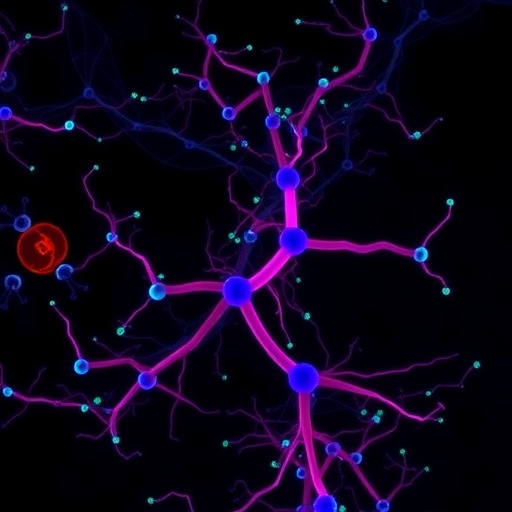
In a groundbreaking study published in Cell Death Discovery, researchers have unveiled the pivotal role of RCOR1 (REST corepressor 1) in driving myoblast differentiation and facilitating muscle regeneration. This discovery represents a significant leap forward in understanding the molecular mechanisms governing muscle repair and offers promising avenues for therapies targeting muscular dystrophies and age-related muscular degeneration.
Skeletal muscle regeneration is a complex and highly coordinated biological process that requires the activation, proliferation, and differentiation of satellite cells—muscle stem cells residing in a quiescent niche. These cells, upon injury or stress, become activated into myoblasts that proliferate and then differentiate to rebuild damaged muscle fibers. Despite decades of research, the transcriptional regulators that fine-tune this process, especially those that orchestrate the transition from proliferating myoblasts to differentiated myocytes, are not fully elucidated.
The study, led by Pauk, Wang, and Rummukainen, employed a combination of genetic, biochemical, and in vivo mouse models to dissect the role of RCOR1 in muscle biology. RCOR1, previously characterized as a transcriptional corepressor interacting with the REST complex, was shown to have a novel function extending beyond neuronal gene silencing—it actively promotes the terminal differentiation of myoblasts. This function positions RCOR1 as a critical molecular switch in muscle regeneration pathways.
Intriguingly, the researchers demonstrated that depletion of RCOR1 in cultured myoblasts resulted in impaired differentiation. These cells maintained a proliferative, undifferentiated state and failed to express key myogenic markers such as Myogenin and Myosin Heavy Chain (MyHC). This phenotype was further validated in vivo, where muscle injury models in RCOR1-deficient mice showed delayed and incomplete regeneration compared to control animals.
At the molecular level, RCOR1 appears to modulate chromatin architecture and transcriptional landscapes through interactions with histone deacetylases (HDACs) and other epigenetic modifiers. The study found that RCOR1 recruits HDAC complexes to key genomic loci, establishing a chromatin environment conducive to myogenic gene activation. This epigenetic remodeling precedes the upregulation of differentiation-promoting genes, underscoring the importance of RCOR1 as an epigenetic regulator in muscle tissue.
Moreover, RCOR1’s action is tightly linked with the activity of the master myogenic transcription factor MyoD. Evidence suggests that RCOR1 facilitates the stabilization and recruitment of MyoD to target genes, thereby amplifying the myogenic transcriptional program. This cooperative interaction between RCOR1 and MyoD suggests a feedback loop essential for robust myoblast differentiation.
The study also explored the therapeutic potential of targeting RCOR1 pathways in muscular dystrophy models. Encouragingly, enhancing RCOR1 function in dystrophic mice improved muscle architecture and function, indicating that modulating this corepressor’s activity could represent a novel therapeutic strategy for conditions characterized by inefficient muscle repair.
From a broader perspective, these findings highlight the multifaceted roles transcriptional corepressors can play beyond gene silencing. RCOR1’s dual capacity to repress certain genes while enabling the activation of others through chromatin remodeling redefines its position in cellular differentiation hierarchies. This study exemplifies how dynamic epigenetic regulators integrate signals to balance proliferation and differentiation—a fundamental aspect of tissue homeostasis and regeneration.
The discovery of RCOR1’s involvement in myogenesis raises exciting questions about its potential roles in other regenerative tissues. Given that RCOR1 is expressed in various stem and progenitor cell populations, future research might reveal similar regulatory mechanisms governing differentiation processes in neural, hematopoietic, or epithelial contexts.
Another fascinating avenue for investigation is the identification of upstream signals that modulate RCOR1 activity during muscle injury. Understanding how muscle stem cells sense damage and transmit signals that influence RCOR1 could unveil new targets for enhancing regenerative capacity. Additionally, the interplay between RCOR1 and other epigenetic regulators in the regeneration milieu remains an area ripe for exploration.
In the context of aging, where muscle regenerative capabilities decline due to satellite cell exhaustion and altered microenvironments, RCOR1 may hold the key to rejuvenating muscle repair mechanisms. If RCOR1 activity can be pharmacologically enhanced or mimicked, it might counteract sarcopenia—the progressive loss of muscle mass and strength in elderly populations.
The team’s integrative approach, combining transcriptomic profiling, chromatin immunoprecipitation sequencing (ChIP-seq), and in vivo genetic models, ensured a comprehensive understanding of RCOR1’s function. This holistic methodology sets a new standard for studying complex differentiation processes and underscores the utility of epigenomics in regenerative biology.
In summarizing their work, the authors emphasize the therapeutic implications of targeting RCOR1-dependent pathways. They propose that selective modulation of RCOR1 activity could potentiate stem cell-based regenerative therapies and improve outcomes for patients suffering from muscle-wasting diseases. This notion aligns with the broader trend in regenerative medicine to harness endogenous repair pathways for clinical benefit.
As muscle regeneration is critical not only for injury recovery but also for metabolic health and physical performance, the impact of this research extends far beyond basic biology. By illuminating a key molecular player, this study opens doors to devising interventions that restore muscle function, enhance regenerative potential, and ultimately improve quality of life.
Given the promising data, pharmaceutical research focusing on small molecules or biologics that influence RCOR1 activity is likely to accelerate. The development of such therapeutics could revolutionize the treatment landscape for muscular dystrophies, trauma-induced muscle loss, and age-related muscular decline.
In conclusion, the identification of RCOR1 as a promoter of myoblast differentiation and muscle regeneration enriches our understanding of muscle biology and highlights the intricate epigenetic control mechanisms governing tissue repair. This seminal work lays a strong foundation for future innovations in regenerative medicine and muscle therapeutics.
Cite Scienmag News
Ophelia Keating. (July 1, 2025). RCOR1 Drives Myoblast Differentiation and Muscle Repair. Scienmag. https://scienmag.com/rcor1-drives-myoblast-differentiation-and-muscle-repair/
Ophelia Keating. "RCOR1 Drives Myoblast Differentiation and Muscle Repair." Scienmag, 1 July 2025, https://scienmag.com/rcor1-drives-myoblast-differentiation-and-muscle-repair/. Accessed 4 September 2026.
Ophelia Keating. "RCOR1 Drives Myoblast Differentiation and Muscle Repair." Scienmag. July 1, 2025. https://scienmag.com/rcor1-drives-myoblast-differentiation-and-muscle-repair/


