


Recent studies have explored the intricacies of lung cancer, a leading cause of cancer-related mortality worldwide. Among the various subtypes, small-cell lung cancer (SCLC) stands out due to its aggressive nature. In a novel case study, researchers Wu, Fang, and Huang delved into the complexities of a patient diagnosed with both small-cell lung cancer and adenocarcinoma, a pairing that is exceedingly rare. This case enriches existing literature and emphasizes the need for heightened awareness and understanding of the potential for mixed histology in lung cancers.
The reported case involved a patient who initially presented with typical symptoms of lung cancer, including persistent cough, chest pain, and weight loss. Upon thorough examination, imaging studies revealed a significant mass in the lungs. The pathologists faced a diagnostic conundrum when biopsy samples exhibited cellular characteristics of both SCLC and adenocarcinoma. This dual malignancy called for advanced treatment strategies, emphasizing the growing complexity of cancer diagnoses in current clinical practice.
Traditionally, small-cell lung cancer and adenocarcinoma are treated as separate entities, each with distinct pathology and therapeutic approaches. SCLC is often sensitive to chemotherapy but notorious for its rapid progression and high mortality rate. Conversely, adenocarcinoma, a non-small cell lung cancer variant, tends to be more indolent and responds to different treatment modalities, particularly targeted therapies and immunotherapies. When these two cancer types co-exist, as demonstrated in this case, clinicians are faced with unique challenges in determining the most effective treatment approach.
This case highlights the importance of recognizing mixed histologies in lung cancer. Historically, the presence of two different cancer types within a single tumor has been largely overlooked, leading to implications that affect clinical outcomes. Accurate diagnosis, as pointed out by Wu and colleagues, is crucial; misclassification may lead to inappropriate treatment choices that could compromise patient survival rates. It also raises fascinating questions about tumor biology, particularly the mechanisms that allow for the development of such complex malignancies within a singular organ.
Further complicating the scenario is the recent understanding of the potential for genetic changes in tumors. There is ongoing research into targeted therapies that can simultaneously address the distinct pathways activated in SCLC and adenocarcinoma. For example, understanding the role of specific genetic mutations in the patient’s tumor could guide clinicians toward the most appropriate and effective therapies.
In addition to the clinical implications of this rare case, it emphasizes the need for comprehensive genomic profiling for lung cancer patients. As testing technology advances and becomes more accessible, healthcare providers should be increasingly vigilant for primary tumors with mixed histologies. The insights gathered from such genomic analyses can potentially aid in identifying novel therapeutic targets, thereby improving patient outcomes.
On an epidemiological front, the coexistence of small-cell lung cancer with adenocarcinoma could influence the overall prognosis of lung cancer patients. Wu and colleagues engaged in extensive literature reviews, finding scant reports of similar cases worldwide. The rarity of combined histologies suggests that more comprehensive population-level studies may be warranted, particularly to assess the incidence, treatment responses, and long-term outcomes for patients with this dual diagnosis.
Educational initiatives and updated clinical guidelines may also be necessary to address this emerging phenomenon in oncology. As clinicians, pathologists, and researchers become more aware of mixed histologies in lung cancer, new guidelines could be implemented to facilitate early diagnosis and the development of tailored treatment plans.
The implications of such mixed histologies extend beyond individual cases; they provoke a reassessment of how lung cancer is categorized and treated. Clearly, the realm of lung cancer is evolving, necessitating ongoing research to formulate more effective approaches tailored to this disease’s growing complexity. Initiatives to encourage multidisciplinary team discussions in complex cases may prove invaluable in addressing these evolving challenges.
As demonstrated in the case presented by Wu, Fang, and Huang, understanding the nuances of lung cancer presentations is crucial. Transferable insights gleaned from this rare condition could foster improved clinical practices and patient management strategies across oncology practices. The research community can benefit from more case studies and literature reviews, stimulating further investigations that could deem critical for advancing lung cancer diagnostics and treatment.
Wu and colleagues’ findings also underscore the importance of collaboration within the scientific community. By openly sharing data and case studies, researchers can consolidate the existing knowledge on rare cancer presentations, paving the way for breakthroughs in diagnostic techniques and treatment protocols. An open dialogue can encourage further contributions, ultimately enhancing patient care in oncology.
In concluding this exploration of the rare case of combined small-cell lung cancer and adenocarcinoma, it is essential to recognize the contributions of Wu, Fang, and Huang. Their work not only sheds light on a complex clinical scenario but also serves as a call to action for the greater oncology community. The implications of their findings resonate through the necessity for increased research, education, and awareness in an ever-evolving battle against lung cancer.
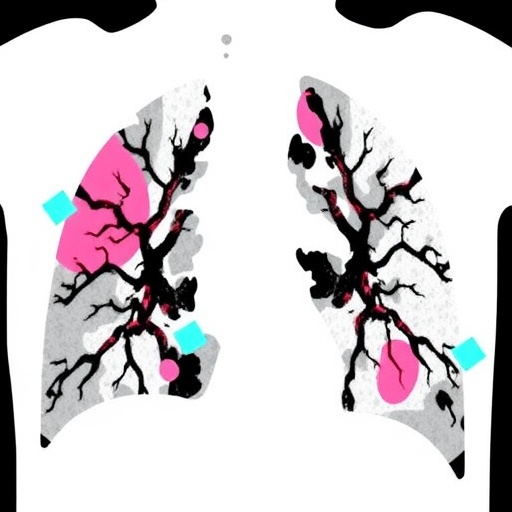
In light of findings and discussions from this case study, an image encapsulating the intricacy of lung cancer diagnoses accompanies the publication. Such visuals can resonate deeper with readers, fostering a better understanding of the disease’s complexity.
As the conversation surrounding cancer continues, case studies like these are pivotal. They not only inform current clinical practices but also inspire future explorations. By diligently documenting and analyzing intricate cases such as this one, the cancer research field can continue to advance, improving prognoses and survival rates for lung cancer patients worldwide.
Wu, X., Fang, K., Huang, W. et al. Combined small-cell lung cancer with adenocarcinoma: a rare case and literatures review. J Cancer Res Clin Oncol 151, 230 (2025). https://doi.org/10.1007/s00432-025-06283-x
Cite Scienmag News
Nathaniel Bowman. (August 26, 2025). Rare Case: Mixed Small-Cell and Adenocarcinoma Lung Cancer. Scienmag. https://scienmag.com/rare-case-mixed-small-cell-and-adenocarcinoma-lung-cancer/
Nathaniel Bowman. "Rare Case: Mixed Small-Cell and Adenocarcinoma Lung Cancer." Scienmag, 26 August 2025, https://scienmag.com/rare-case-mixed-small-cell-and-adenocarcinoma-lung-cancer/. Accessed 3 September 2026.
Nathaniel Bowman. "Rare Case: Mixed Small-Cell and Adenocarcinoma Lung Cancer." Scienmag. August 26, 2025. https://scienmag.com/rare-case-mixed-small-cell-and-adenocarcinoma-lung-cancer/


