


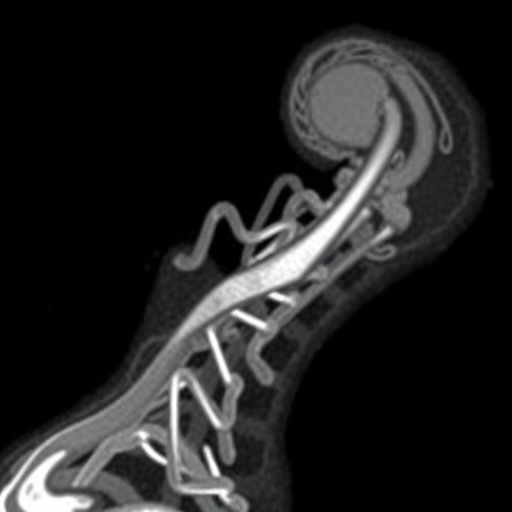
In a remarkable contribution to the realm of pediatric neurosurgery, researchers have unveiled a rare phenomenon known as the parietal intradiploic arachnoid diverticulum. This intriguing condition emerges as a delayed complication following an otherwise successful endoscopic third ventriculostomy (ETV), a procedure widely recognized for its effectiveness in treating obstructive hydrocephalus. The unfolding narrative surrounding this rare medical condition shines a light on the complexities involved in pediatric brain surgeries, which are often fraught with unexpected challenges and complications.
Endoscopic third ventriculostomy has revolutionized the treatment of hydrocephalus. By creating an opening in the floor of the third ventricle, this minimally invasive procedure allows cerebrospinal fluid (CSF) to bypass obstructions and re-enter the circulatory system. Though a commonly performed surgery, like any medical intervention, it does not come without risks. Among these is the potential for various complications that can manifest long after the initial surgical success, one of which is the parietal intradiploic arachnoid diverticulum.
The condition itself is characterized by an accumulation of CSF within the diploic space of the skull, specifically within the parietal bone. This diverticulum results from an abnormal connection between the subarachnoid space and the diploic space, allowing CSF to escape and collect. This diverticulum may present itself as a palpable mass or as headache symptoms, often leading to diagnostic dilemmas. Clinicians encountering such cases must maintain a high degree of suspicion, especially in pediatric patients who have undergone ETV.
Through careful imaging studies, particularly MRI, healthcare providers can identify the unique characteristics of intradiploic arachnoid diverticula. Such findings often present as hyperintense lesions on T2-weighted sequences. These imaging signatures are crucial in distinguishing between normal post-operative changes and pathological conditions necessitating intervention. As more cases are reported, the medical community can refine their understanding of this rare complication, aiding in earlier diagnosis and treatment.
Interestingly, the etiology of these diverticula remains a topic of heated debate among experts. Some propose that they may arise due to the mechanical stresses induced by surgical instrumentation, while others suggest they may form due to underlying inherent anatomical vulnerabilities. The interplay between surgical technique, patient anatomy, and post-operative healing is intricate, underscoring the necessity for continued research and discussion within the field.
Management strategies for parietal intradiploic arachnoid diverticulum vary depending on the severity of symptoms and the diverticulum’s characteristics. In asymptomatic patients, conservative management may be appropriate, involving careful monitoring and regular follow-ups. Alternatively, symptomatic patients may require more invasive interventions, such as surgical excision or endoscopic fenestration of the diverticulum. These options come with their own set of risks and benefits, warranting careful consideration and planning by the managing surgeon.
As we delve deeper into this condition, the importance of multidisciplinary approaches becomes paramount. Pediatric neurologists, neurosurgeons, radiologists, and primary care providers must collaborate closely to ensure affected children receive comprehensive care. Their collective expertise can enhance outcomes and optimize recovery pathways, ultimately leading to more favorable prognoses.
Moreover, the implications of these findings extend beyond the immediate clinical context. As awareness of the parietal intradiploic arachnoid diverticulum increases, it prompts further investigation into the long-term consequences of ETV. This complexity necessitates the establishment of registries to track outcomes and complications, which could shape future protocols and surgical standards.
From the patient’s perspective, the journey through diagnosis to treatment can be daunting. Feelings of uncertainty and anxiety are common as families grapple with rare conditions that divert from norm. For healthcare professionals, effectively communicating potential complications reinforces the necessity of informed consent and patient education. It is crucial for families to be apprised of not only the benefits of surgical intervention but also the nuances of potential complications that could arise.
As the dialogue surrounding parietal intradiploic arachnoid diverticula evolves, the pediatric community remains vigilant in identifying cases and improving management strategies. The efforts undertaken now will undoubtedly contribute to a more profound understanding of this peculiar phenomenon, guiding clinicians toward better outcomes and enhanced quality of life for their young patients.
In understanding this clinical narrative, we can anticipate the broader impact on surgical practices within the realm of pediatric neurosurgery. As surgeons refine their techniques and protocols based on emerging evidence, the hope is that occurrences of such complications can be minimized. Each reported case serves as a stepping stone toward improving the safety and success of procedures like ETV, ultimately benefitting children with hydrocephalus around the globe.
The ongoing exploration of rare complications like the intradiploic arachnoid diverticulum highlights the non-static nature of medicine. As new discoveries surface and knowledge expands, both practitioners and patients stand to gain from the increased awareness and understanding of such conditions.
In conclusion, the advent of the parietal intradiploic arachnoid diverticulum is a testament to the complexity inherent in neurosurgery, particularly in the pediatric population. As we continue to learn and adapt, it is paramount that we approach each case with a sense of curiosity and commitment to bettering our practices and improving patient outcomes. With further research and collaboration, there is potential to enhance the landscape of pediatric surgical care.
Bansal, L., Prasad, A. & Kaur, S. Parietal intradiploic arachnoid diverticulum: A rare delayed complication of endoscopic third ventriculostomy.
Pediatr Radiol (2025). https://doi.org/10.1007/s00247-025-06387-z
Cite Scienmag News
Nathaniel Bowman. (September 2, 2025). Rare Arachnoid Diverticulum: A Complication of ETV. Scienmag. https://scienmag.com/rare-arachnoid-diverticulum-a-complication-of-etv/
Nathaniel Bowman. "Rare Arachnoid Diverticulum: A Complication of ETV." Scienmag, 2 September 2025, https://scienmag.com/rare-arachnoid-diverticulum-a-complication-of-etv/. Accessed 4 September 2026.
Nathaniel Bowman. "Rare Arachnoid Diverticulum: A Complication of ETV." Scienmag. September 2, 2025. https://scienmag.com/rare-arachnoid-diverticulum-a-complication-of-etv/


