


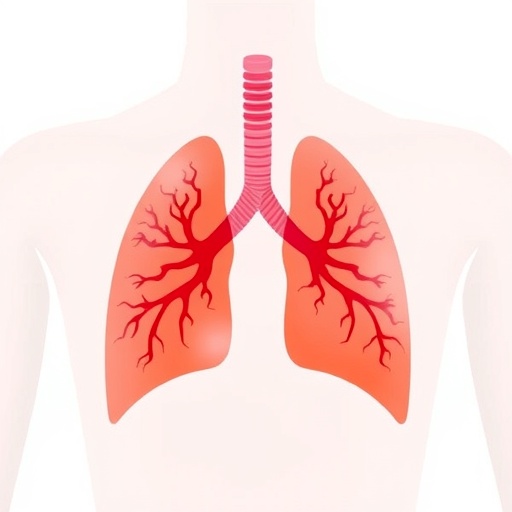
In a groundbreaking study poised to reshape neonatal care, researchers have unveiled compelling evidence linking pulmonary hypertension (PH), the use of inhaled nitric oxide (iNO), and the development of retinopathy of prematurity (ROP) using a comprehensive analysis of the U.S. national database. This investigation delves deep into the intricate interplay between respiratory and vascular complications in premature infants, shedding light on how common therapeutic interventions influence long-term outcomes in this vulnerable population.
Pulmonary hypertension, a condition marked by elevated pulmonary arterial pressures leading to right heart strain, is a known complication in preterm infants, often exacerbated by underdeveloped lungs and chronic oxygen deprivation. Inhaled nitric oxide, a selective pulmonary vasodilator, has been a cornerstone in treating neonatal PH due to its ability to improve oxygenation without inducing systemic hypotension. However, its impact on retinal vascular development and the potential risk for ROP—a disease characterized by abnormal vascular proliferation in the retina causing visual impairment—has remained a topic of significant debate and investigation.
Leveraging a vast dataset drawn from the U.S. national health repository, the investigators undertook a meticulous retrospective cohort study evaluating infants born prematurely who experienced PH and received iNO therapy. By correlating clinical variables with documented cases of ROP, they pursued a nuanced understanding of whether iNO administration mitigates or exacerbates retinal vascular pathology, and how the severity of pulmonary hypertension might modulate these outcomes.
The analysis incorporates advanced statistical methodologies, including multivariable regression models adjusted for confounding factors such as gestational age, birth weight, oxygen supplementation duration, and comorbidities. Such rigorous controls enable the extraction of independent associations between treatment modalities and ROP incidence, providing robust evidence that transcends prior smaller-scale studies plagued by limited sample sizes and inconsistent definitions.
Findings from this comprehensive evaluation reveal a complex relationship: infants with pulmonary hypertension who received inhaled nitric oxide demonstrated a statistically significant alteration in the risk profile for developing severe ROP. Notably, the timing, dosage, and duration of iNO exposure correlated with gradations in retinal disease severity, suggesting an intricate balance between therapeutic benefit to the pulmonary vasculature and potential systemic effects influencing retinal angiogenesis.
From a pathophysiological standpoint, the mechanisms underpinning these observations may involve the dualistic nature of nitric oxide as both a vasodilator and a modulator of vascular endothelial growth factor (VEGF) pathways critical for retinal vessel development. Excessive or dysregulated nitric oxide signaling might perturb normal angiogenic cues, thereby contributing to aberrant neovascularization hallmark of ROP. Conversely, appropriate iNO dosing could theoretically ameliorate hypoxia-induced vascular damage, underscoring the importance of optimizing therapy regimens.
The study’s extensive dataset further enabled stratification of ROP risk among various subpopulations, allowing insights into how genetic predispositions, prenatal exposures, and concurrent therapies interact with pulmonary and retinal outcomes. This multidimensional approach highlights the necessity for personalized medicine paradigms in NICU management, where one-size-fits-all treatments may inadvertently increase morbidity.
Importantly, these findings bear significant clinical implications. Neonatologists must weigh the pulmonary benefits of iNO against its potential retinal risks, advocating for vigilant ophthalmologic monitoring in preterm infants receiving this therapy. Moreover, the data advocate for revisiting clinical guidelines to incorporate risk stratification based on PH severity and iNO exposure parameters, possibly tailoring interventions to minimize adverse sequelae.
The study also catalyzes future research directions, emphasizing the need for prospective randomized trials to definitively ascertain causality and evaluate mechanistic hypotheses generated from these observational data. Furthermore, exploring alternative pulmonary vasodilators with more favorable safety profiles for retinal vasculature could revolutionize treatment algorithms and improve neurodevelopmental prognoses.
Integrating molecular biology insights with population-level data, this research exemplifies a paradigm shift in understanding the interconnectedness of organ systems in neonates. The retina, often viewed as an isolated vascular bed, is intricately linked with pulmonary physiology and systemic vasoregulatory mechanisms, a concept that demands interdisciplinary collaboration among neonatologists, pulmonologists, and ophthalmologists.
In conclusion, this study illuminates a critical nexus between pulmonary hypertension, inhaled nitric oxide therapy, and retinopathy of prematurity, underscoring the delicate therapeutic balance clinicians must navigate in caring for premature infants. By leveraging large-scale data and sophisticated analyses, the research paves the way for more nuanced, evidence-based approaches aimed at safeguarding both pulmonary function and visual outcomes in these fragile patients.
Cite Scienmag News
Denise Maddox. (August 9, 2025). Pulmonary Hypertension, Nitric Oxide, and Premature Retinopathy. Scienmag. https://scienmag.com/pulmonary-hypertension-nitric-oxide-and-premature-retinopathy/
Denise Maddox. "Pulmonary Hypertension, Nitric Oxide, and Premature Retinopathy." Scienmag, 9 August 2025, https://scienmag.com/pulmonary-hypertension-nitric-oxide-and-premature-retinopathy/. Accessed 7 September 2026.
Denise Maddox. "Pulmonary Hypertension, Nitric Oxide, and Premature Retinopathy." Scienmag. August 9, 2025. https://scienmag.com/pulmonary-hypertension-nitric-oxide-and-premature-retinopathy/


