


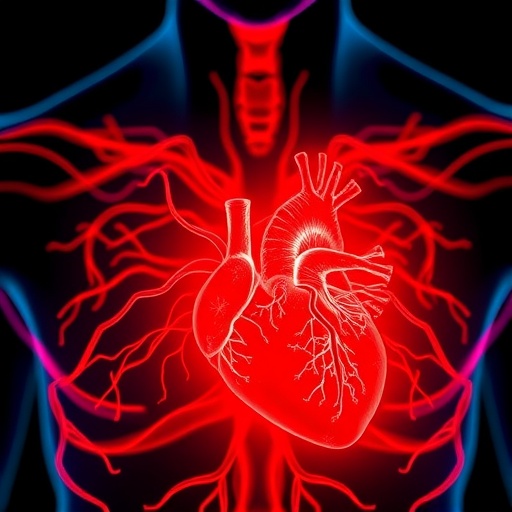
Heart attacks, or myocardial infarctions, are typically treated as acute physical emergencies focused on restoring blood flow and minimizing cardiac tissue damage. However, a burgeoning field of research is illuminating a less visible yet profoundly impactful aftermath: psychological distress. A recent comprehensive scientific statement from the American Heart Association (AHA), published in their prestigious journal Circulation, reveals that up to half of heart attack survivors grapple with significant psychological challenges — including depression, anxiety, psychosocial stress, and post-traumatic stress disorder (PTSD). These conditions not only affect survivors’ emotional well-being but also carry substantial implications for their long-term physical recovery and cardiovascular health.
The intersection of psychological health and cardiac outcomes represents a complex biobehavioral landscape. Emerging evidence suggests that persistent psychological distress following a heart attack is linked to an elevated risk of subsequent cardiac events, with those experiencing ongoing symptoms for up to a year facing nearly 1.5 times greater likelihood of further complications. While a direct causal link remains under rigorous investigation, these associations underscore the critical role emotional health plays in cardiac rehabilitation and prognosis.
Historically, cardiovascular care has centered on managing traditional risk factors such as hypertension, high cholesterol, smoking, and diabetes. The new statement boldly advocates recognizing post-myocardial infarction depression as a bona fide cardiac risk factor, akin to these established contributors. Given that depression post-heart attack affects approximately one in three survivors annually—significantly more prevalent than the general adult population—the need for integrated mental health assessment in cardiac care paradigms is urgent.
Delving into the biological underpinnings reveals multifaceted pathways connecting myocardial injury to psychological distress. The heart’s response to ischemic insult triggers systemic inflammation, which instigates neurohormonal alterations and dysregulation of brain chemistry. These physiological shifts can precipitate mood disorders, anxiety, and trauma-related symptoms. Acute psychological stress further exacerbates cardiac vulnerability by promoting coronary vasoconstriction, impairing myocardial blood flow, and inducing arrhythmogenic disturbances even in previously stable patients. This dynamic interplay suggests a bidirectional feedback loop wherein heart pathology influences brain function, while psychological distress amplifies cardiac risk.
Moreover, chronic stress activates the sympathetic nervous system’s fight-or-flight response, escalating blood pressure and propelling vascular inflammation—key mechanisms fostering endothelial dysfunction and atherosclerosis progression. Some studies have quantified this effect, noting that as many as 70% of individuals with heart disease exhibit diminished coronary perfusion under psychological stress, directly linking mental states with coronary physiology.
Beyond pathophysiological mechanisms, psychological distress actively undermines behavior essential to recovery. Depression and anxiety contribute to sleep disturbances, sedentary lifestyles, unhealthy dietary choices, and tobacco use—behaviors unequivocally tied to adverse cardiac outcomes. Patients overwhelmed by emotional turmoil may disengage socially, forgo medication adherence, and avoid cardiac rehabilitation programs, thereby jeopardizing both recovery and survival.
Despite the weight of evidence, routine screening for psychological distress in post-heart attack patients is not uniformly implemented. The AHA emphasizes that even in the absence of formal assessment tools, clinicians should remain vigilant to signs of deteriorating mental health. Validating patients’ emotional experiences and providing empathetic support can catalyze referrals to specialized mental health services, enhancing both psychological and cardiac outcomes.
Currently, evidence-based interventions include cognitive behavioral therapy (CBT), pharmacotherapy primarily using selective serotonin reuptake inhibitors (SSRIs), mindfulness-based stress reduction, and lifestyle modifications such as structured exercise and sleep hygiene. SSRIs have demonstrated safety and efficacy in treating depression within cardiac populations, a crucial consideration given prior concerns about medication cardiotoxicity. Complementarily, cardiac rehabilitation—a multidisciplinary program integrating physical training with psychosocial education—achieves significant reductions in anxiety, depression, and stress, translating into better cardiovascular prognoses.
Nonetheless, cardiac rehab remains underutilized, with participation rates languishing below 20% among eligible patients, largely due to transportation obstacles, scheduling conflicts, and limited availability in resource-constrained settings. Addressing these systemic barriers is essential to fully harness rehabilitation’s psychological and physical benefits.
The statement also highlights the importance of mind-body approaches such as yoga and meditation, which show promise in ameliorating emotional distress, though their direct effects on long-term cardiac event reduction remain under exploration. Importantly, the AHA calls for intensified research efforts to delineate the causal pathways linking psychological interventions to cardiovascular outcomes, aiming to refine guidelines and optimize integrated care.
A poignant survivor narrative underscores the human face behind the data. Erika Livingston, whose heart attack at 41 defied her prior healthy lifestyle, recounts battling intense anxiety and fear long after her physical recovery. Her story embodies the pervasive yet often silent challenge of “cardiac anxiety” and the transformative potential of timely mental health care combined with physical rehabilitation.
In an era where precision medicine expands beyond genomic profiles into psychosocial realms, this scientific statement paves the way for a holistic approach to cardiac care. Recognizing and addressing psychological distress is no longer ancillary but fundamental, promising not only improved quality of life but potentially enhanced cardiovascular survival. As healthcare systems evolve, embedding mental health assessment and tailored interventions into post-heart attack protocols must become standard practice, ensuring survivors do not face this journey alone—mentally or physically.
News Publication Date: September 22, 2025
Web References:
Cite Scienmag News
Glenn Wilkins. (September 22, 2025). Psychological Distress Following Heart Attacks Linked to Increased Risk of Future Cardiac Conditions. Scienmag. https://scienmag.com/psychological-distress-following-heart-attacks-linked-to-increased-risk-of-future-cardiac-conditions/
Glenn Wilkins. "Psychological Distress Following Heart Attacks Linked to Increased Risk of Future Cardiac Conditions." Scienmag, 22 September 2025, https://scienmag.com/psychological-distress-following-heart-attacks-linked-to-increased-risk-of-future-cardiac-conditions/. Accessed 4 September 2026.
Glenn Wilkins. "Psychological Distress Following Heart Attacks Linked to Increased Risk of Future Cardiac Conditions." Scienmag. September 22, 2025. https://scienmag.com/psychological-distress-following-heart-attacks-linked-to-increased-risk-of-future-cardiac-conditions/


