


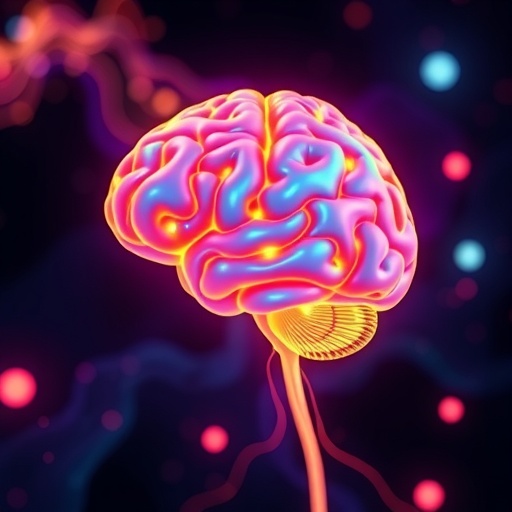
In recent years, the resurgence of interest in psychedelics and their potential therapeutic applications has culminated in a significant breakthrough in the treatment of depressive disorders. The field has advanced beyond anecdotal evidence towards a comprehensive understanding of the biological underpinnings that govern the antidepressant efficacy of psychedelics and ketamine/esketamine. A groundbreaking study published in Translational Psychiatry by d’Andrea, Chiappini, Ciavoni, and colleagues presents an integrative synthesis of these compounds’ mechanisms of action, pairing molecular neuroscience with cutting-edge neuroimaging and clinical insights to chart a new course for treating one of the most debilitating mental illnesses worldwide.
Depressive disorders account for a substantial global burden of disease, often resistant to conventional pharmacotherapies that primarily target monoaminergic systems. This clinical challenge has propelled researchers to reconsider compounds long marginalized by restrictive drug policies. Psychedelics such as psilocybin and LSD, alongside dissociative anesthetics like ketamine and its enantiomer esketamine, have garnered attention because of their rapid and sustained antidepressant effects after only one or a few administrations. The study elucidates how these agents diverge from traditional antidepressants by engaging distinct neurobiological pathways that promote neuroplasticity and circuit reconfiguration.
At the cellular level, psychedelics exert their effects predominantly through agonism of the serotonin 2A receptor (5-HT2AR), which is richly expressed in the cortex. Activation of this receptor initiates a cascade of intracellular events leading to the upregulation of brain-derived neurotrophic factor (BDNF) and the mammalian target of rapamycin (mTOR) signaling pathways. These molecular responses foster synaptogenesis—a crucial process for rewiring maladaptive neural networks implicated in depression. Importantly, the temporal dynamics of these changes challenge the traditional view of antidepressant action, with synaptic remodeling occurring much more rapidly than seen with selective serotonin reuptake inhibitors (SSRIs).
Ketamine and esketamine, meanwhile, operate through a different mechanism involving noncompetitive antagonism of the N-methyl-D-aspartate receptor (NMDAR). This blockade leads to a paradoxical increase in glutamate release and subsequent stimulation of alpha-amino-3-hydroxy-5-methyl-4-isoxazolepropionic acid receptors (AMPARs), culminating in downstream mTOR activation and enhanced synaptic connectivity. The research further highlights esketamine’s unique pharmacokinetic profile, conferring a more favorable side effect spectrum and making it more amenable to clinical use in treatment-resistant depression.
Neuroimaging modalities including functional MRI (fMRI) and positron emission tomography (PET) have been instrumental in mapping the real-time impact of psychedelics and ketamine on brain function. The article reveals that these agents normalize aberrant activity within the default mode network (DMN), a collection of interconnected brain regions that become hyperactive during depressive rumination. Reductions in DMN activity correspond with clinical improvements, underscoring an essential mechanism by which these treatments alleviate symptoms. Moreover, enhanced connectivity between prefrontal and limbic regions reflects a restoration of top-down regulatory control over emotional processing circuits.
The authors place particular emphasis on the neuroplastic effects as a central theme that integrates molecular, network-level, and behavioral changes. Enhanced plasticity allows the brain to escape entrenched pathological states and adopt healthier patterns of information processing. This conceptual advancement shifts the therapeutic focus from merely correcting neurotransmitter imbalances to actively promoting brain remodeling. Unique to psychedelics is their ability to produce a subjective “mystical experience,” which correlates with long-term remission, suggesting that psychological effects and biological mechanisms are deeply intertwined in the healing process.
Clinically, the study provides a thorough overview of randomized controlled trials and open-label studies indicating rapid onset of antidepressant effects, often within hours or days after administration—dramatically faster than standard antidepressants. The durability of responses is particularly noteworthy, with some patients maintaining remission for weeks or months following a limited number of doses. This challenges current treatment paradigms and suggests a potential shift towards episodic rather than continuous pharmacotherapy.
Safety and tolerability are also reviewed extensively. While psychedelics carry a historical stigma due to their psychoactive properties, contemporary clinical protocols emphasize controlled settings with professional supervision, thereby minimizing risks. Ketamine and esketamine’s side effect profiles, such as dissociation and transient increases in blood pressure, are documented alongside mitigation strategies. The authors advocate for rigorous screening and monitoring to ensure patient safety.
The integration of neuroimaging biomarkers with clinical outcomes offers a promising avenue for personalizing treatment. By identifying individuals who exhibit neurobiological signatures predictive of positive response, clinicians could tailor interventions more effectively. The review underscores the need for further research into candidate biomarkers such as 5-HT2AR density, mTOR pathway activation markers, and functional connectivity patterns to optimize therapeutic efficacy.
Importantly, the article addresses the ethical and regulatory dimensions of incorporating psychedelics and ketamine/esketamine into mainstream psychiatric practice. It calls for an evidence-based framework that balances rapid clinical innovation with appropriate patient protections, urging policymakers to consider their reclassification for medical use. The authors advocate for multidisciplinary collaboration among neuroscientists, clinicians, and ethicists to navigate the complexities of implementation.
The translational implications of this research are profound. By elucidating the convergent molecular pathways and neurocircuitry changes underpinning the antidepressant effects of these compounds, the study paves the way for the development of next-generation therapeutics. These could include novel agents that retain the rapid plasticity-enhancing benefits without the psychoactive properties or adverse effects, representing a new frontier in psychopharmacology.
In conclusion, this comprehensive synthesis reframes psychedelics and ketamine/esketamine not simply as alternatives to conventional antidepressants but as powerful agents capable of fundamentally altering the neural substrates of depression. Their ability to induce rapid and durable remission, combined with mechanistic insights derived from advanced neuroimaging and molecular biology, marks a paradigm shift in the understanding and treatment of depressive disorders. As research progresses, these findings hold promise for transforming clinical practice and offering renewed hope to millions affected by this pervasive condition.
Cite Scienmag News
Glenn Wilkins. (November 1, 2025). Psychedelics and Ketamine in Depression: Brain Insights. Scienmag. https://scienmag.com/psychedelics-and-ketamine-in-depression-brain-insights/
Glenn Wilkins. "Psychedelics and Ketamine in Depression: Brain Insights." Scienmag, 1 November 2025, https://scienmag.com/psychedelics-and-ketamine-in-depression-brain-insights/. Accessed 8 September 2026.
Glenn Wilkins. "Psychedelics and Ketamine in Depression: Brain Insights." Scienmag. November 1, 2025. https://scienmag.com/psychedelics-and-ketamine-in-depression-brain-insights/


