


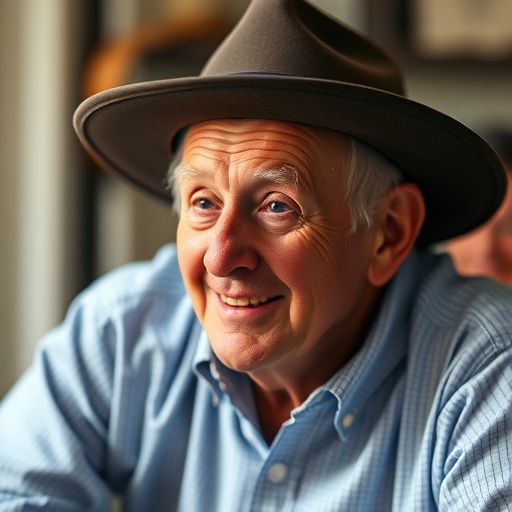
In a profound exploration of the psychological landscape of prostate cancer survivors, a recent study delves into the unique intersection of advanced age and cancer survivorship. The study, led by researchers Jahnen, Bierwirth, and Meissner, focuses on individuals over the age of 75 who have undergone radical prostatectomy, offering a deep dive into how cancer affects their identity and overall well-being. This area of study is not only vital for understanding the aging population but also crucial for developing tailored support mechanisms that address their specific needs.
The research focuses on a demographic often overlooked in cancer studies: older men who have successfully survived prostate cancer. The most common cancer among men, prostate cancer poses significant emotional and psychological challenges, particularly in the golden years when individuals are already navigating other aspects of aging. The researchers highlight that these men may face a dual struggle—dealing with the ramifications of cancer while also grappling with the effects of aging.
Survivors of prostate cancer often find themselves at a crossroads of identity. The radical prostatectomy, while a potentially life-saving surgery, alters not only physical health but also self-perception. The study reveals that many men experience profound changes in their sense of masculinity and identity post-surgery. The loss of prostate and its associated functions can leave enduring scars on their psyche, leading to feelings of vulnerability and loss. The researchers argue that mental health considerations are paramount in the survivorship care plan, emphasizing the need for psychological assessments and interventions tailored for older survivors.
Furthermore, the emotional journey of these individuals does not exist in isolation. The study underscores the importance of social support networks for older cancer survivors. This demographic often relies heavily on family members and friends, making familial engagement a vital component in the recovery process. The researchers found that strong family ties can significantly mitigate feelings of isolation and anxiety that many older survivors experience. There is a compelling call for healthcare systems to develop programs that not only treat the body but also nurture the emotional aspects of survivorship.
The study also addresses the aspect of resilience among older adults facing cancer. Many of the participants exhibited surprising strengths, adapting to their new realities with courage and perseverance. Through interviews and qualitative assessments, the researchers unearthed stories of transformation, where individuals reframed their experiences and found new meaning in life post-diagnosis. This resilience is not only a personal journey but can also serve as a beacon for other seniors navigating similar struggles.
In their findings, the researchers propose a multifaceted approach to survivorship care. They advocate for integrative health strategies that combine traditional medical treatments with psychological well-being initiatives. This holistic view acknowledges that cancer recovery extends beyond the physical realm and emphasizes the social, emotional, and psychological dimensions of health. By doing so, healthcare providers can improve the quality of life for older survivors, offering them a more personalized and compassionate care experience.
Enhanced communication between healthcare providers and older cancer patients is another crucial aspect highlighted by the research. Effective dialogues about the potential impacts of treatment and the adjustments that may follow are essential for preparing individuals for life after cancer. The researchers suggest that healthcare professionals should be trained to discuss sensitive topics, such as identity and sexual health, openly with their elderly patients, fostering an environment of trust and openness.
Another significant finding from the study is the variability of experiences among older survivors. Each individual navigates their path to recovery uniquely, shaped by personal background, support systems, and psychological resilience. This individuality underscores the need for personalized care plans that recognize and accommodate the diverse experiences of men who have survived prostate cancer. Tailoring interventions to fit the specific circumstances of each survivor can enhance their treatment experience and promote better health outcomes.
The impact of technology on the lives of older cancer survivors is an additional point of analysis in the study. While some men feel disconnected from modern technology, others find solace and community through online platforms. The researchers point out that leveraging technology could be instrumental in providing education, support, and resources to older survivors, particularly those who face geographical barriers to in-person care. Creating virtual support groups could bridge the gap for many men who seek connection and understanding from their peers.
Research like this is vital, as it brings to light the nuanced and often complicated realities faced by older cancer survivors. As the population of older adults continues to grow, it becomes increasingly important to address their unique health concerns. The collective insights from this study serve not only to inform healthcare policies but also to inspire further investigations into the long-term effects of cancer survivorship among aging populations.
As society progresses toward a more inclusive understanding of health, it is essential to remember that survivorship is not just about living cancer-free. It encompasses a broader spectrum of experiences that affect an individual’s quality of life in profound ways. The conversations sparked by this research will hopefully encourage both the medical community and society at large to recognize and prioritize the psychological aspects of surviving cancer, especially in the elderly.
In conclusion, the study provides a crucial stepping stone toward a more comprehensive understanding of prostate cancer survivorship in advanced old age. It calls for an ongoing dialogue to break the stigma surrounding cancer, masculinity, and aging, paving the way for improved health services that prioritize the emotional and psychological well-being of older survivors. The integration of these insights into regular clinical practice could lead to more favorable outcomes, ensuring that older adults not only survive cancer but thrive in their post-treatment lives.
Jahnen, M., Bierwirth, C., Meissner, V.H. et al. Cancer-related identity and advanced old age – analysis of prostate cancer survivors after radical prostatectomy over the age of 75.
BMC Geriatr 25, 759 (2025). https://doi.org/10.1186/s12877-025-06477-5
Cite Scienmag News
Nathaniel Bowman. (October 7, 2025). Prostate Cancer Survivors Over 75: Identity Insights. Scienmag. https://scienmag.com/prostate-cancer-survivors-over-75-identity-insights/
Nathaniel Bowman. "Prostate Cancer Survivors Over 75: Identity Insights." Scienmag, 7 October 2025, https://scienmag.com/prostate-cancer-survivors-over-75-identity-insights/. Accessed 4 September 2026.
Nathaniel Bowman. "Prostate Cancer Survivors Over 75: Identity Insights." Scienmag. October 7, 2025. https://scienmag.com/prostate-cancer-survivors-over-75-identity-insights/


